Federal Judge Denies Request to Block ICE Surge in Minnesota
Feb 1, 2026
 United States
Politics, Immigration
United States
Politics, Immigration
United States
Politics, Immigration
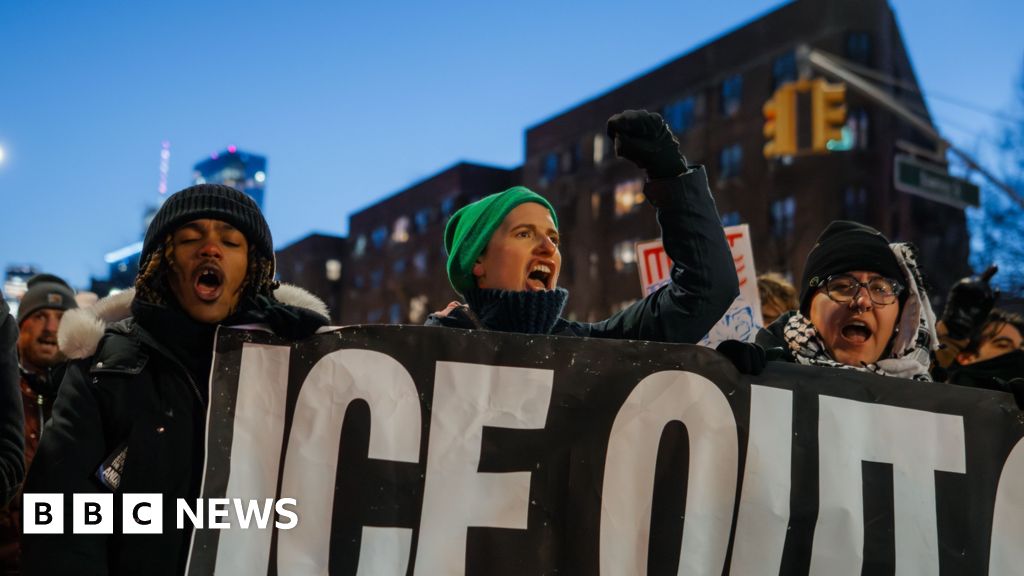
Federal judge denies request to block ICE surge in Minnesota, as protests continue nationwide following fatal shootings by federal immigration agents.
ICE Surge Sparks Protests Across the US
A federal judge has ruled against a state request to halt ICE's deployment in Minnesota, as nationwide protests continue following fatal shootings by immigration agents. Minneapolis is expected to see large gatherings this weekend, joining other cities like New York and Chicago in demonstrating against the surge.
Key Points:
1. Federal Judge Denies Block Request: District Court Judge Katherine Menendez ruled that ICE operations, while causing significant harm, were not proven to be unlawful.
2. Protests Intensify: Demonstrations are planned in Minneapolis and other cities, with organizers urging people to stay home and avoid work/school this week to show solidarity against ICE actions.
The Trump administration has defended the ICE surge, stating it is focused on arresting 'the worst of the worst' illegal aliens. However, critics argue the operation is targeting non-criminals and US citizens, leading to public outcry and calls for federal agents to withdraw from Minneapolis.
Border Tsar Tom Homan suggested that federal forces could be reduced if local officials cooperate, but maintained that the mission remains unchanged. The deployment, known as Operation Metro Surge, has been contentious, with Minnesota Governor Tim Walz and Minneapolis Mayor Jacob Frey calling for ICE agents to leave the area.
Two fatal shootings by ICE agents in Minnesota since January 7 have prompted these actions, with a civil rights investigation into one of the deaths recently opened by the Justice Department. Protesters have taken to the streets, forming an 'SOS' on a frozen lake and marching through Minneapolis, while Bruce Springsteen performed a new song honoring the victims at a benefit concert.
Organizers of the National Shutdown campaign are urging people to avoid shopping, work, and school this week to send a message against ICE funding and operations. The movement is part of broader opposition to federal immigration enforcement practices, which have been criticized for racial profiling and excessive use of force.
By news
6 months ago