Bomb cyclone brings bitter cold and snow to the Southeast US
Feb 2, 2026
 United States
Weather
United States
Weather
United States
Weather
A powerful winter weather system, including an intense low-pressure 'bomb cyclone' along the East Coast, is affecting a large swath of the country and driving e
Bomb Cyclone Brings Bitter Cold and Snow to the Southeast US
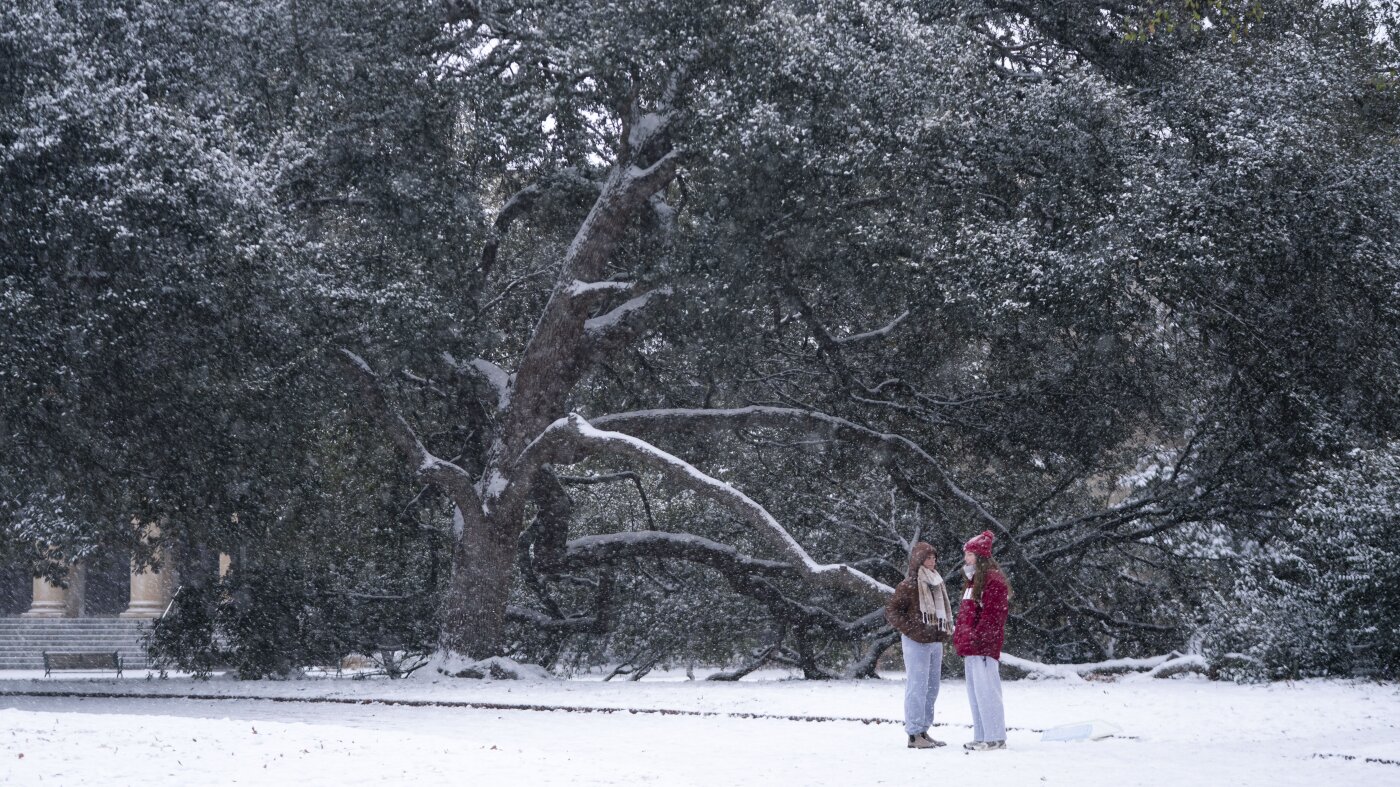
A powerful winter weather system, including an intense low-pressure 'bomb cyclone' along the East Coast, is affecting a large swath of the country and driving extremely cold air deep into the Southeast US.
Temperatures in southern Florida fell into the 20s on Sunday morning — it's the coldest it's been since 1989, according to the National Weather Service. A statement on the agency's website warned of freezing temperatures and 'bitterly cold air' surging down the Florida Peninsula.
Despite the cold, some Floridians continued their outdoor activities. David Nolan, an atmospheric scientist at the University of Miami, noted that people were still biking, golfing, and running despite the chill. He also reflected on how colder winters used to be more common in the region before climate change made them rarer.
The bomb cyclone also led to snowfall in Charlotte, N.C., with some parts seeing a foot or more of snow over the weekend. This amount of snow is more than what Charlotte typically accumulates in an entire season. The storm caused significant flight cancellations and delays at Charlotte Douglas International Airport, with over 840 flights canceled and at least 195 delayed as of Sunday afternoon.
North Carolina Gov. Josh Stein urged residents to stay inside, citing the dangerous conditions on roads. He reported more than 1,000 traffic accidents and two deaths due to the storm. The governor declared a state of emergency last week, advising people to allow road crews and law enforcement to focus on their essential tasks.
The storm moved into the region after much of the northern and central East Coast experienced snow, ice, and coastal flooding over the past week. This weather system caused dozens of deaths and hundreds of thousands of power outages across affected areas. Tens of thousands of people have been without electricity for a week in Mississippi and Tennessee.
Additionally, cold-stunned iguanas were falling from trees in Miami Beach, Fla., causing potential hazards for pedestrians and motorists. The Florida Fish and Wildlife Conservation Commission issued an executive order allowing people to remove live, cold-stunned iguanas from the wild and turn them in at specific locations.
By news
6 months ago