Pakistan Boycotts India T20 World Cup Match: A Political Move
Feb 2, 2026
 Pakistan
Sports
Pakistan
Sports
Pakistan
Sports
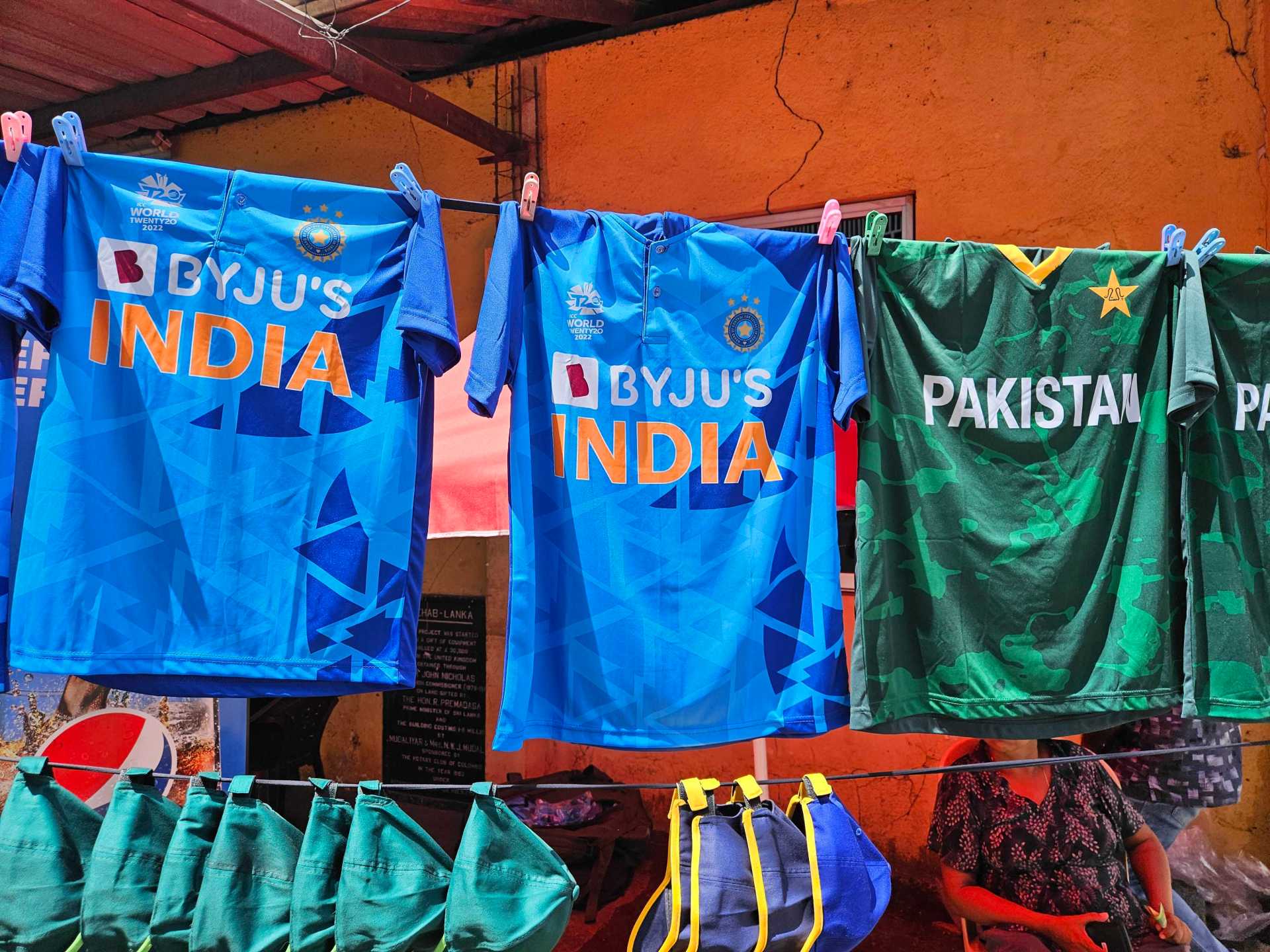
Pakistan's boycott of its T20 World Cup match against India is a political move that has drawn criticism from experts and calls for ICC mediation.
Pakistan Boycotts India T20 World Cup Match
Pakistan’s decision to skip its highly anticipated match against India at the T20 World Cup has sparked significant controversy. The move, made just days before the event begins, is seen as a political gesture that could have far-reaching implications for international cricket relations.
The Background
Pakistan and India share a long history of political tensions, dating back to their partition in 1947. This historical conflict has seeped into their sporting interactions, leading to occasional boycotts and frosty relationships. The T20 World Cup, a prestigious event for both nations, is usually a highlight of their cricketing calendars.
Reaction from Experts
Many have criticized Pakistan’s decision as a form of selective participation that could harm the global cricket community. The International Cricket Council (ICC) has also weighed in, urging Pakistan to reconsider its stance. Meanwhile, former cricketers and politicians have called for the ICC to act as a mediator, emphasizing the importance of resolving conflicts through sportsmanship.
Impact on the Tournament
The match between Pakistan and India is one of the most-watched events in the tournament. Skipping this game could have serious consequences for Pakistan’s standing in the group stage and potentially affect their progress in the competition. Additionally, the decision has raised concerns about revenue loss and the potential for further politicization of cricket.
Next Steps
Pakistan is scheduled to play their other Group A matches against the Netherlands and Namibia, with their campaign starting on February 7. The ICC and cricket boards from both nations will need to work closely together to address the ongoing tensions and ensure the tournament proceeds smoothly.
By news
6 months ago
No cameras found for this country.