Vietnam Warns Against Potential U.S. Invasion in Internal Document
Feb 3, 2026
 Vietnam
International Relations, Military, Vietnam, United States
Vietnam
International Relations, Military, Vietnam, United States
Vietnam
International Relations, Military, Vietnam, United States
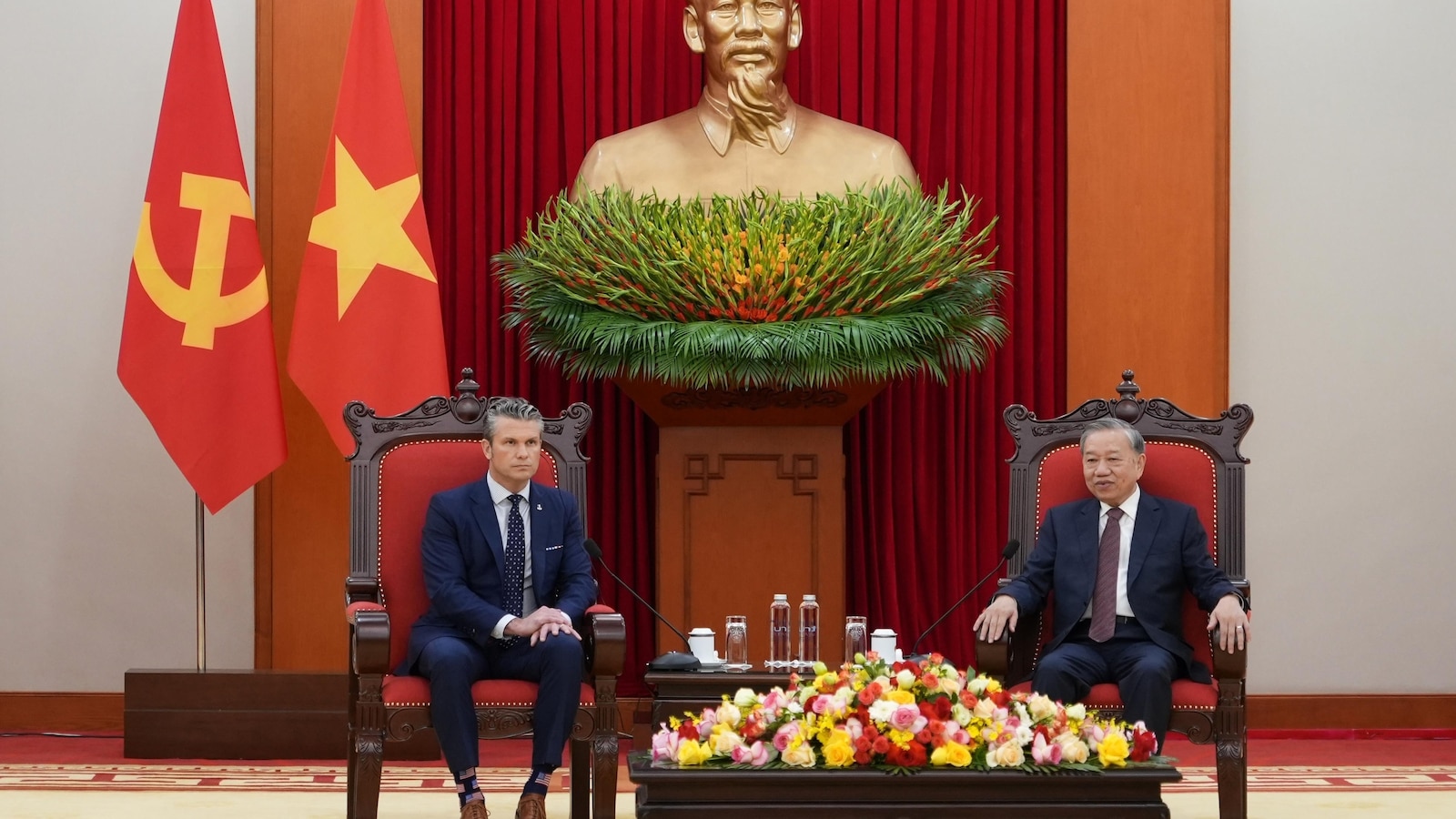
Vietnamese military documents reveal internal concerns about a potential U.S. invasion, highlighting Hanoi's cautious approach towards Washington despite elevat
Vietnam Warns Against Potential U.S. Invasion
The Vietnamese military has taken steps to prepare for a possible American 'war of aggression,' as revealed in an internal document. The report, titled 'The 2nd U.S. Invasion Plan,' outlines Vietnam's fears of U.S. belligerency and concerns about Washington's intentions to impose its values on the country. Despite elevated diplomatic relations with the U.S., Hanoi remains cautious, viewing the U.S. as an existential threat due to historical conflicts and worries about color revolutions.
The document highlights Vietnam's strategic balancing act between its economic ties with the U.S. and its military alliance with China. While the U.S. sees Vietnam as a 'partner' for regional stability, Hanoi fears that Washington could exploit situations in neighboring countries like Cuba to justify an invasion. The report also mentions cuts to U.S.-funded projects, such as decontamination efforts from Agent Orange, which have further strained relations.
Vietnam's military planners emphasize the need for vigilance against potential U.S. actions and are preparing contingency plans to counter unconventional warfare tactics. The country's leaders, including General Secretary Nguyen Khac Giang, stress the importance of maintaining a strong national defense while balancing diplomatic and economic ties with the U.S.
Zachary Abuza, an expert on Vietnamese military affairs, notes that Vietnam's concern over color revolutions is well-founded given its recent history and current political tensions. The country's leaders appear determined to protect their socialist governance from external influences, even as they seek to strengthen economic partnerships with the U.S.
Overall, the document underscores Vietnam's complex relationship with the U.S., balancing historical animosities with contemporary diplomatic and economic needs. The Vietnamese military's cautious approach reflects a deep-seated mistrust of U.S. intentions and a commitment to maintaining national sovereignty in the face of potential external threats.
By news
6 months ago
No cameras found for this country.