Iraq’s Shia bloc divided over al-Maliki’s PM candidacy as US threatens to cut aid
Feb 6, 2026
 Iraq
Politics
Iraq
Politics
Iraq
Politics
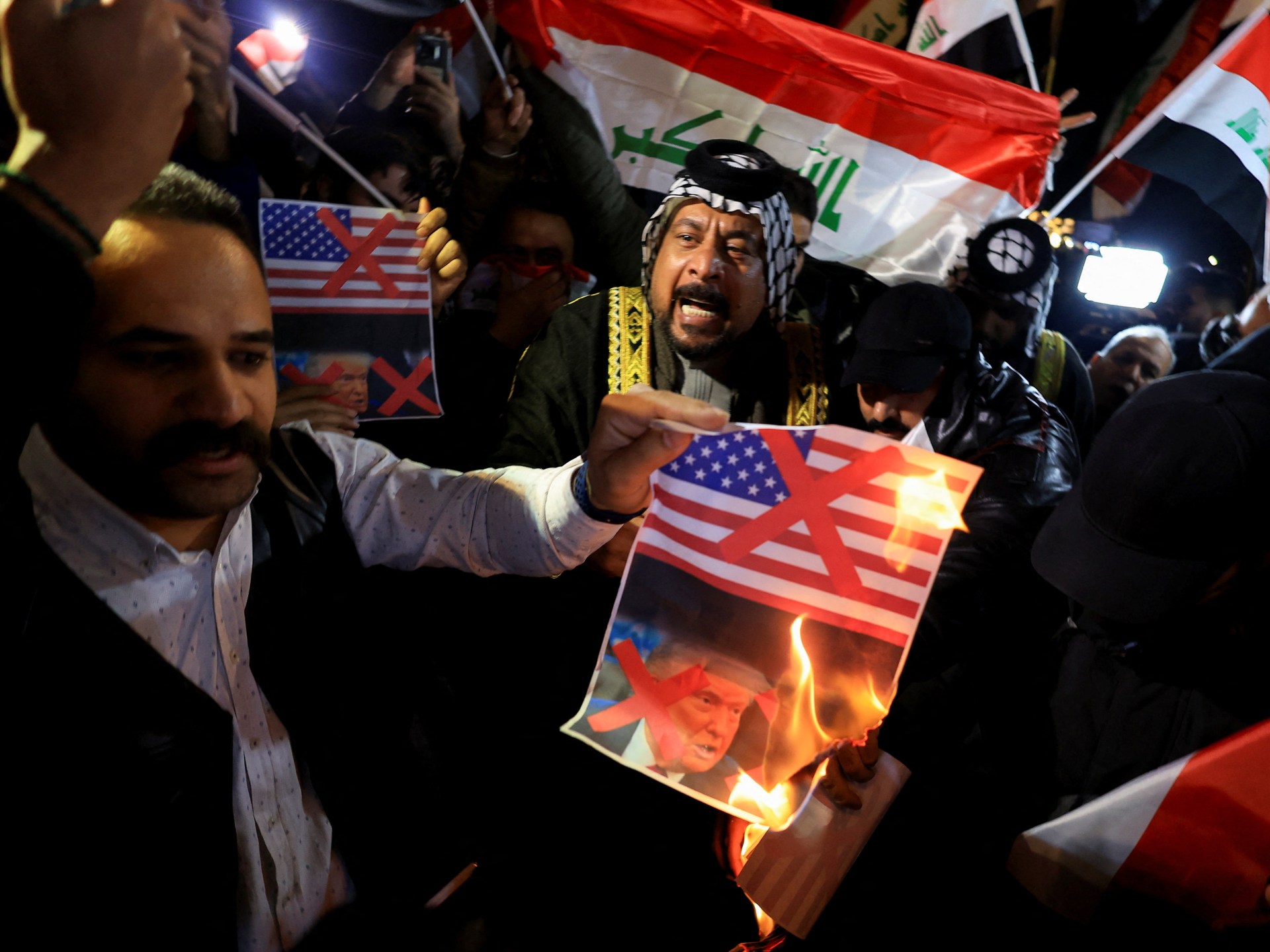
Iraq’s Shia bloc is divided over supporting Nouri al-Maliki as PM amidst US threats to cut aid. The Coordination Framework faces internal opposition and struggl
Iraq’s Shia Bloc Divided Over Al-Maliki’s PM Candidacy
Baghdad – The Coordination Framework (CF), Iraq’s largest Shia political coalition, is at odds over whether to back Nouri al-Maliki for prime minister despite warnings from the United States. The US has threatened to cut off aid if al-Maliki returns to the role he held between 2006 and 2014.
While a majority of CF leaders are steadfast in their support, influential figures within the bloc, including Qais al-Khazali and Ammar al-Hakim, have expressed reservations. They fear that al-Maliki’s premiership could lead to economic repercussions and undermine Iraq’s relations with the US.
The CF, established in 2021, represents the largest Shia bloc in parliament. The loose nature of its coalition means opinions vary, with some willing to bend to Trump’s will and others determined to push forward al-Maliki’s candidacy.
Efforts by the CF to broker a consensus among Kurdish factions have not yet succeeded. Without an agreement on the presidential candidate, the process of designating a prime minister cannot proceed. Additionally, anti-al-Maliki groups within the CF could gather enough seats to block his nomination.
Current Prime Minister Mohammed Shia al-Sudani, whose party received the most votes in the elections but did not receive the CF nomination despite being part of it, is officially supportive of al-Maliki’s nomination. However, he has not ruled out continuing as prime minister himself.
The US may still have significant economic leverage over Iraq, as its oil revenue flows through US banks. Trump may decide not to renew an executive order protecting these funds, which could disrupt Iraq’s economy. The CF is attempting to persuade the US administration to change its stance on al-Maliki’s candidacy.
Under the Iraqi Constitution, parliament must first elect a president, who then nominates the prime minister. The prime minister must be a Shia, the president a Kurd, and the parliamentary speaker a Sunni. The Kurdish factions have yet to agree on a presidential candidate, complicating the process. If the Kurds reach an agreement and do not stand in al-Maliki’s way, the CF would still need to persuade several anti-al-Maliki groups within the bloc.
Collectively, these groups could gather enough seats to prevent a quorum at the presidential election session, potentially blocking al-Maliki’s nomination. To avoid this scenario, the CF may have to reset internal negotiations or nominate al-Sudani for a second term. Al-Sudani’s party has called for positive relationships with the US, suggesting a potential renewal of his tenure.
Meanwhile, key Shia figures like Haider al-Abadi and Ammar al-Hakim have cautioned against prioritising private ambitions over public interest. The Victory Alliance, led by al-Abadi, has warned that public interests must be prioritised given Iraq’s exceptional circumstances.
The CF faces an uphill battle to confirm al-Maliki as prime minister despite US pressure and internal divisions. The situation highlights the complex political landscape in Iraq, where external influences and intra-sectarian rivalries continue to shape the nation’s governance.
By news
4 months ago