Global Governance Must Adapt to New Realities
Feb 20, 2026
Opinion
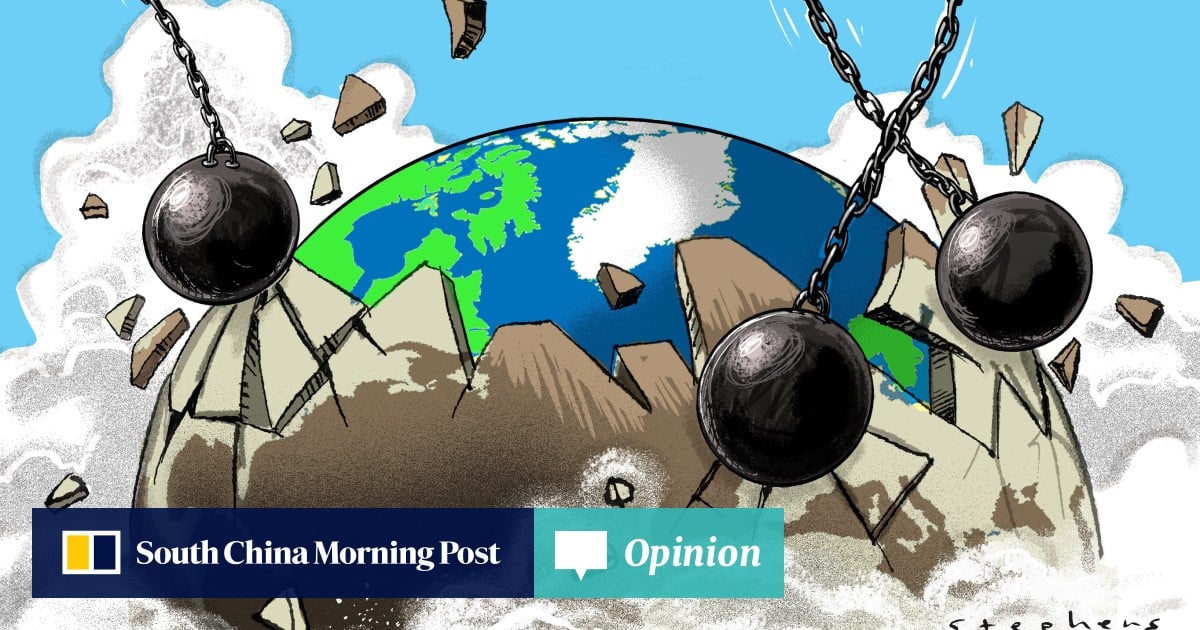
A look at how global governance must adapt to contemporary challenges as the international order shifts beyond its post-war framework.
Global Governance Must Adapt to New Realities
Despite international tensions, countries seek cooperation based on shared interests. The global order is evolving beyond its post-war structure, facing new challenges like climate change and digital fragmentation.
The 2026 Munich Security Report highlights a period of 'wrecking-ball politics,' where old frameworks struggle to address these issues. Rising populism in Western countries challenges multilateral structures, but institutions remain anchored in outdated power dynamics. Today's global system is more economically diffuse and interconnected through trade and technology.This article explores the need for global governance to evolve and adapt to these shifting realities.
By news
4 months ago
No cameras found for this country.