Impact of U.S.-Israeli attack on Iran: Strait of Hormuz risks
Mar 1, 2026
 United States
Energy
United States
Energy
United States
Energy
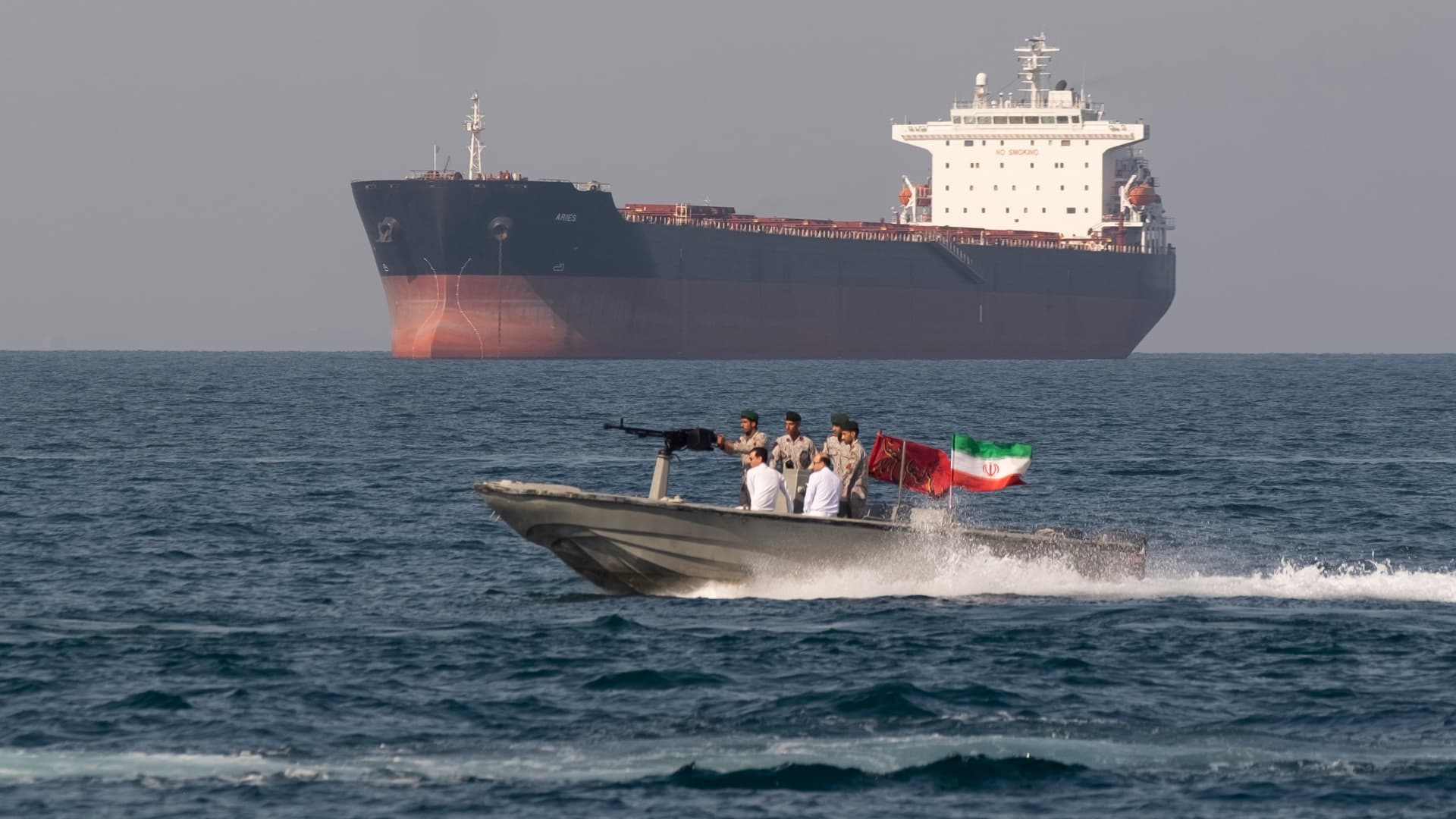
The U.S.-Israeli attack on Iran poses significant risks to global oil trade through the Strait of Hormuz, with potential for major supply disruptions and econom
The Impact of Iran's Response to the U.S.-Israeli Attack
Recent military actions by the U.S. and Israel have heightened tensions with Iran, raising concerns about potential disruptions in global oil trade through the Strait of Hormuz.
Oil Exports at Risk
Over 35% of seaborne oil exports and 20% of liquid natural gas pass through this strategic waterway. The closure could severely impact the global economy, potentially leading to a global recession.
Market Implications
Energy experts warn that the market may underestimate Iran's ability to disrupt trade. This could lead to significant spikes in oil prices, potentially exceeding $100 per barrel.
Strategic Alternatives and Challenges
Saudi Arabia and other Gulf nations have alternative pipelines to bypass the Strait of Hormuz, but only a small fraction of oil can be redirected. Additionally, Iranian missile strikes on neighboring countries could further complicate the situation.
Economic Mitigation Strategies
The Trump administration may consider tapping into the Strategic Petroleum Reserve if oil prices rise dramatically. However, experts caution that a full-scale crisis could overwhelm available resources and lead to economic instability.
By news
4 months ago