Prolonged Strait of Hormuz Closure Could Spark 1970s-Style Energy Shock
Mar 1, 2026
 United States
Energy Markets
United States
Energy Markets
United States
Energy Markets
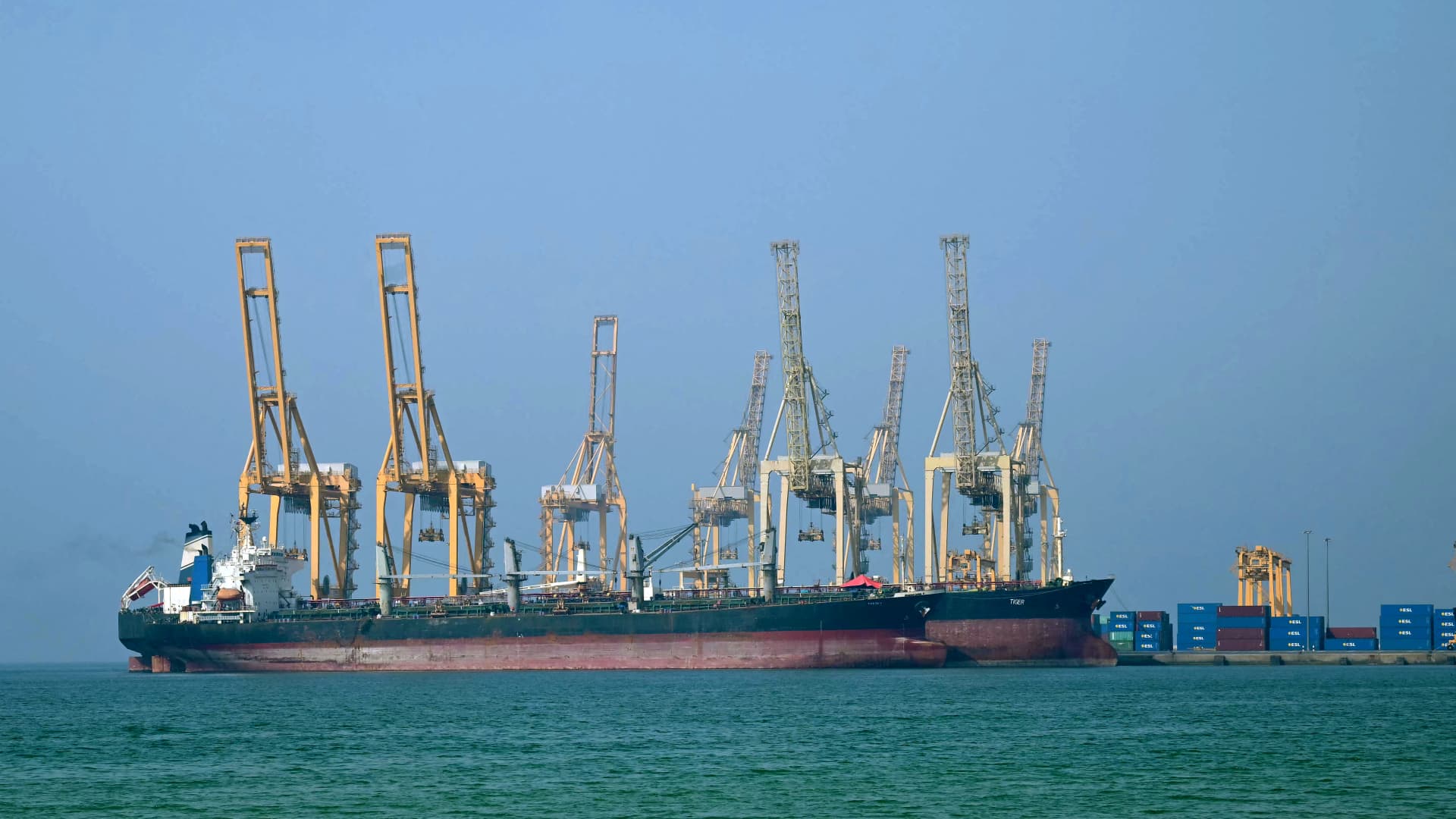
Analysts warn that prolonged disruption in the Strait of Hormuz could cause oil prices to surge, possibly reaching levels seen in the 1970s. The situation has h
Energy Market Concerns Rise Amid Strait of Hormuz Tensions
Analysts warn that a prolonged disruption in the Strait of Hormuz could cause oil prices to surge, possibly reaching levels seen in the 1970s. The situation has heightened concerns among global markets, with experts predicting severe consequences if tensions escalate.
Immediate vs. Long-Term Impact
While immediate reactions may impact prices, the longer-term outcome hinges on how long the conflict lasts and its scope. If Iran successfully blocks the strait, it could lead to a significant supply disruption, affecting not only Iranian exports but also global shipping through this critical waterway.
Regional Escalation Risks
The potential for regional escalation adds further complexity to an already volatile market. Oil prices are currently experiencing year-on-year gains, with Brent crude settling at $72.48 and WTI at $62.02. Experts suggest that the worst-case scenarios include attacks on Gulf infrastructure and a complete closure of the Strait of Hormuz.
Expert Opinions
Experts emphasize that the duration and scope of any disruptions will determine the severity of any spike in oil prices. If Iran feels cornered, the probability of more severe measures increases, potentially leading to a complete closure of the Strait of Hormuz.
By news
4 months ago