Europe's Role in Iran Conflict
Mar 4, 2026
 United States
International
United States
International
United States
International
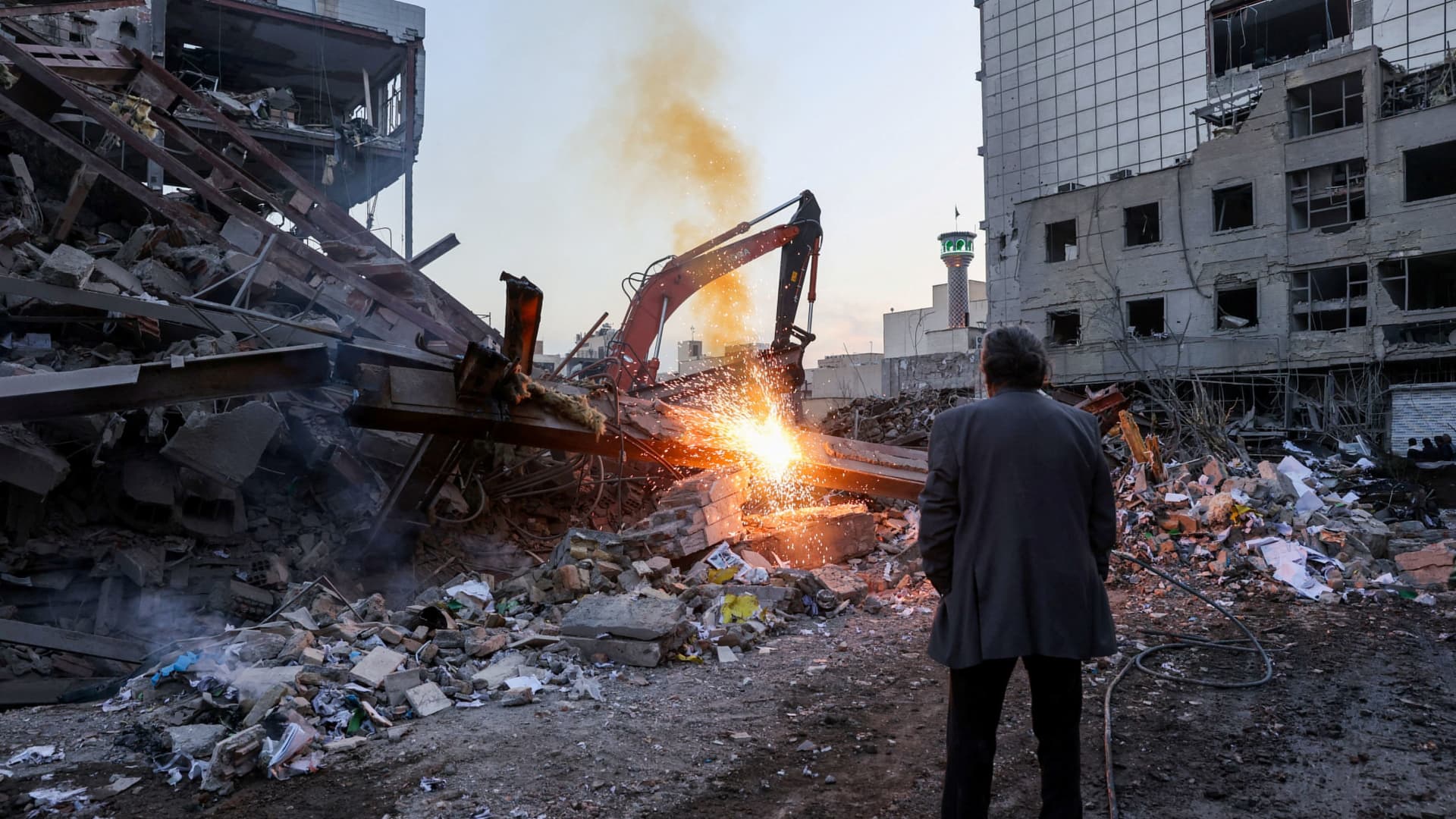
Europe's role in the Iran conflict is explored as European leaders express concerns over the lack of advance notice before U.S.-Israeli airstrikes.
Europe's Role in Iran Conflict
The article delves into how European leaders are navigating the unfolding crisis in Iran as tensions between the U.S., Israel, and Iran escalate. While Europe remains on the sidelines, its leaders are grappling with the implications of the conflict for regional security and stability.
Key Developments:
1. Lack of Information: Few European officials were informed about the airstrikes beforehand, highlighting Europe's limited role in the decision-making process.
2. Germany's Stance: German Chancellor Friedrich Merz learned of the attacks just minutes before they occurred, showing Germany's reluctance to engage deeply in the conflict through military means.
3. EU's Response: The European Union has stated its commitment to protecting regional security and stability but is also considering additional sanctions against Iran.
4. Diplomatic Efforts: MEP Hannah Neumann emphasizes the need for diplomatic channels to address Tehran's retaliatory actions and de-escalate tensions in the region.
5. U.S.-Europe Relations: The conflict has strained relations between the U.S. and Europe, particularly after Trump's criticism of the UK's change of heart regarding military base access.
6. Criticism from Sweden: Former Swedish Prime Minister Carl Bildt criticized the lack of coherence in U.S. policy, suggesting that starting a war without clear reasons or aims is problematic.
By news
7 months ago