Middle East Travel Chaos Amid US-Iran Conflict
Mar 4, 2026
 United States
Travel
United States
Travel
United States
Travel
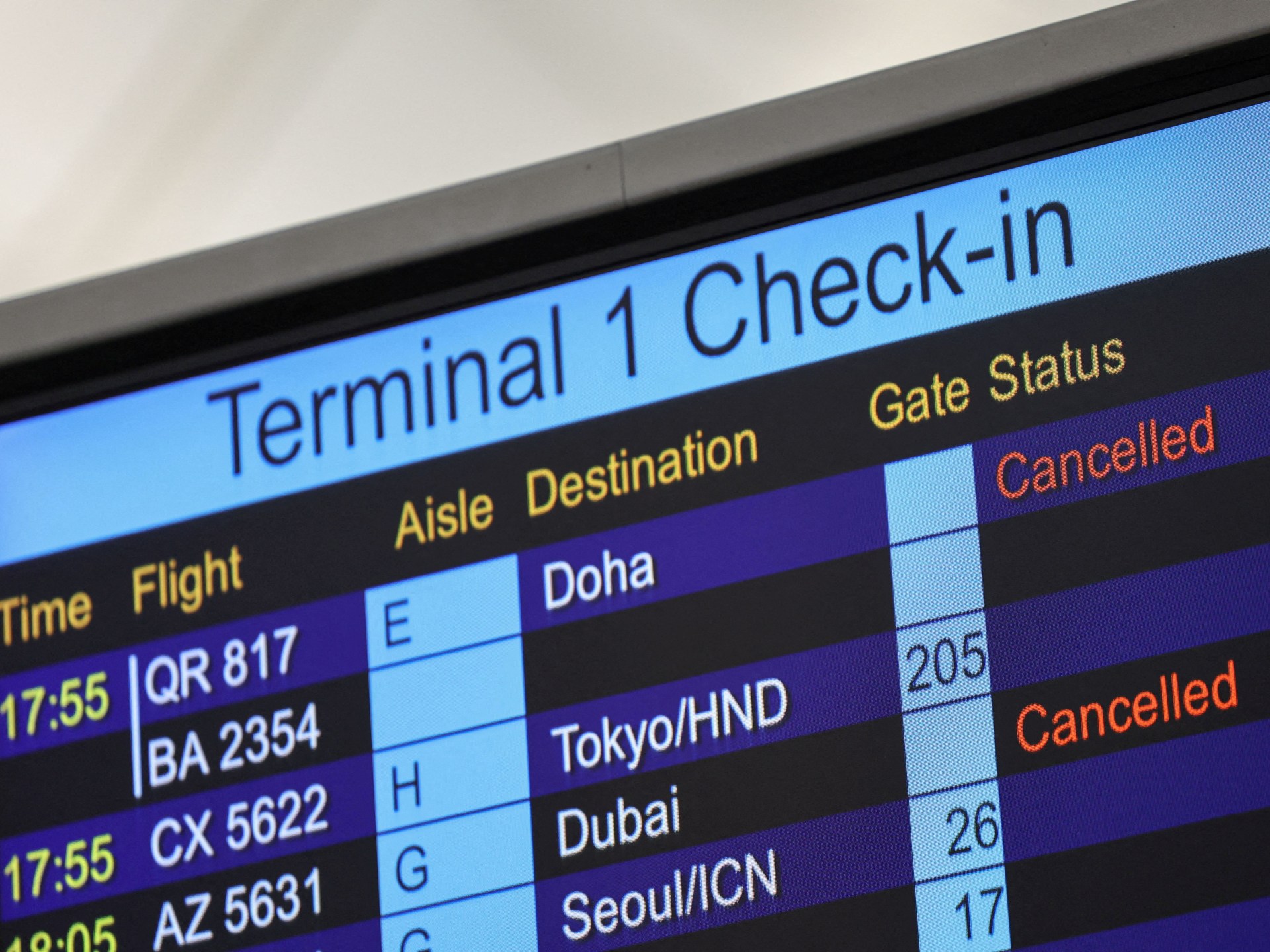
The US-Iran conflict has led to travel chaos in the Middle East, with thousands of flights canceled and passengers stranded. Governments are scrambling to bring
Travel Chaos in the Middle East
The ongoing conflict between the United States and Iran has caused widespread travel disruptions across the Middle East. Major airports like Dubai International Airport remain closed or severely restricted, leaving tens of thousands of travelers stranded. Airlines such as Emirates and Etihad have been operating limited flights to repatriate passengers, while governments worldwide are scrambling to organize evacuation efforts.
Over 21,000 flights have been canceled at key hubs including Doha, Abu Dhabi, and Dubai since the conflict began. This has led to a surge in demand for alternative routes, particularly for long-haul travel between Asia and Europe. Many travelers are unable to reach their destinations, facing uncertainty about when normal service will resume.
Oil prices have surged due to the conflict, further straining airline finances. With most airlines having abandoned fuel hedging strategies, rising jet fuel costs are expected to impact profitability significantly. The situation has also forced global air carriers to reconsider their routes and operational plans, adding additional pressures on an already strained industry.
Meanwhile, the US Department of State has urged all Americans to leave the region, while other nations are arranging repatriation flights amidst the chaos. Travel agencies report that the current disruptions are some of the most severe since the COVID-19 pandemic began. The conflict is projected to cost the Middle East billions in tourism revenue as travel and trade corridors remain blocked.
For now, travelers are advised to monitor updates from their airlines and governments regarding flight status and repatriation efforts. The situation remains fluid, and it’s crucial for passengers to stay informed and prepared for potential changes in their travel plans.
By news
7 months ago