Trump's Plan to Escort Tankers Through Strait of Hormuz: Challenges and Implications
Mar 6, 2026
 United States
Politics
United States
Politics
United States
Politics
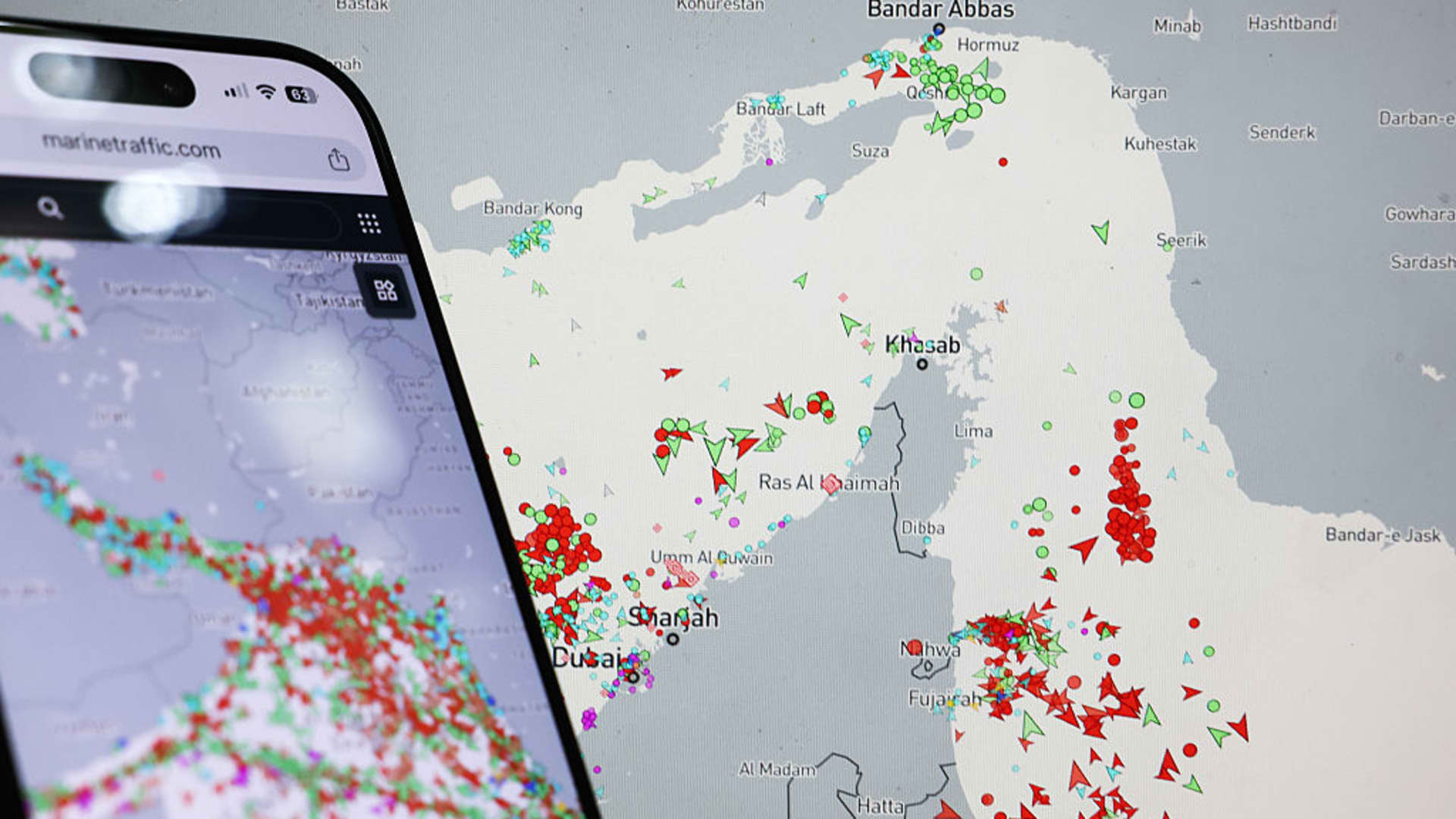
President Trump has proposed using the U.S. Navy to escort tankers through the Strait of Hormuz, but analysts warn that this may not be sufficient to restore oi
Trump's Plan to Escort Tankers Through Strait of Hormuz
President Trump has proposed using the U.S. Navy to escort tankers through the Strait of Hormuz, but analysts warn that this may not be sufficient to restore oil supply flows. Hundreds of ships are stranded in the Persian Gulf, and experts suggest that a prolonged closure of the Strait could lead to significant disruptions in the global oil market. The U.S. Navy's ability to effectively escort and protect these vessels remains in question, as it would require a substantial commitment of resources. Additionally, the longer the Strait remains closed, the more severe the economic impact will be, potentially causing oil prices to rise significantly and affecting the global economy. The situation is further complicated by other regional threats, such as Houthi missile attacks in the Red Sea, which have already impacted shipping traffic. While the U.S. has promised to degrade Iran's military capabilities, this process takes time. The Strait of Hormuz remains a critical chokepoint for global energy supplies, and the international community must work together to ensure its safe passage. This article explores the complexities of the current situation and the potential consequences of the proposed naval escort plan.
By news
7 months ago