Bureaucratic Hurdles Jeopardy Korea's Appeal to International Students
Mar 8, 2026
 South Korea
Education
South Korea
Education
South Korea
Education
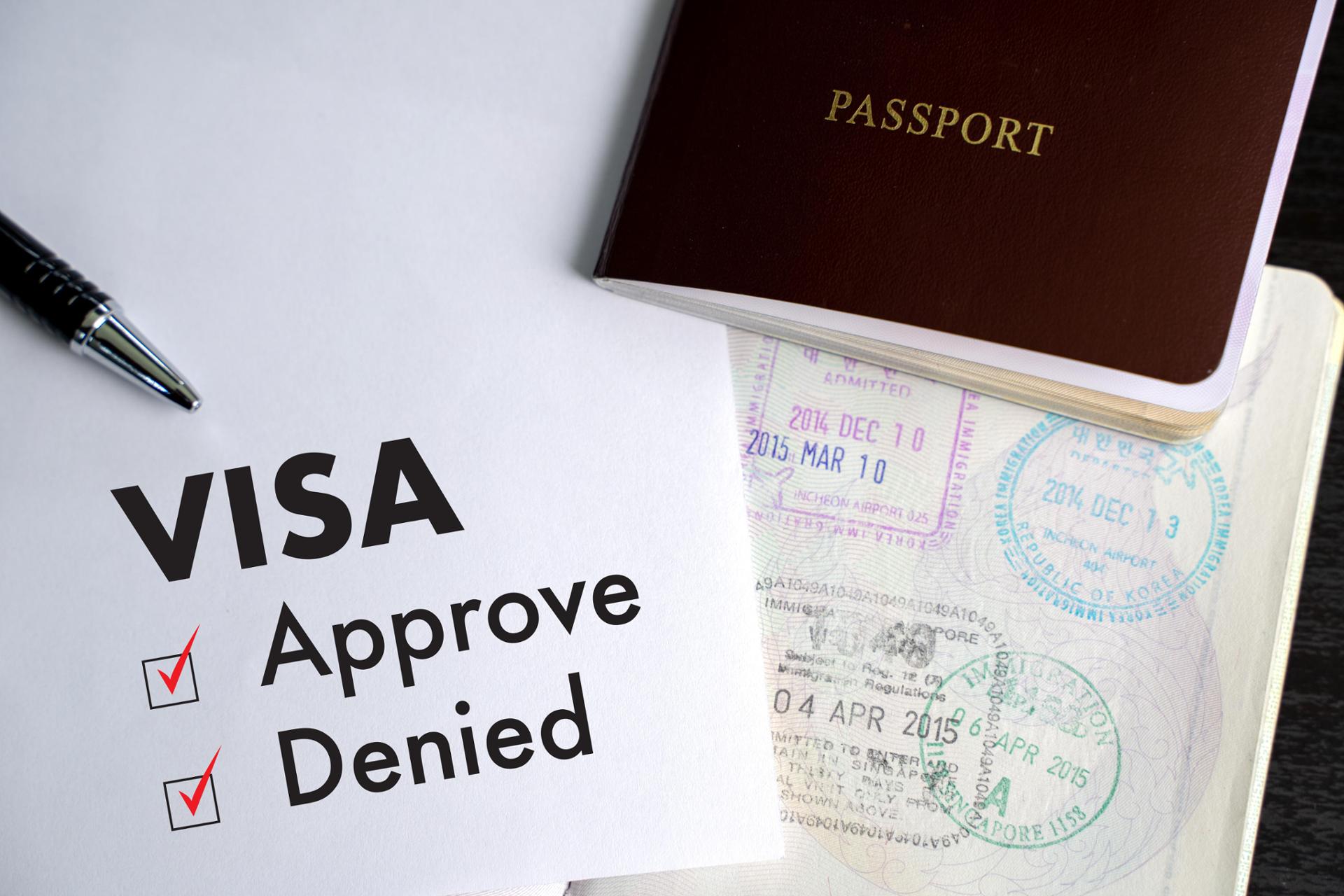
Korea’s attempt to attract international students is hindered by visa delays and inconsistent regulations, affecting students’ job opportunities and living cond
Bureaucratic Hurdles Jeopardy Korea's Appeal to International Students
South Korea's efforts to attract international students are being undermined by bureaucratic delays and shifting regulations. Despite expanded university recruitment and government promises of eased visa rules, international students continue to face inconsistent administrative practices and delayed approvals, making their study and work plans uncertain.
One Iraqi student narrowly avoided losing an internship after her part-time work permit application was rejected. The application, which initially seemed approved, was later rejected due to missing documents, despite her previous successful applications and the acceptance of expired TOPIK scores. This frustration is compounded by the inability to reach immigration officials, leaving students feeling isolated and helpless.
A Russian student faced a similar challenge when she was unable to provide an unattainable document requested by immigration authorities. Despite being on a scholarship and seeking part-time work for living expenses, her application was rejected due to the impracticality of obtaining the required CEO identification. This highlights the arbitrary nature of the regulations and the challenges faced by students trying to navigate the complex system.
The Ministry of Justice has updated guidelines for part-time work permits, but these remain complex and often lead to further delays. With application numbers surging, nearly tripling in three years, many students are missing out on valuable opportunities due to systemic issues in the immigration process.
Delays in issuing foreign residence cards have also left students without financial support, further straining their ability to adapt to life in Korea. Legal experts emphasize the need for clearer regulations and better transparency in immigration procedures to ease the burdens faced by students, universities, and employers.
By news
6 months ago
No cameras found for this country.