U.S. Launches New Section 301 Probes into 60 Economies Over Forced-Labor Trade Practices
Mar 13, 2026
 United States
Trade
United States
Trade
United States
Trade
The U.S. has initiated new trade investigations under Section 301(b) targeting 60 economies, including China and the EU, to address forced-labor practices. Thes
U.S. Launches New Section 301 Probes into 60 Economies
The U.S. has initiated new trade investigations under Section 301(b) of the Trade Act of 1974, targeting 60 economies globally. These probes focus on forced-labor trade practices, including countries like China, the European Union, India, and Mexico.
Section 301 allows the U.S. to impose tariffs on countries found to engage in unfair trade practices without needing additional congressional authorization. The investigations aim to assess whether foreign governments have taken sufficient steps to ban goods produced with forced labor and how this impacts U.S. workers and businesses.
U.S. Trade Representative Jamieson Greer emphasized the importance of addressing forced labor and the need for international cooperation. The probes follow earlier investigations into excess industrial capacity in 16 economies, including China and Australia.
Expert Wendy Cutler noted that the broad scope of these probes could strain international partnerships, particularly with countries like China. The U.S. will hold hearings on these investigations, with criticism over the short timeline and potential impact on ongoing international trade discussions.
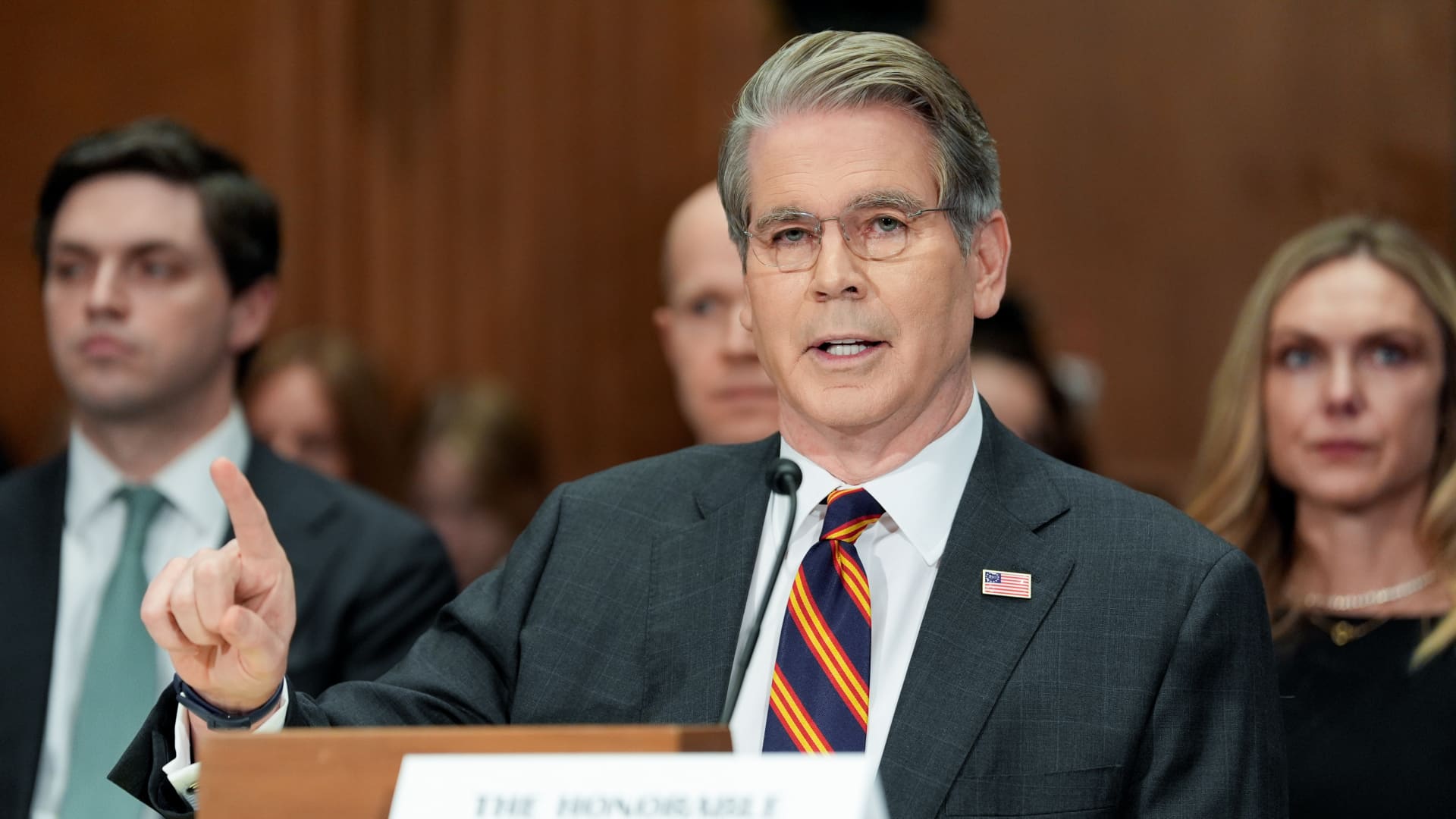
The probes come ahead of a major trade summit between U.S. Treasury Secretary Scott Bessent and his Chinese counterpart in Paris. The Chinese government has expressed disapproval, urging the U.S. to reconsider its approach and return to diplomatic negotiations.
Section 301 probes are a key tool in U.S. trade policy, used extensively during the Trump administration and continued by the Biden administration. These actions highlight the complexities of global trade enforcement and the challenges of balancing trade fairness with international cooperation.
By news
6 months ago