Surge in Oil Prices Shakes Pakistan’s Economy
Mar 14, 2026
 Pakistan
Economy
Pakistan
Economy
Pakistan
Economy
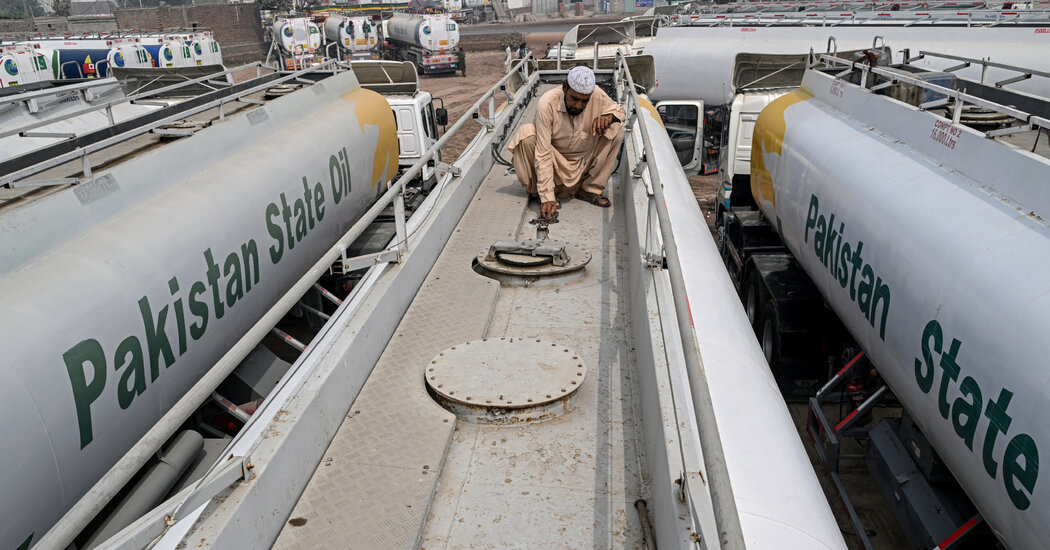
Rising oil prices and geopolitical tensions threaten Pakistan’s fragile economy, impacting agriculture, education, and energy usage across the country.
Surge in Oil Prices Shakes Pakistan’s Already Fragile Economy
Pakistan’s economy is under serious threat due to the surge in oil prices, which has added significant strain to its already fragile financial situation. The country heavily depends on imports of crude oil from Saudi Arabia and the United Arab Emirates, which pass through the sensitive Strait of Hormuz. The ongoing regional conflict has disrupted these supply routes, further complicating Pakistan’s economic challenges.
Farmers are particularly affected as they face higher fuel costs ahead of the harvest season, making it difficult to manage their operations. Additionally, many schools may shift to online learning, but a significant portion of the population lacks the necessary technology to support this transition. The Eid al-Fitr celebrations are also being impacted, with families canceling planned trips to their hometowns, which typically marks a festive period following Ramadan.
Energy costs have become a major issue across South Asia, with megacities and rural areas alike experiencing financial struggles. In India, some restaurants have removed slow-simmered dishes from their menus to reduce cooking gas usage, and one city has suspended gas-fueled cremations. In Bangladesh, universities have closed to conserve electricity, while Nepal plans to ration cooking gas. Pakistan’s economist Kaiser Bengali has warned that prolonged disruptions in oil supplies could lead to the collapse of the economy.
Pakistan’s financial instability is exacerbated by its reliance on loans from the International Monetary Fund. The country is barely keeping its head above water with IMF loans, and any extended period of disruption could push it into economic collapse. The daily wage earners and those with little savings are particularly vulnerable to sudden increases in energy costs, making their situation increasingly dire.
By news
6 months ago
No cameras found for this country.