China's factory output and consumption outpace forecasts, property investment slows
Mar 16, 2026
 China
Business
China
Business
China
Business
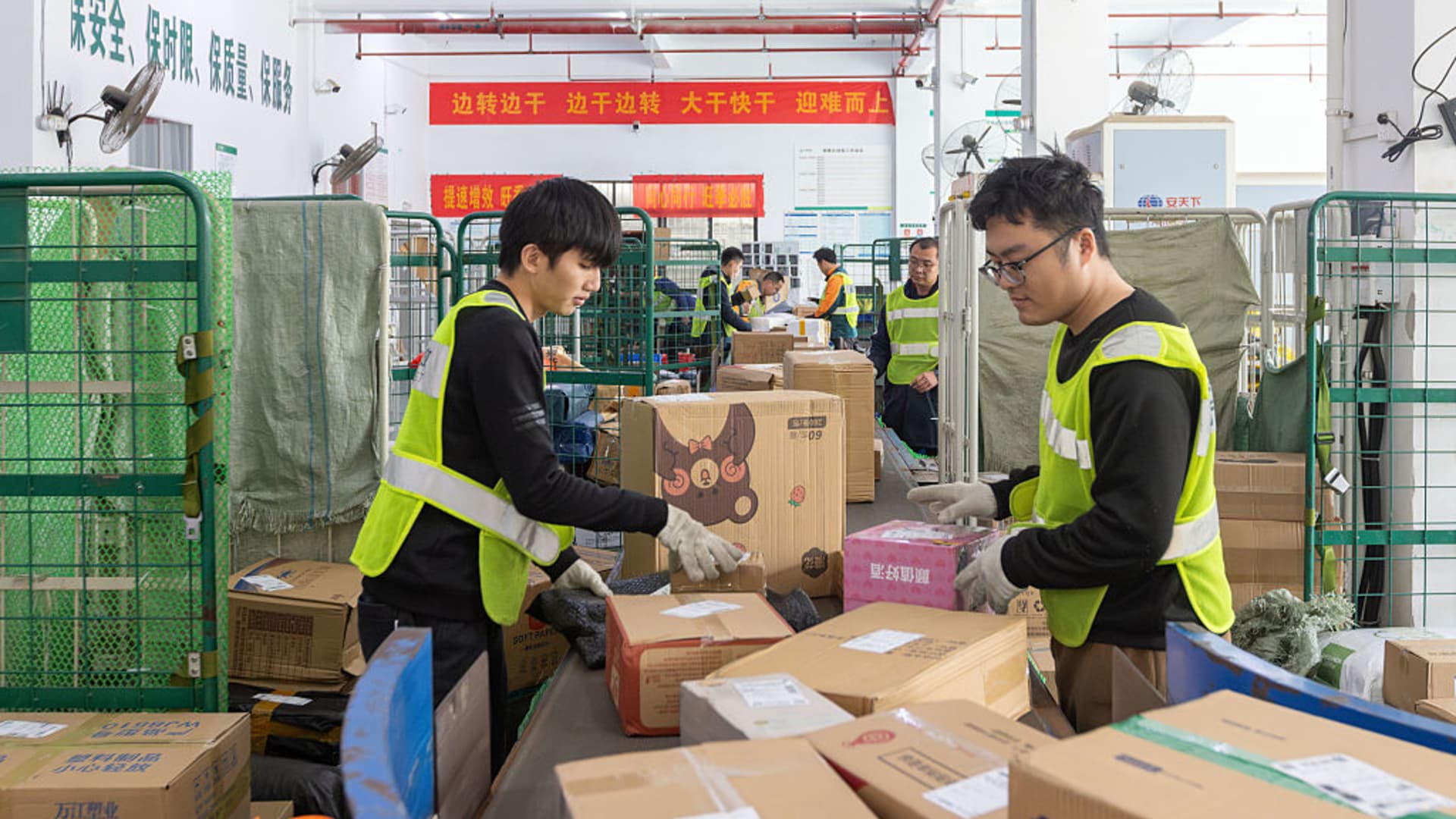
China's economy starts strong with retail sales and industrial output beating forecasts, while property investment slows down due to ongoing real estate issues.
China's Economy Shows Strong Growth in 2026
China's economy began the year on a positive note, with consumption and production both outperforming expectations. Retail sales for the first two months of 2026 rose 2.8%, surpassing forecasts of a 2.5% increase, while reflecting a slowdown from the 4% growth seen in January-February 2025. Industrial output also climbed 6.3%, exceeding the 5% jump expected in a Reuters poll. This strong performance is attributed to holiday spending and robust foreign demand, particularly from European and Southeast Asian nations.
The fixed asset investment, which includes property, saw a slight increase of 1.8% from a year earlier, compared to the forecasted 2.1% drop. However, investment in real estate development continued to decline, falling 11.1% in January and February, moderating from the 17.2% drop in 2025. The Chinese government recently set a GDP growth target of 4.5% to 5% for 2026, marking the least ambitious target in decades. This target reflects the ongoing challenges faced by the economy, particularly in the real estate sector, which has been a significant drag on growth for several years.
Overall, the Chinese economy is showing resilience in certain sectors, particularly industrial production, while facing ongoing headwinds in the real estate market. The government's cautious outlook for GDP growth in 2026 highlights the need for continued attention to economic stability and diversification.
By news
6 months ago
No cameras found for this country.