Israel-Iran Conflict: Saudi Intercepts Drones, Israel Strikes Lebanon
Mar 21, 2026
 United States
International Relations
United States
International Relations
United States
International Relations
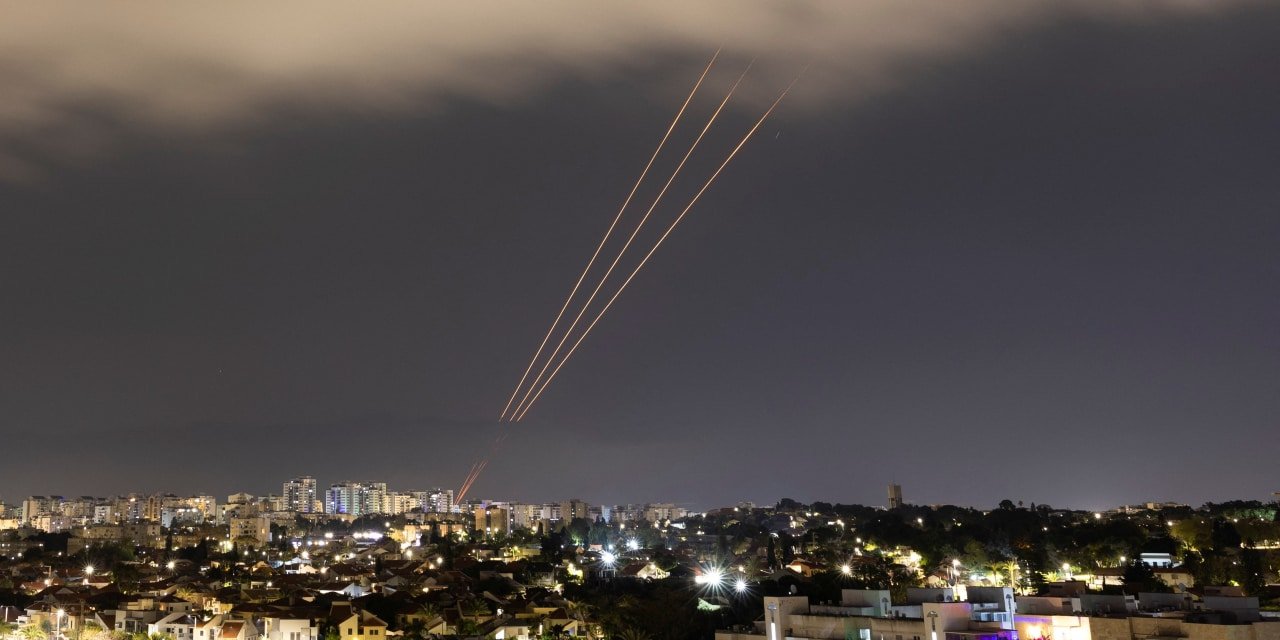
The Israel-Iran conflict heats up with Saudi Arabia intercepting Iranian drones and Israel striking Lebanon, impacting regional stability and energy markets.
Israel-Iran Conflict Escalates
The ongoing tension between Israel and Iran has led to significant developments in recent days. Saudi Arabia reported intercepting 22 drones suspected to be of Iranian origin, a move that has heightened regional tensions.
Saudi Intercepts Drones
Saudi Arabia announced the interception of 22 drones, which it claims are linked to Iran. This action has been met with international concern, as it signals a potential escalation in the conflict between the two nations.
Israel Strikes Lebanon
In another development, Israel carried out airstrikes in Lebanon, targeting suspected positions believed to be involved in drone operations. These strikes have increased the instability in the region and have drawn criticism from international bodies.
Energy Markets Affected
The conflict has also impacted global energy markets, particularly in the Gulf region. The Strait of Hormuz remains a critical chokepoint for oil exports, and any further escalation could lead to supply disruptions.
Conclusion:
The ongoing conflict between Israel and Iran, with Saudi Arabia's interception of drones and Israel's strikes in Lebanon, underscores the complexity of regional dynamics. The potential for broader instability remains high, and international efforts are needed to de-escalate tensions and promote peace in the Middle East.
By news
6 months ago