Gold slides as hawkish Fed and strong US dollar override geopolitical fears
Mar 22, 2026
 United States
Business
United States
Business
United States
Business
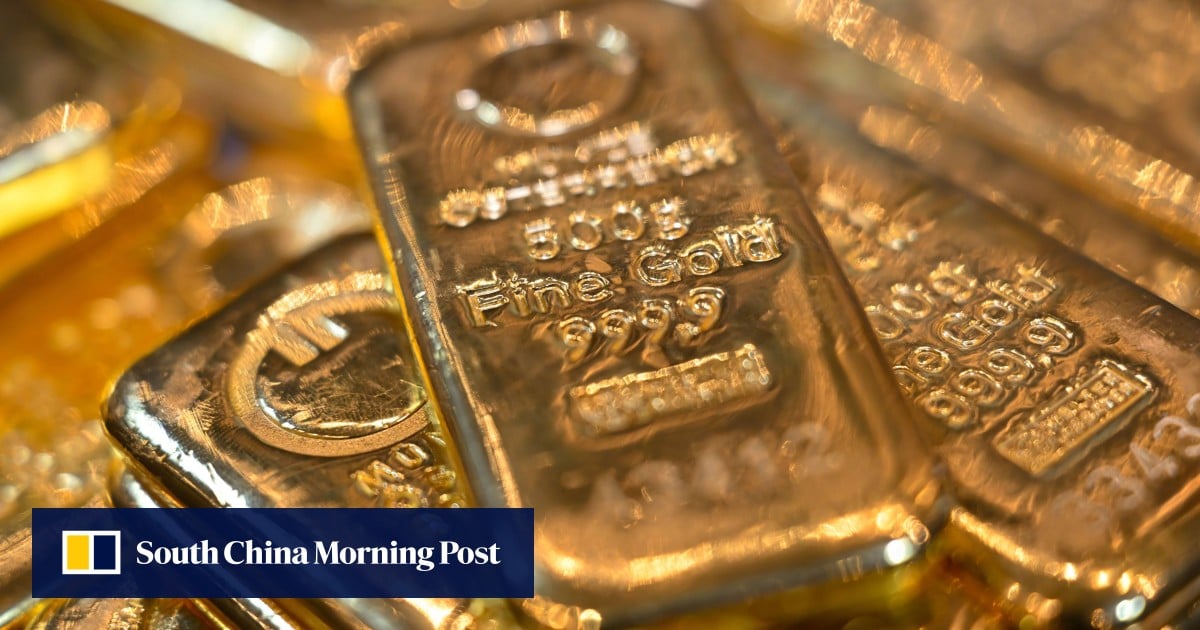
Gold prices fall amid hawkish Fed policies and stronger US dollar, impacting global markets and investor sentiment.
Gold Prices Drop Amid Hawkish Fed Policies
Despite geopolitical tensions, gold prices have seen a decline due to a hawkish Federal Reserve and a strong US dollar. The market has been impacted by fading expectations of interest rate cuts and rising oil prices, which traditionally support gold as a safe-haven asset. However, the current economic environment has shifted, with the Fed maintaining a steady benchmark rate and projecting higher inflation.
Analysts, including Lynn Song from ING, have noted that the decline is part of a broader pullback following an overheated rally. The strong US dollar has added further pressure, as it competes with gold for safe-haven status. Oil price increases, which usually drive inflation and erode fiat currency values, have also contributed to the negative sentiment towards gold.
Despite these challenges, gold continues to be seen as a non-yielding asset, offering no direct returns but serving as a store of value during uncertain times. However, the current market dynamics suggest that gold may not be as effective in hedging against geopolitical risks as it has been in the past.
By news
6 months ago