COP30 Climate Summit in Brazil Faces Showdown Over Fossil Fuels & Climate Finance: Draft Deal Omits Phase-Out Roadmap
Nov 21, 2025
 Brazil
Climate Change
Brazil
Climate Change
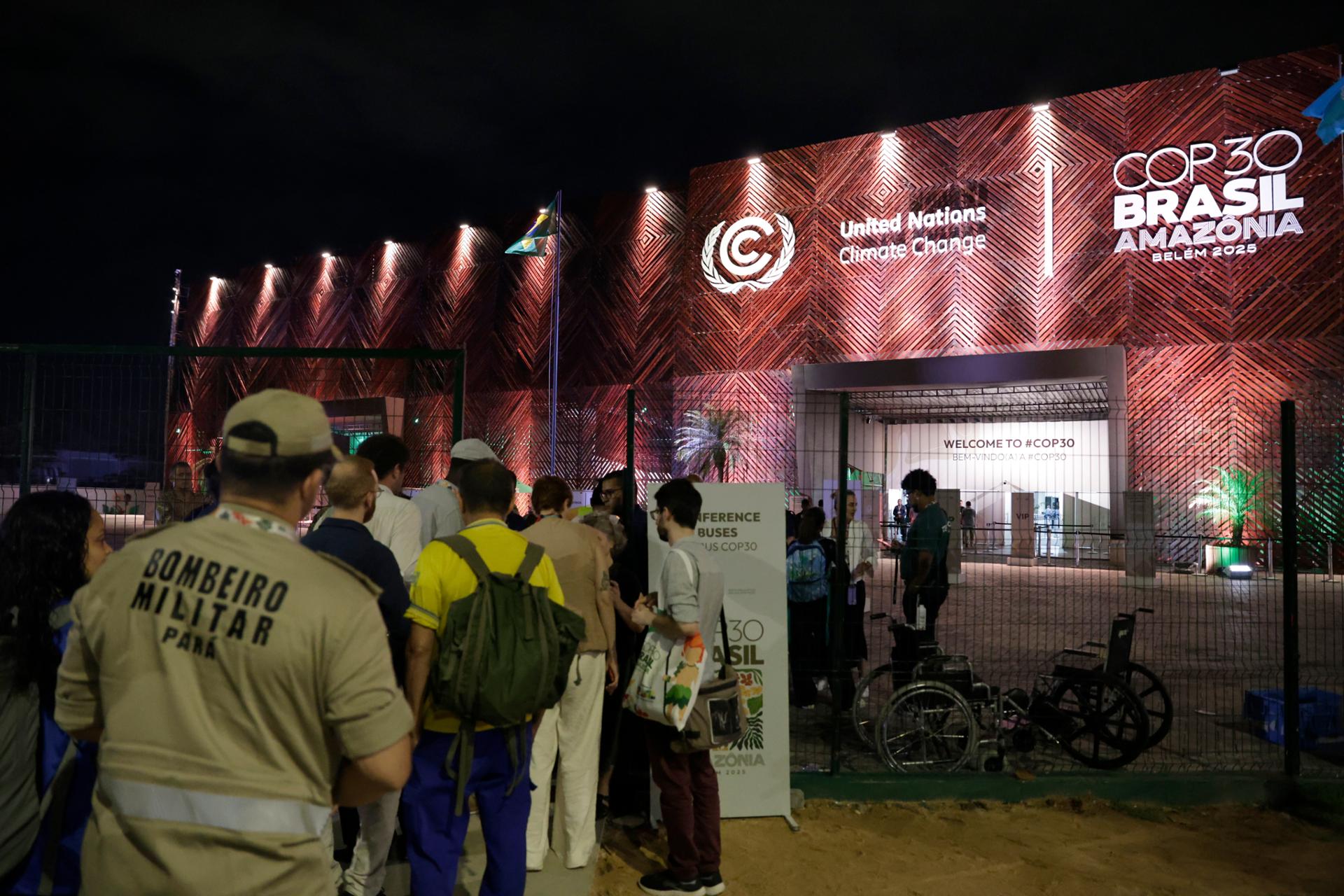
COP30 climate summit in Brazil faces a deadlock as the draft deal drops fossil fuel transition plans. Over 30 nations demand a roadmap, while finance mechanisms
COP30 Climate Summit in Brazil Faces Showdown Over Fossil Fuels and Finance
The COP30 climate summit, currently underway in Belem, Brazil, is poised for a critical showdown as negotiations enter their final hours. A recently circulated draft agreement for the United Nations climate summit has notably omitted any specific references to a global plan for transitioning away from oil, gas, and coal – a significant shift from earlier versions of the text.
Fossil Fuel Roadmap: A Point of Contention
The exclusion of a fossil fuel roadmap from the draft has ignited considerable disappointment and strong opposition from a diverse coalition of over 30 nations. These countries, including influential players such as the EU, Colombia, France, Germany, Kenya, the Marshall Islands, Mexico, the Netherlands, South Korea, Spain, and the United Kingdom, have formally conveyed their stance: they cannot endorse a deal that fails to provide a clear pathway for phasing out fossil fuels. They argue that the current draft "does not meet the minimum conditions required for a credible COP outcome."
This contentious issue has remained a central and divisive point throughout the two-week conference. While numerous nations are vigorously advocating for a concrete "roadmap" to fulfill the commitment made at COP28 two years ago to move away from fossil fuels, reports from negotiators indicate that major oil-producing countries, notably Saudi Arabia, are actively opposing such explicit commitments.
Uncertainty in Climate Finance and Adaptation
Beyond the fossil fuel debate, the draft agreement also addresses climate finance, proposing a global effort to triple the funding available for nations to adapt to climate change by 2030, based on 2025 levels. However, a significant gap remains: the draft does not specify the origins of this increased financing. This lack of clarity on whether the money will come directly from wealthy nations, development banks, or the private sector is a key concern for poorer countries. These nations are seeking stronger guarantees of public financial support for crucial adaptation projects, which are vital for saving lives but often offer limited financial returns, making them unattractive to private investors.
Trade Dialogue: A New Frontier
Adding another dimension to the negotiations, the draft deal also suggests initiating a "dialogue" on trade at forthcoming COP climate summits. This dialogue would involve governments and other key actors, including the World Trade Organization. This move is perceived as a significant victory for countries like China, which have long advocated for the integration of trade concerns into global climate discussions. Conversely, it may cause discomfort for the European Union, as demands for such discussions often highlight the EU's carbon border levy, a measure that nations like South Africa and India have openly criticized and called for its removal.
With the conference scheduled to conclude, the pressure is mounting for delegates to bridge these deep divisions and find a consensus. The stage is set for a last-gasp effort to resolve these critical issues, reminiscent of past COP summits that have often extended beyond their official deadlines to finally reach a compromise.
By news
11 months ago
No cameras found for this country.