Amazon's Record Layoffs Hit Engineers Hardest Amidst Innovation Push; Thousands Cut Across US States & Key Divisions
Nov 21, 2025
 United States
Technology
United States
Technology
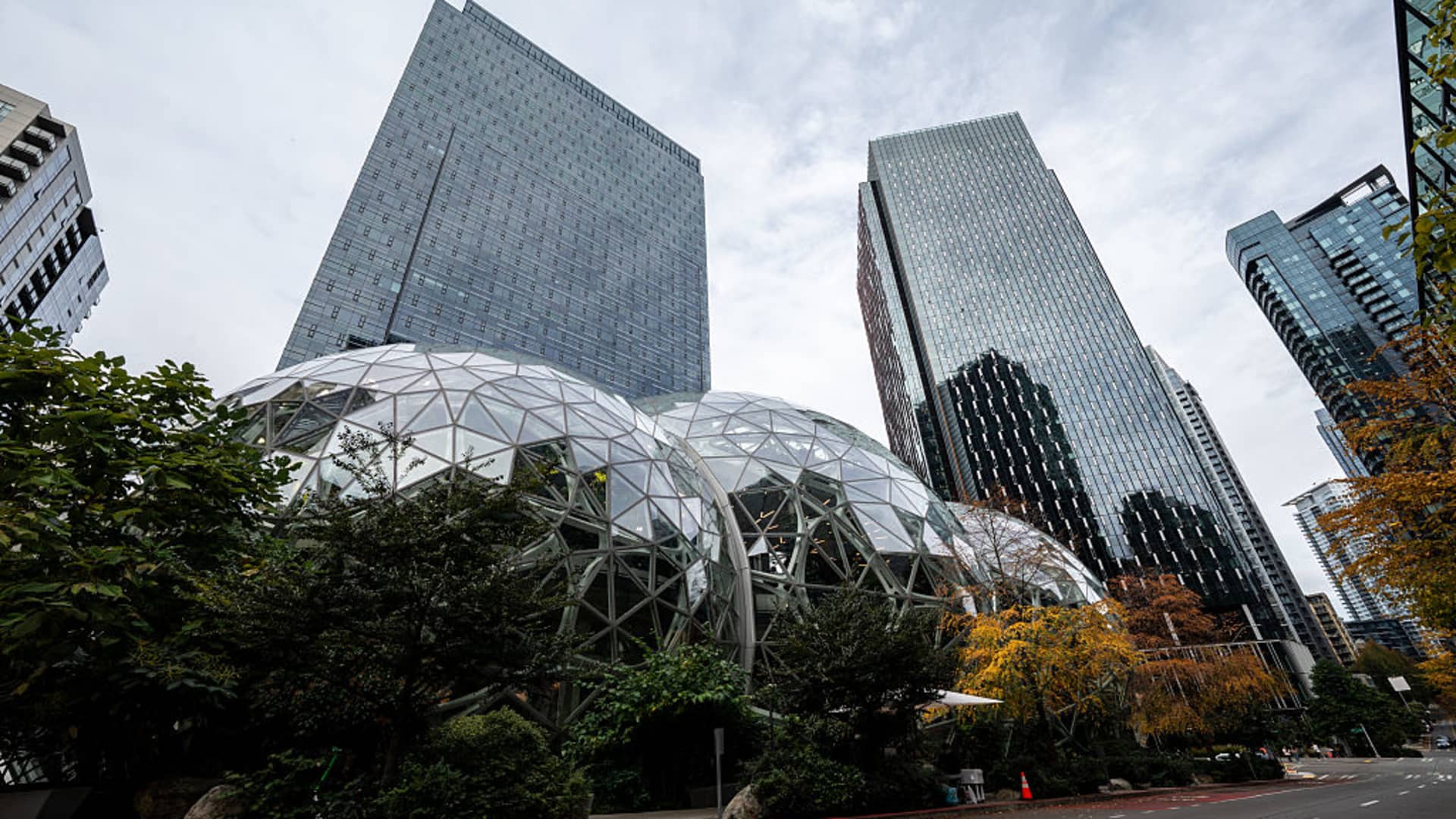
Amazon's recent mass layoffs significantly impacted engineers, cutting nearly 40% of thousands of roles across key US states. The tech giant aims for a leaner s
Amazon's Record Layoffs Disproportionately Impact Engineers Amidst Innovation Drive
Amazon, a global technology behemoth, recently executed its most extensive round of layoffs in its 31-year history, impacting over 14,000 employees across its diverse business segments. While the cuts spanned cloud computing, devices, advertising, retail, and grocery, state filings reveal that engineering roles bore the brunt of the reductions.
Engineering Roles Heavily Affected Across Key US States
Detailed Worker Adjustment and Retraining Notification (WARN) filings from Washington, New York, New Jersey, and California indicate that nearly 40% of the approximately 4,700 positions eliminated in those states were engineering jobs. This significant impact on engineering staff comes even as the company, through its human resources chief Beth Galetti, emphasized the critical need for accelerated innovation. Mid-level software development engineers (SDE II roles) were particularly affected by this wave of job losses.
Strategic Shift: Leaner Operations and AI Investment
Amazon CEO Andy Jassy has been driving a multi-year initiative to transform the company's corporate culture, aiming for the agility of "the world's largest startup." This involves a deliberate move to become leaner, reduce bureaucracy, and encourage employees to achieve more with fewer resources. Jassy attributed the layoffs, in part, to a "culture" issue stemming from an extended hiring spree that led to "a lot more layers" and subsequently slower decision-making.
While Amazon is actively reallocating resources to boost its investments in artificial intelligence, the company clarified that AI was not the primary catalyst for the vast majority of these recent job cuts. However, Jassy has previously suggested that AI-driven efficiency gains could lead to a shrinking corporate headcount in the coming years. Ironically, the burgeoning AI sector is also making traditional software development roles more competitive, with companies increasingly adopting AI-powered coding assistants from vendors like OpenAI and Amazon's own Kiro.
Broader Impact: From Gaming to Advertising
The ripple effects of the layoffs extended far beyond core engineering. More than 500 product managers and program managers, representing over 10% of the reported cuts in the aforementioned states, were also let go. Senior manager and principal-level positions were not immune to the reductions.
Amazon's strategic belt-tightening has also led to the curtailment of several experimental or unprofitable ventures. Recent years have seen the discontinuation of initiatives like a telehealth service, a kids' video calling device, a fitness wearable, and multiple brick-and-mortar retail chains.
The company's video game division was severely affected. Memos revealed "significant role reductions" within game studios in San Diego and Irvine, California, as well as its central publishing team. Game designers, artists, and producers were heavily impacted, and Amazon is reportedly halting much of its big-budget, massively multiplayer online (MMO) game development, including a previously announced "Lord of the Rings" MMO.
Additionally, Amazon's visual search and shopping teams, responsible for AI tools like Amazon Lens and Lens Live, experienced significant cuts, particularly affecting software engineers, applied scientists, and quality assurance engineers in Palo Alto, California. Even Amazon's highly profitable online advertising business saw downsizing, with over 140 ad sales and marketing roles eliminated across its New York offices.
Further job reductions at Amazon are anticipated in January, signaling a continued focus on efficiency and strategic realignment for the tech giant.
By news
11 months ago