One Year Post-Ceasefire: Israel-Hezbollah Tensions Mount, Sparking Fears of Renewed War in Lebanon Border Region
Nov 27, 2025
 Israel
International Relations
Israel
International Relations
Israel
International Relations
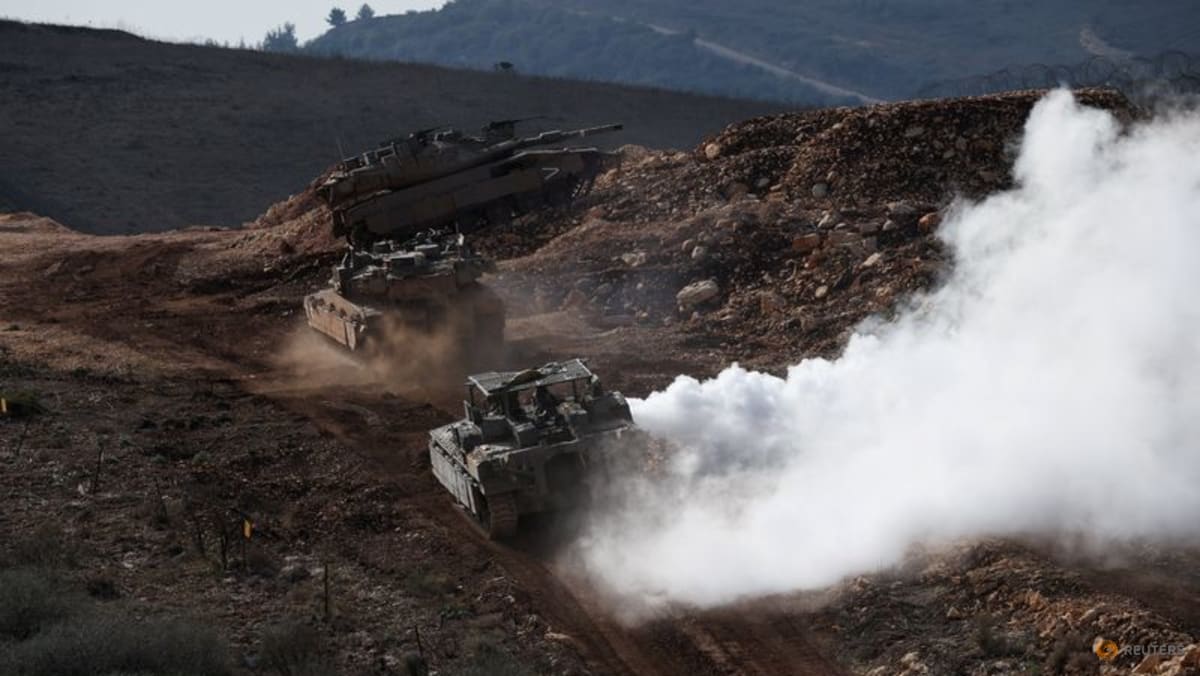
One year after a ceasefire, Israel and Hezbollah face escalating tensions, raising fears of renewed conflict. Daily Israeli airstrikes in Lebanon and mutual acc
A year has passed since the ceasefire agreement between Israel and the Lebanese militant group Hezbollah, a truce intended to quell over a year of cross-border violence. Yet, the peace remains fragile, threatened by escalating tensions and a growing fear of renewed full-scale conflict in the region. For residents like Aviva Weitzman in Kiryat Shmona, Israel's northernmost city, the scars on her home walls are not just physical remnants of past missile attacks but stark reminders of an ever-present threat.
The Echoes of Past Conflict Resurface
The ceasefire, enacted on November 27, 2024, was meant to conclude more than 13 months of intense cross-border exchanges and an Israeli ground invasion that claimed over 4,000 Lebanese lives and 127 Israeli lives. While Hezbollah has refrained from firing into Israel since the truce began, the situation on the Lebanese side of the border is markedly different. The Israeli military has been conducting nearly daily airstrikes in southern Lebanon, alleging that Hezbollah is actively rearming and rebuilding its capabilities in breach of the agreement. This sustained aerial campaign has fueled anxiety among civilians and observers alike.
Aviva Weitzman and her family had returned to Kiryat Shmona earlier this year, clinging to the hope that the ceasefire would endure. However, the continuous military activity has eroded that optimism. "Now, the feeling is that there is no security, that there could be another round of war," Weitzman lamented, pointing to Hezbollah's perceived attempts to approach the border fence. This pervasive insecurity has significantly hindered the area's recovery. Last year, following the October 7, 2023 attacks and Hezbollah's retaliatory missile launches, approximately 70,000 people were evacuated from northern Israeli communities, including over three-quarters of Kiryat Shmona's 24,000 residents. Many have since returned, only to face renewed uncertainty.
Escalating Strikes and Rising Concerns
The Israeli aerial campaign has not been confined to the immediate border areas; some strikes have even reached Lebanon’s capital, Beirut. A particularly significant incident occurred on Sunday, November 23, when a rare strike in Beirut's southern suburbs resulted in the death of a senior Hezbollah leader and several other members. This happened just four days before the ceasefire's first anniversary and a week prior to Pope Leo XIV's inaugural overseas visit to Lebanon, adding layers of geopolitical sensitivity to an already volatile situation.
Since the ceasefire, the Israeli military reports having eliminated over 300 Hezbollah members. Tragically, the United Nations also confirms that more than 100 Lebanese civilians have lost their lives in these intensified attacks. Karim Emile Bitar, a lecturer in Middle East Studies at Sciences Po Paris university, expressed grave concerns, noting the "climate of panic in Lebanon." He highlighted that while some strikes target Hezbollah operatives, there have also been incidents involving Lebanese civilians, contributing to widespread worry about a potential "new full-fledged war."
The Complexities of Disarmament
A crucial component of the United States and France-brokered ceasefire agreement mandated the Lebanese military to disarm Hezbollah. The Lebanese government has appealed for patience, stating its commitment to confiscating Hezbollah’s weapons in southern Lebanon by year-end. However, Israel remains skeptical. Last month, Israeli Defence Minister Israel Katz accused Lebanese President Joseph Aoun of "dragging his feet" on the matter.
Retired Israeli Lieutenant-Colonel Sarit Zehavi, founder of the Alma Research and Education Center, echoed these concerns, asserting that the Lebanese military's efforts are "far from enough." She pointed to numerous violations, including the storage of weapons within civilian infrastructure in South Lebanon. Zehavi emphasized that effective disarmament would necessitate the Lebanese army's genuine will and capability to "clash with Hezbollah," as the militant group is unlikely to surrender its arms non-violently.
A Standoff and Renewed Resolve
The situation is further complicated by Hezbollah's own accusations. The group claims Israel has violated the ceasefire by maintaining a presence in five locations within Lebanese territory along the border. Hezbollah has unequivocally stated that it will not disarm as long as Israeli strikes persist. With Israeli officials vowing to continue their operations, both sides appear locked on a trajectory toward further confrontation.
For some Lebanese civilians, the ongoing Israeli bombardment has ironically fortified their resolve. Mohammed Bazzi, a shop owner, articulated this sentiment: "Now they think that with their method, this barbaric and brutal approach, they will break our will. What's happening to us only increases our will and determination." This reciprocal hardening of positions underscores the profound challenges in achieving lasting peace in a region perpetually on edge. The one-year mark of the ceasefire serves not as a celebration of peace, but as a somber reminder of its fragility and the ever-present shadow of renewed conflict.
By news
7 months ago