Guinea-Bissau Coup: Army Seizes Power, Suspends Election Results as Opposition Demands Transparency & Democracy
Nov 27, 2025
 Guinea-Bissau
Politics
Guinea-Bissau
Politics
Guinea-Bissau
Politics
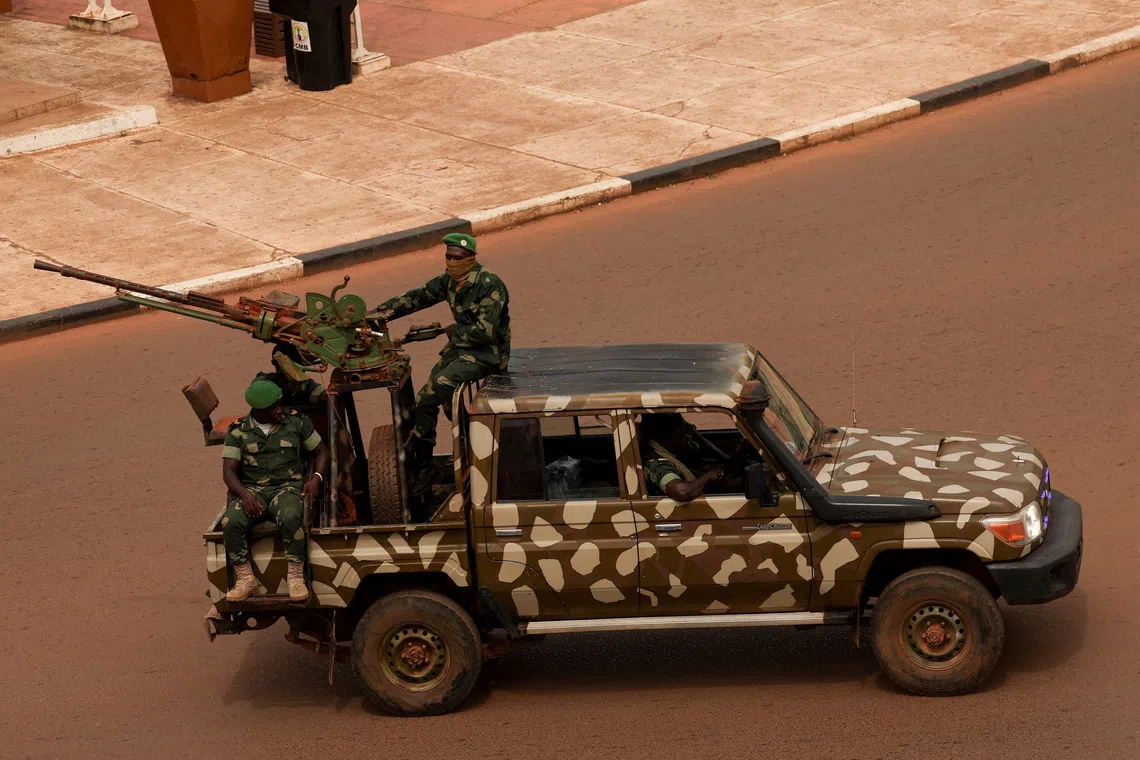
Guinea-Bissau's army seized power, suspending election results and ousting President Embalo. The opposition demands transparency amidst a history of coups and d
Guinea-Bissau Plunges into Crisis as Military Seizes Power, Halting Election Results
Guinea-Bissau plunged into fresh political turmoil this week as military officers seized control, halting the release of presidential election results and ousting President Umaro Sissoco Embalo. The opposition coalition, backing challenger Fernando Dias, has vehemently demanded the immediate publication of the Sunday vote's outcome, calling for a swift return to the democratic process.
Military Takes Charge, Suspends Election
In a televised address on Wednesday, a group identifying itself as "The High Military Command for the Restoration of Order" announced it had taken power. This dramatic move occurred just as provisional results were anticipated on Thursday for an election where Embalo faced a strong challenge from Dias, a political newcomer. The capital, Bissau, remained tense but mostly quiet on Thursday, with soldiers visible patrolling the streets and many businesses shuttered, even after the overnight curfew was lifted.
An election commission spokesperson confirmed that its offices had been closed by soldiers, rendering any immediate announcement of results impossible. Earlier reports on Wednesday detailed gunfire ringing out for about an hour near the electoral commission headquarters and the presidential palace, signaling the unfolding events.
Conflicting Narratives and Detentions
President Embalo reportedly informed French media of his deposition, with his current whereabouts unknown on Thursday. In a counter-accusation, Fernando Dias, in a video statement released Wednesday night, alleged that Embalo orchestrated a "false coup attempt" to sabotage the election, fearing an impending defeat.
Further escalating tensions, the coalition backing Dias also called for the release of former Prime Minister Domingos Simoes Pereira, Embalo's rival in the 2019 election, who was reportedly detained on Wednesday, according to relatives and security sources.
A Nation Plagued by Instability and Narcotics
Guinea-Bissau, a small coastal nation nestled between Senegal and Guinea, has long been infamous as a critical transit point for cocaine destined for Europe. Reports suggest the illicit trade flourished under Embalo's presidency, with one August report by the Global Initiative Against Transnational Organized Crime describing it as potentially more profitable than ever before.
The country's political landscape is notoriously unstable, having endured at least nine coups or attempted coups since gaining independence from Portugal in 1974. Dias had made military non-interference in politics a central tenet of his campaign. Embalo, for his part, claims to have survived three coup attempts during his tenure, though critics suggest he has used crises as pretexts for crackdowns.
International Concern and Calls for Dialogue
International election observers from the African Union and the West African regional bloc ECOWAS swiftly expressed "deep concern" following the coup announcement. In a joint statement, they highlighted the arrest of electoral officials and urged their immediate release.
Former Nigerian President Goodluck Jonathan, present as an observer for the West African Elders Forum, could not be reached on Thursday, raising fears for his safety and that of other observers. Joel Ahofodji, an ECOWAS spokesperson, clarified that while they wouldn't say Jonathan was "trapped," his whereabouts were unknown. ECOWAS emphasized its preference for dialogue over military intervention to restore democracy, as stated by Edwin Snowe, a Liberian senator who had been among parliamentary observers but left prior to the coup.
By news
6 months ago
No cameras found for this country.