US Freezes Afghan Immigration Cases Post-DC Shooting: Last Hope Dims for Thousands Fleeing Taliban and Pakistani Crackdown
Nov 27, 2025
 United States
Immigration Policy
United States
Immigration Policy
United States
Immigration Policy
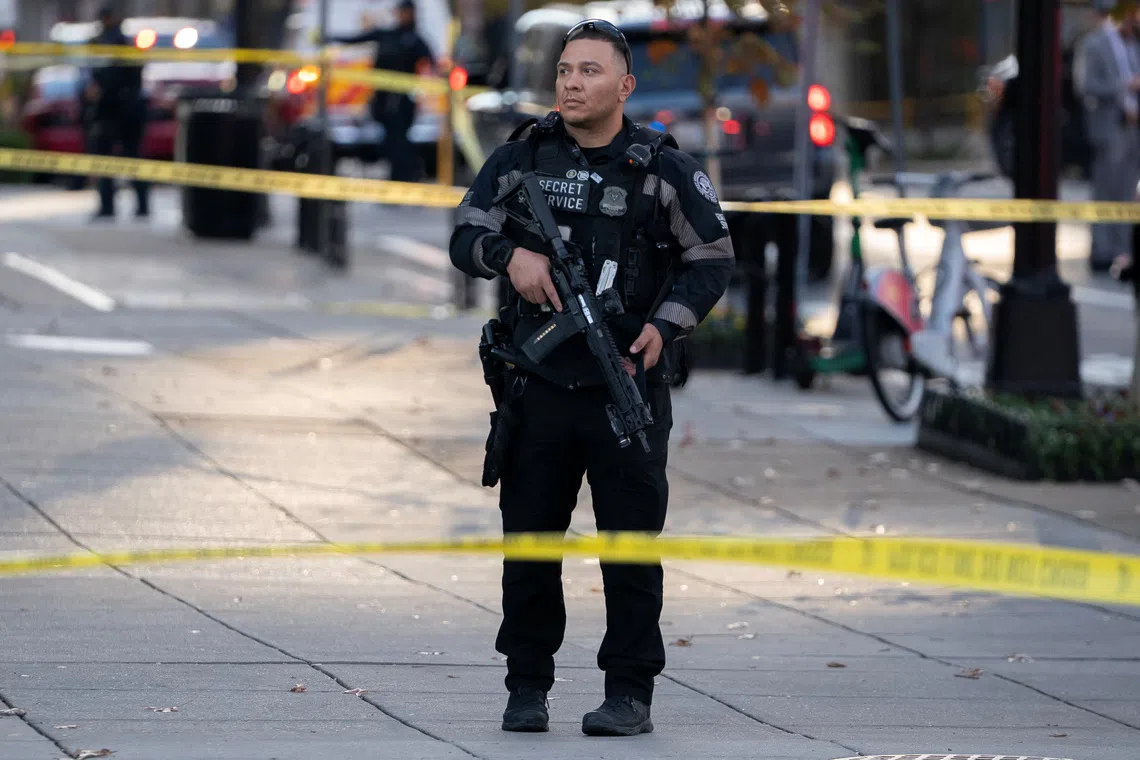
Following a DC shooting by an Afghan man, the US indefinitely halted Afghan immigration processing. This decision impacts thousands in Pakistan, fearing Taliban
US Halts Afghan Immigration Processing After DC Shooting, Leaving Thousands in Limbo
In a move that has sent shockwaves through the Afghan community, the United States has indefinitely suspended all immigration processing for Afghan nationals. This drastic decision, announced by U.S. Citizenship and Immigration Services (USCIS), came just hours after a shooting incident near the White House in Washington, D.C., where an Afghan man critically wounded two National Guard soldiers.
A Path to Safety Shut Down
For tens of thousands of Afghans who fled the Taliban regime and have been patiently awaiting U.S. resettlement decisions, this announcement feels like the definitive closure of their last remaining path to safety. Many, like 34-year-old Ahmad Samim Naimi from Afghanistan's Panjshir province, had worked under the previous U.S.-backed government as a TV presenter and press adviser. Naimi, now sheltering in Pakistan, applied for resettlement after the Taliban began targeting journalists and former government workers. He fears that returning to Afghanistan would mean certain arrest or even death.
Increased Peril in Pakistan
The situation for Afghans in Pakistan has become increasingly precarious. Pakistani authorities have intensified a crackdown on individuals lacking formal refugee status, leading to the deportation of over half a million Afghans in the past year. Even those with valid visas or UNHCR documents report harassment, evictions, and demands for bribes at checkpoints, exacerbating the desperation of those awaiting a U.S. decision. Neither Pakistani nor Afghan ministries have responded to inquiries regarding these escalating challenges.
Taliban Rule and Persistent Dangers
Despite the Taliban's assertions that Afghanistan is now peaceful and safe for returnees, human rights organizations paint a grim picture. They warn that former government employees, journalists, soldiers, and anyone associated with Western forces face severe risks, including detention, forced disappearance, or execution under Taliban rule. Furthermore, women continue to endure pervasive restrictions on their movement, employment, and access to education.
A 40-year-old former civil servant from Kabul, currently residing in Pakistan and whose identity remains confidential for security reasons, expressed profound despair. He stated that the processing freeze has dismantled the future he meticulously planned for his family, reiterating that he cannot expose them to the "risk of destruction" by returning home.
The Washington Incident and Broader Implications
The alleged Washington gunman, identified as 29-year-old Rahmanullah Lakanwal, reportedly arrived in the U.S. under Operation Allies Welcome and was granted asylum earlier this year. Authorities note he had served in the Afghan army and had no prior criminal record. This single incident has had sweeping repercussions, affecting a vast population of vulnerable individuals.
Shawn VanDiver, president of AfghanEvac, a volunteer group dedicated to assisting Afghans who aided U.S. forces, highlighted the severity of the situation. Since 2021, approximately 200,000 Afghans have arrived in the U.S. through refugee and special visa programs after extensive vetting. However, another 265,000 Afghans are still undergoing processing abroad, including about 180,000 in the Special Immigrant Visa pipeline. Many are in transit countries like Pakistan, Qatar, and North Macedonia, while others remain trapped within Afghanistan.
VanDiver emphasized that these individuals, many of whom served alongside U.S. forces or supported U.S.-funded projects (P1 and P2 status applicants), "don't deserve this" and are merely seeking an opportunity for a better life. He warned that the halt would inflict considerable damage across the Afghan community.
Hope remains for a reversal of the decision. Ahmad Samim Naimi voiced the collective sentiment, expressing his hope that Washington will "reconsider the cases of those with P1 and P2 status and restart the process," offering a lifeline to those who risked everything for a connection to the United States.
By news
6 months ago