NZ Firefighters Strike Amid FENZ Standoff: Demands for Better Pay, Equipment, Cancer Support & Safer Conditions
Nov 28, 2025
 New Zealand
Labor Dispute
New Zealand
Labor Dispute
New Zealand
Labor Dispute
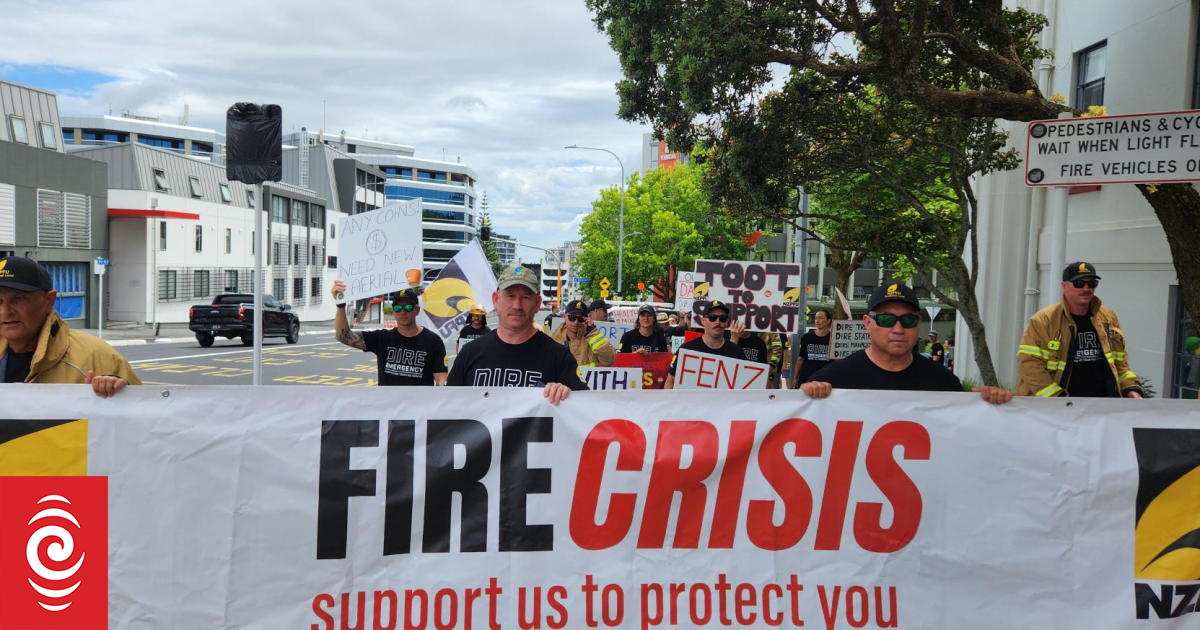
New Zealand firefighters strike over stalled FENZ negotiations, demanding better pay, safer equipment, and presumptive cancer legislation. Protests highlight di
New Zealand Firefighters Strike Amid Standoff Over Pay, Conditions & Cancer Risks
Paid firefighters across New Zealand have initiated a one-hour nationwide strike, escalating tensions with Fire and Emergency New Zealand (FENZ) as negotiations over pay and critical work conditions remain deadlocked. The industrial action, involving approximately 2,000 members of the Professional Firefighters' Union (NZPFU), saw firefighters walk off the job between 12-1 pm, demanding significant improvements beyond just wage increases.
Auckland Protest Highlights Systemic Failings
A focal point of the dispute was a vivid protest in central Auckland, where around 60 firefighters marched from their Pitt Street station to Karangahape Road. Amidst the sweltering heat, their banners highlighted a litany of concerns: a dilapidated fleet, inadequate equipment, and severe staffing shortages. One powerful banner declared, "Dire trucks, dire station, dire management, dire straights," encapsulating their frustration.
Union delegate Adam Wright underscored that the protest's scope extended far beyond mere pay. He revealed alarming statistics, citing a conservative estimate of 800 fire truck breakdowns in Auckland alone over a 12-month period. This critical equipment failure, he warned, compromises their ability to perform their duties safely and effectively. Another unnamed Auckland firefighter echoed these concerns, stating, "I don't know if the public realises that our equipment fail us constantly and we have to ad hoc repair them on the go, so that we can do our jobs."
Fighting for Health: Presumptive Cancer Legislation
Beyond operational challenges, a profound health crisis is at the heart of the firefighters' demands. Wright highlighted the increased susceptibility of firefighters to certain cancers due to continuous exposure to carcinogens on the job. With several colleagues recently diagnosed and five currently undergoing cancer treatment, the union is pushing for "presumptive cancer legislation." This would legally recognise specific cancers as work-related illnesses, granting affected firefighters the support they desperately need, bypassing the current arduous process of challenging the ACC toxicology panel.
FENZ's Stance and Public Safety Concerns
FENZ Deputy National Commander Megan Stiffler acknowledged the strike, assuring the public that 111 calls would still be answered and fires in affected areas would be covered by volunteers. However, she conceded that delays were possible. Stiffler also noted that volunteer crews would be unable to respond to medical calls outside their usual areas during the strike hour. While branding the strike as "putting public safety at risk," she maintained that the vast majority of communities, served by over 11,000 volunteers across nearly 600 stations, would remain unaffected.
FENZ's offer to the union stands at a 6.2 percent increase over three years, which Stiffler described as "a fair and sustainable increase," consistent with other public service settlements. FENZ has sought facilitation from the Employment Relations Authority (ERA) to bring the parties together, questioning the necessity of a strike while this process unfolds. They claim the NZPFU's recent settlement proposal is three times their offer.
Union Rebuttal: Refusal to Negotiate and Systemic Failings
However, NZPFU national secretary Wattie Watson strongly refuted FENZ's narrative. Watson asserted that the union had diligently sought a resolution, but FENZ has refused to budge or agree to new bargaining dates, insisting solely on meeting under ERA facilitation. Watson accused FENZ of attempting to present distorted information to the ERA, pushing a 260-page restructure document that proposes culling approximately 160 jobs without union consultation, and failing to address serious asbestos risks in Auckland. The union maintains that FENZ is consistently failing the community with a deteriorating fleet and its inability to replace closed stations or those with poor earthquake ratings, creating a significant disconnect between leadership and frontline personnel.
By news
6 months ago
No cameras found for this country.