Hong Kong Fire Incident Challenges China's Governance & Stability Amidst Tensions
Nov 28, 2025
 Hong Kong S.A.R.
Politics
Hong Kong S.A.R.
Politics
Hong Kong S.A.R.
Politics
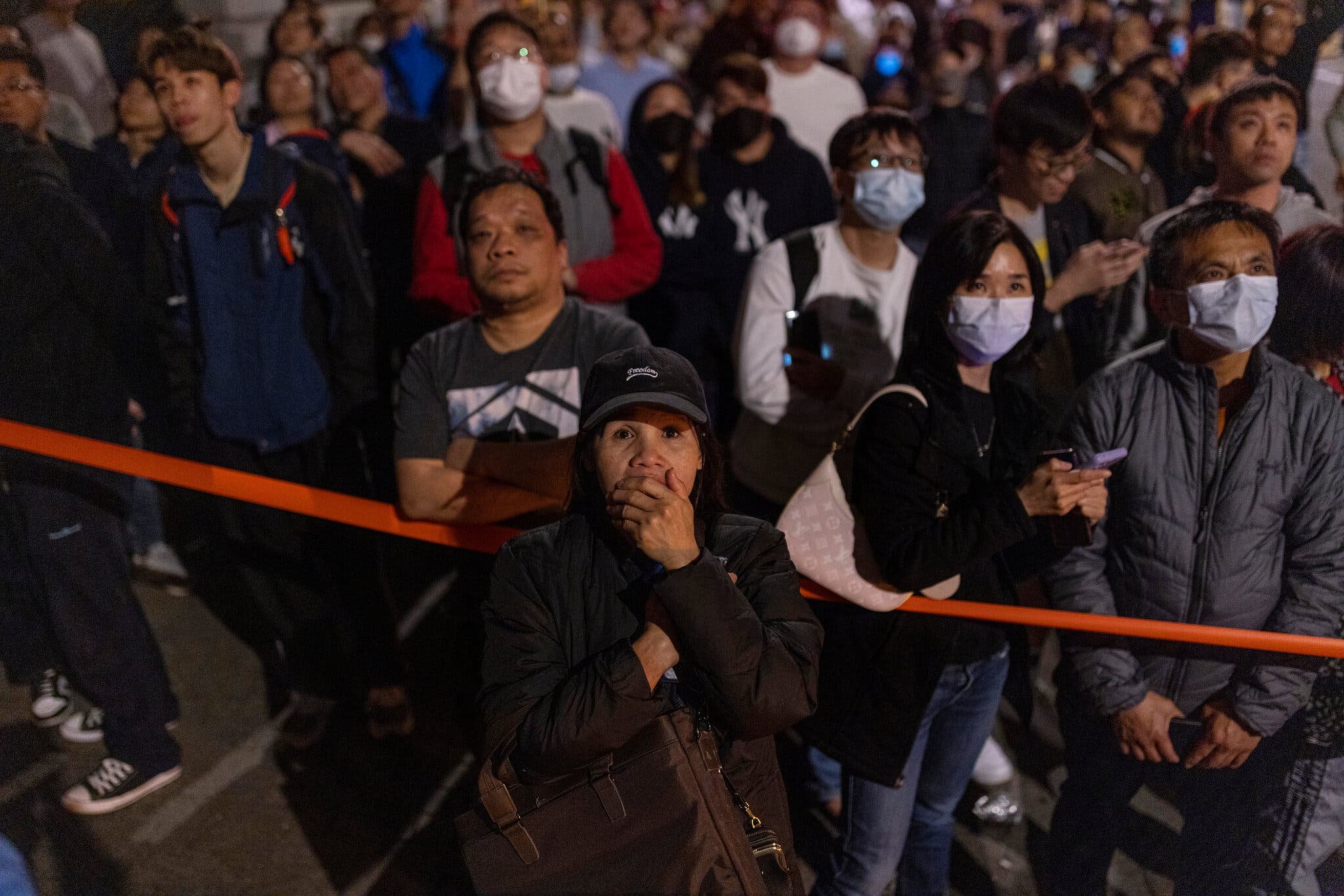
A recent fire in Hong Kong puts Beijing's control to the test, highlighting governance challenges and public sentiment amidst ongoing political sensitivities.
Hong Kong Fire Tests Beijing's Grip Amidst Governance Scrutiny
A significant fire incident in Hong Kong has recently cast a spotlight on the city's operational resilience and, more broadly, on Beijing's increasingly asserted governance. While the immediate aftermath involves assessing damage and ensuring public safety, analysts suggest that such events serve as crucial litmus tests for the authorities' ability to manage crises effectively under China's evolving political framework for the Special Administrative Region.
Crisis Management Under the Political Lens
The incident, though primarily a local emergency, quickly escalated into a discussion point regarding the perceived efficacy of the Hong Kong government and, by extension, Beijing's influence. Observers note that in a politically sensitive environment, every major incident is scrutinized for its handling and potential ramifications on public confidence. The swiftness of emergency response, the transparency of official communication, and the efficiency of recovery efforts are all critical indicators.
Implications for 'One Country, Two Systems'
For China, maintaining stability and demonstrating effective governance in Hong Kong is paramount. Events like this fire provide an unplanned opportunity for the local administration to showcase its autonomy and competence or, conversely, to highlight areas where central government directives might either assist or complicate rapid response. The way Hong Kong navigates such challenges is seen as a barometer of its ability to uphold its unique status while adhering to Beijing's overarching authority.
Urban Challenges and Public Accountability
The incident also brings to the forefront urban development challenges, particularly in densely populated areas. Safety regulations, infrastructure maintenance, and disaster preparedness become key themes, influencing public perception of both local and central government accountability. As Hong Kong continues to integrate more deeply with mainland China, the handling of local crises carries magnified political weight, echoing broader narratives about the 'one country, two systems' principle and its practical application.
By news
6 months ago
No cameras found for this country.