Trump Proposes Permanent Migration Pause for 'Third World Countries' After DC Shooting Incident
Nov 28, 2025
 United States
Politics
United States
Politics
United States
Politics
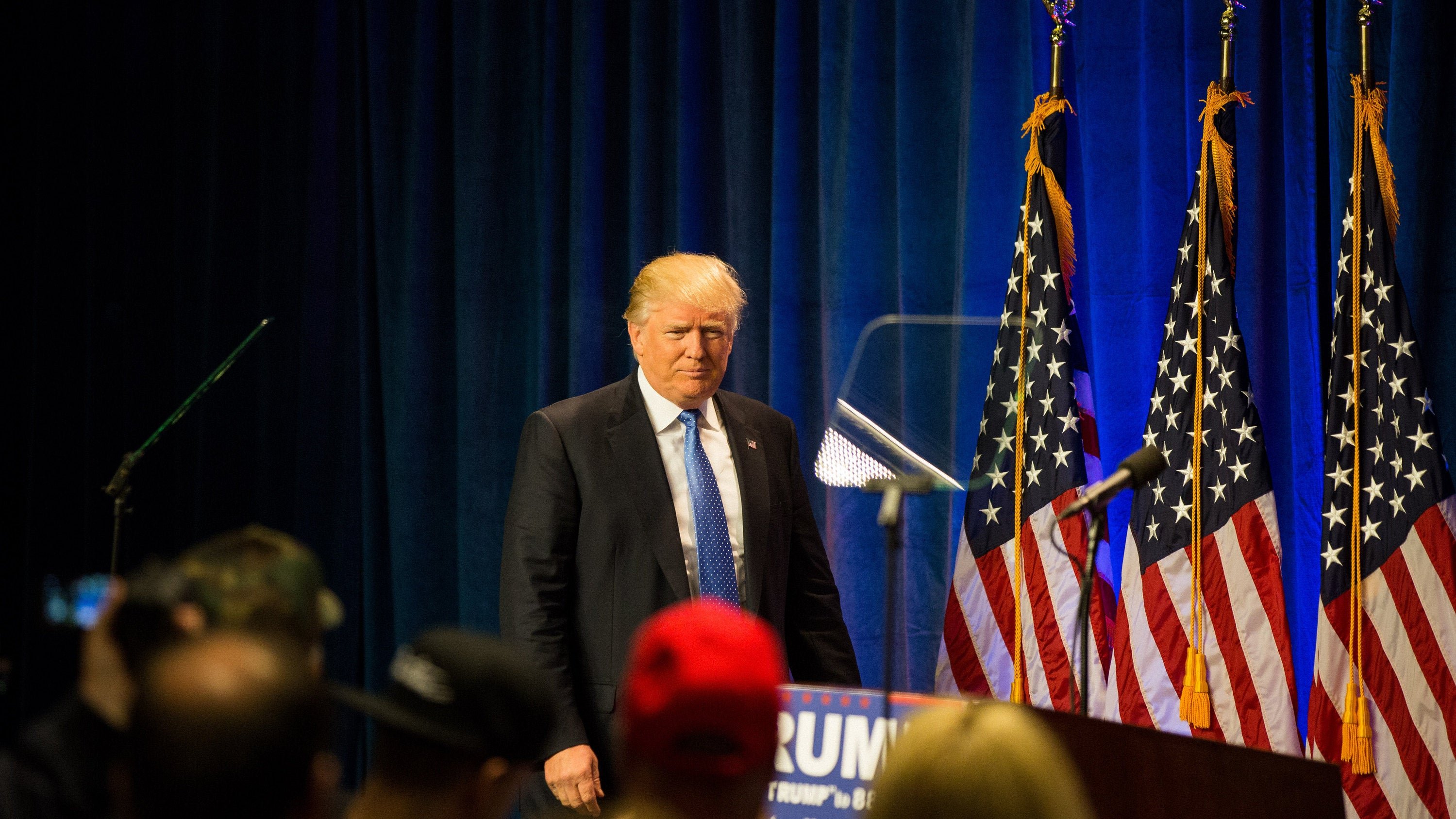
Following a recent incident in Washington D.C., former President Trump reportedly proposes a permanent halt to migration from 'third-world countries.'
Trump Proposes Permanent Migration Halt from 'Third World Countries' Post-DC Incident
Following a recent incident in Washington D.C., former President Donald Trump has reportedly unveiled a highly controversial proposal, advocating for a permanent halt to migration from what he termed 'third-world countries.' The announcement, made in the aftermath of a notable shooting event in the nation's capital, signals a potential dramatic shift in U.S. immigration policy should he return to office.
The Controversial Proposal Unveiled
The former President's remarks suggest a renewed focus on stringent border control and a drastically altered approach to global migration. While specific details regarding the categorization of 'third-world countries' and the mechanisms for implementing such a pause were not immediately clarified, the broad nature of the proposal has already ignited a firestorm of debate among political analysts, human rights organizations, and international bodies.
Implications and Reactions
Observers are quickly dissecting the implications of such a policy. Critics argue that a blanket ban based on a nation's economic development status could violate international human rights laws and would be discriminatory. Proponents, however, might view this as a necessary measure for national security and to alleviate perceived pressures on domestic resources and infrastructure.
Context of Trump's Immigration Stance
Historically, discussions around immigration have been a cornerstone of Trump's political platform. This latest statement, connecting a domestic security event with a broad-ranging immigration overhaul, underscores his continued commitment to policies aimed at drastically reducing immigration flows into the United States. The proposal is expected to become a significant point of contention in future political discourse, shaping discussions on national identity, global responsibility, and the future direction of U.S. foreign and domestic policy.
By news
6 months ago