China Fishing Boat Tragedy: Cover-Up Exposes Widespread Corruption in Industry Safety & Officials in Liaoning
Nov 28, 2025
 China
Investigations
China
Investigations
China
Investigations
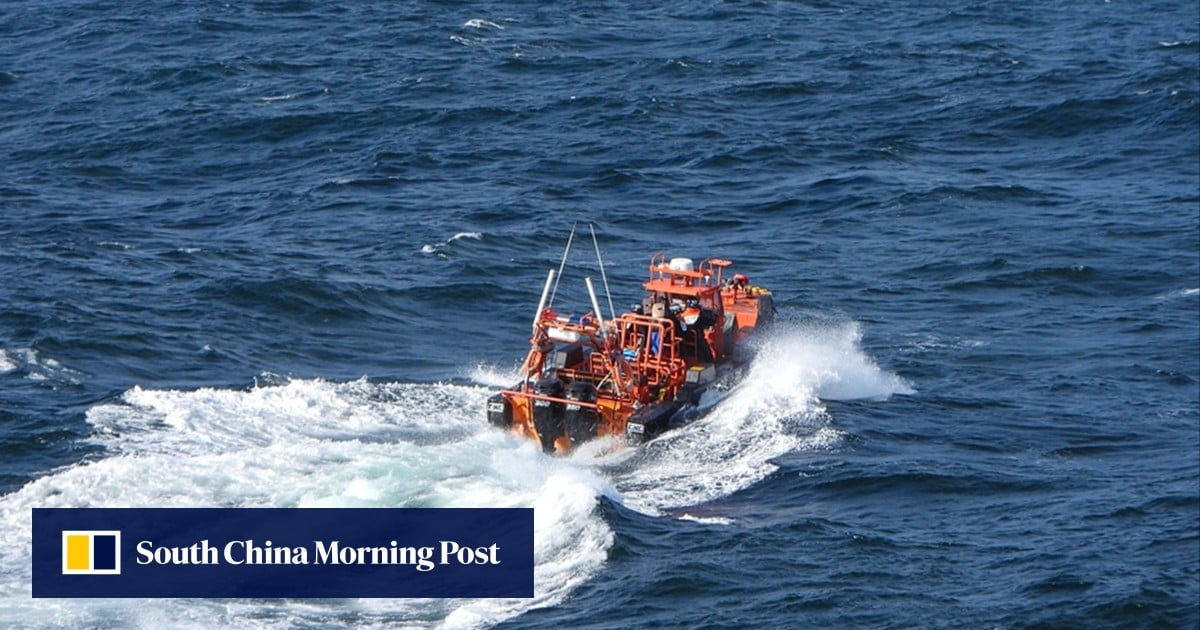
An investigation into a fishing boat capsizing in China's Liaoning province reveals a deadly cover-up by officials and systemic corruption in the fishing indust
China Fishing Boat Tragedy Uncovers Deep-Seated Corruption & Official Cover-Up
A tragic fishing boat accident off China's coast has unraveled a complex web of corruption, exposing illegal practices and official misconduct within the nation's fishing industry. Investigations triggered by a capsizing in Liaoning province not only brought to light the immediate circumstances of the disaster but also a concerted effort by local authorities to conceal the truth.
The Fatal Incident in Yingkou
On November 10, a fishing vessel registered in Yingkou, Liaoning, met with disaster, overturning in the waters with crew members on board. Of the 11 individuals who fell into the sea, only two were rescued, while a distressing nine remain missing. This somber event quickly escalated into a major scandal as subsequent inquiries by the Liaoning Daily and other official bodies unearthed significant irregularities.
Breaches of Safety & Systemic Fraud
At the heart of the scandal is the boat owner, surnamed Zheng, who is accused of flagrantly circumventing safety regulations. He allegedly utilized the qualifications of others to bypass essential safety inspections and, even more critically, permitted two individuals lacking valid crew certificates to participate in the offshore fishing operation. These breaches rendered the vessel unfit for sea, creating severe safety hazards that likely contributed to the tragedy. Zheng was detained by local police on November 16.
Official Cover-Up Attempts
The cover-up attempts following the incident were equally alarming. A party secretary from a local district fisheries and marine bureau, identified as Xu, stands accused of actively delaying rescue efforts. Furthermore, Xu, along with a staff member named Chi, allegedly pressured the boat owner, Zheng, against reporting the incident to the police, orchestrating a deliberate attempt to suppress the full extent of the accident and its causes. Both Xu and Chi are reportedly awaiting trial, facing charges related to their roles in the obstruction of justice.
Broader Implications and Ongoing Investigations
The revelations paint a grim picture of systemic failures, ranging from fraudulent approval processes for fishing expeditions to direct interference by officials seeking to protect illegal operations. This incident in Yingkou echoes broader concerns; just a day after the capsizing, the Chinese embassy in South Korea reported two similar fishing vessel accidents in nearby waters, resulting in two fatalities and twelve missing. One of these incidents aligns with the details of the Yingkou tragedy, suggesting a potentially wider issue. The ongoing investigations underscore a critical need for reform and stricter enforcement within China's vast and often opaque fishing sector to prevent future tragedies and restore public trust.
By news
6 months ago
No cameras found for this country.