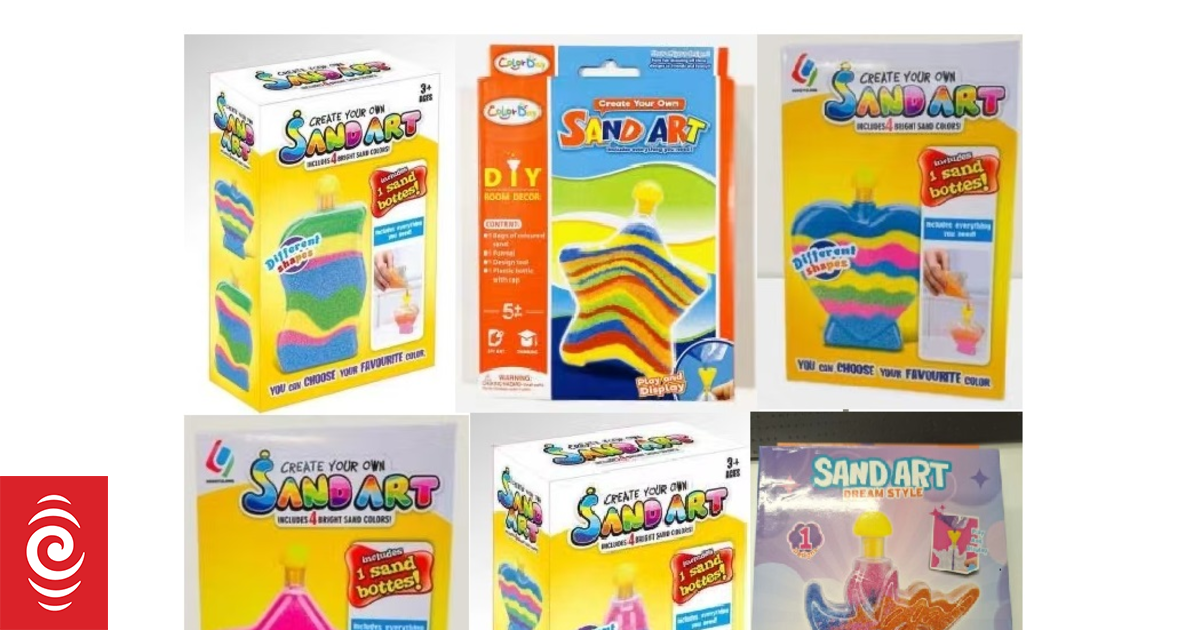
Anxiety plagues parents across New Zealand following the discovery of asbestos contamination in popular children's coloured play sand products, sparking widespread recalls and deep concerns over long-term health implications. The rolling recalls, notably affecting Kmart play sand, have cast a shadow over imported children's goods, prompting calls for stricter safety checks and greater retailer accountability.
A Nightmare Unfolds for Families
For many, the news hit home with shocking immediacy. Amber Nordmeyer's world turned upside down when Kmart play sand recall numbers flashed across her TV, matching the buckets she'd bought five years prior. "I haven't been able to sleep for over a week," she recounted, describing the "extreme" panic and nausea she felt. Nordmeyer, like many others, immediately sent a sample for testing, incurring a $287 cost, and now fears widespread contamination within her home.
Keren Lee, a parent from Lower Hutt, shared similar distress. Having purchased Kmart coloured sand for her young children two years ago, she anxiously awaited test results. With tests confirming asbestos presence, Lee faces the daunting prospect and cost of professional home testing and remediation. She highlighted the critical lack of clear guidance for families who have had the sand in their homes, played with, and even vacuumed up, questioning the extent of long-term exposure and potential spread. The incident has made her hesitant to purchase imported toys again.
Wellington parent Matt Newman-Hall's children’s Kmart unicorn sand kits also tested positive for asbestos. He is actively seeking answers and demanding accountability from Kmart, requesting reimbursement for testing costs and clarity on their broader action plan. Newman-Hall voiced significant worries about the long-term health impacts on his children, even questioning potential effects on their future health and life insurance.
The Burden of Proof and the Fight for Justice
The financial burden of testing is a recurring theme. Waikato parent Jessica Jordan initially received a quote of $3000 for home asbestos testing. While one of her tests thankfully came back negative, and her neighbour managed to reduce their testing cost to $1000 after seeking other options, the initial figures underscore the significant unbudgeted expense families are facing. Jordan revealed that a group of affected parents are now considering a class action lawsuit if they are not adequately reimbursed, recognizing it as a potentially "very expensive process" without litigation funding or dedicated legal representation.
Consumer Rights and Retailer Responsibility
Under New Zealand's Consumer Guarantees Act, buyers are entitled to a refund, along with the costs of testing and cleaning, if a product is deemed unsafe. The Ministry of Business, Innovation and Employment (MBIE) has affirmed that retailers bear the responsibility for selling safe products and reiterated that products containing asbestos are prohibited from import without a specific permit. Despite these legal provisions and calls for clarity, Kmart has yet to respond to inquiries for comment, leaving many parents in limbo and frustrated. The ongoing saga continues to raise vital questions about consumer protection and the rigorousness of safety checks on imported goods destined for children.