
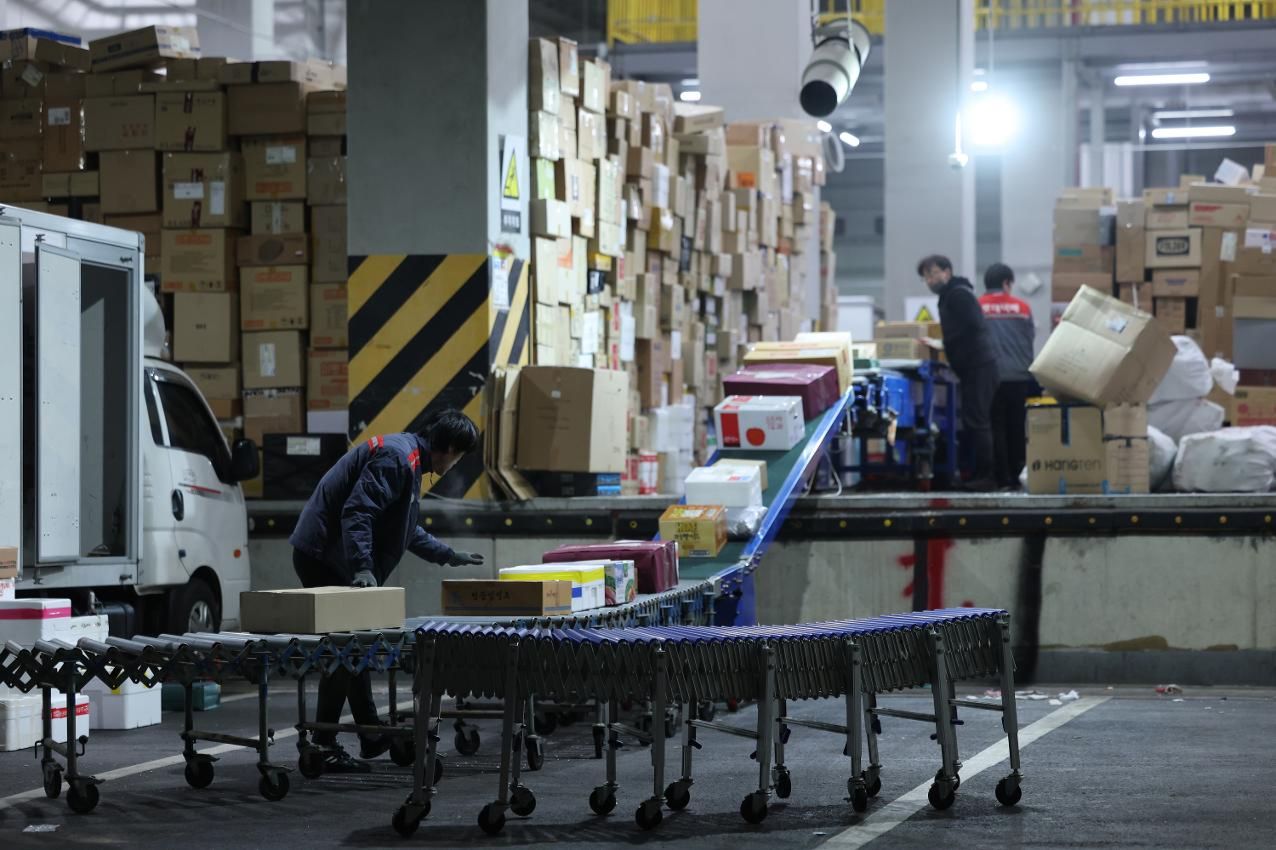
South Korea Grapples with Overnight Delivery Ban Proposal: Public Outcry Mounts
A controversial proposal by South Korea's ruling Democratic Party of Korea (DPK) to abolish overnight delivery services has ignited a firestorm of opposition from working families and small business owners across the nation. The move, intended to address critical labor issues, is being met with a burgeoning public petition that highlights the vital role these services play in daily life and commerce.
A Growing Petition Demands Consideration
The online petition, launched on November 13th by a self-identified working mother, emphasizes the critical role of overnight services for last-minute needs – be it school supplies or essential business goods. It urges lawmakers to consider the broader public sentiment beyond specific interest groups and to devise "realistic alternatives" that genuinely address the needs of all affected parties. If the petition garners 50,000 signatures by December 13th, it will automatically be sent to the relevant parliamentary committee for review.
Addressing Worker Safety and Overwork
The DPK's push for the ban stems from a social dialogue body on delivery services, which recommended the measure following the tragic death of a Coupang worker, suspected to be linked to overwork. This body, which includes unionized workers affiliated with the powerful Korean Confederation of Trade Unions, argues that the increasing popularity of overnight services has exacerbated workloads and health risks for delivery personnel. Labor groups advocate for reduced nighttime operations and stricter measures to prevent overwork-related fatalities.
The concerns are echoed by Minister of Employment and Labor Kim Young-hoon, who recently highlighted the inherent dangers of night shift work, citing the International Agency for Research on Cancer's classification of it as a Group 2 carcinogen. The minister stressed the need for a comprehensive public discourse on the necessity of these services balanced against the potential health risks to workers, underscoring the complex social and economic trade-offs at play.