Trump Blames Biden's Afghan Refugee Program for D.C. National Guard Shooting | Vetting Controversy Deepens
Nov 28, 2025
 United States
National Security
United States
National Security
United States
National Security
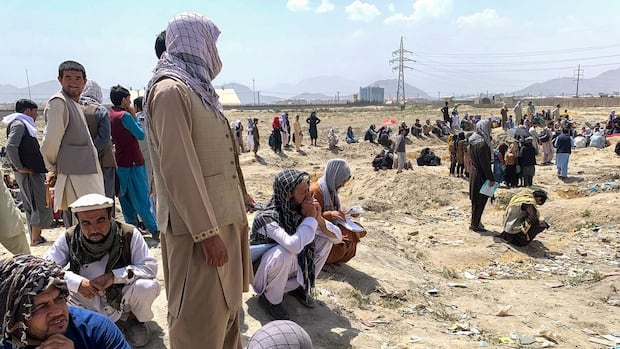
Trump White House links D.C. National Guard shooting to Biden's Operation Allies Welcome, sparking debate over Afghan refugee vetting. Suspect Rahmanullah Lakan
A recent shooting in Washington, D.C., involving a suspect who arrived in the U.S. through the Biden-era Operation Allies Welcome (OAW) program, has reignited a fierce political debate over national security and immigrant vetting procedures. The Trump White House has swiftly blamed the 2021 initiative for the incident, intensifying scrutiny on how Afghan nationals were brought into the country following the U.S. troop withdrawal.
The D.C. Shooting and Its Political Aftermath
On a Wednesday in Washington, D.C., two National Guard members were shot, with one tragically succumbing to their injuries. Authorities identified the suspect as 29-year-old Rahmanullah Lakanwal. Department of Homeland Security (DHS) Secretary Kristi Noem confirmed that Lakanwal entered the U.S. on September 8, 2021, under Operation Allies Welcome. Interestingly, while Lakanwal applied for asylum during former President Joe Biden's tenure, his application was approved in April under the current Trump administration. CIA Director John Ratcliffe also verified Lakanwal's past association with the U.S. government, including the CIA, as part of a "partner force in Kandahar."
In the wake of the shooting, the Trump administration has been vocal in its criticism of OAW. President Trump himself and other officials have asserted that the program offered inadequate security vetting for entrants. The administration announced it has ceased processing immigration applications from Afghanistan and is conducting a thorough review of all asylum cases approved during the Biden administration, citing concerns about "massive scale" vetting failures, as stated by DHS Assistant Secretary Tricia McLaughlin.
Understanding Operation Allies Welcome
Operation Allies Welcome was established by then-President Joe Biden in August 2021, amidst the Taliban's rapid takeover of Afghanistan and the subsequent U.S. troop withdrawal. The program's primary objective was to facilitate the safe relocation of Afghan nationals who had supported the U.S. during the two-decade war, particularly interpreters and translators facing imminent threats of reprisal from the Taliban regime.
Individuals entering the U.S. through OAW were initially granted two years of humanitarian parole, a temporary status allowing foreign nationals entry for emergency or urgent humanitarian reasons. They were subsequently expected to apply for asylum to secure long-term residency. Many were processed at "safe havens" across the country, managed in collaboration with resettlement agencies, before being helped by non-governmental organizations to integrate into communities. A significant portion, over 40 percent, were eligible for Special Immigrant Visas (SIVs) due to their critical support for U.S. efforts. Ultimately, OAW and its successor, Enduring Welcome, oversaw the resettlement of approximately 190,000 Afghans in the U.S.
The Vetting Process: Promises vs. Concerns
DHS maintained that the vetting process for OAW participants involved comprehensive "biometric and biographic screenings," including reviewing fingerprints, photos, and other data for "every single Afghan" before their travel clearance. Upon arrival, individuals underwent primary inspections at U.S. airports, with secondary inspections conducted as needed by intelligence, law enforcement, and counterterrorism professionals from various U.S. security agencies.
Despite these assurances, the vetting process faced early and persistent criticism. Republicans, including Sen. Joni Ernst of Iowa and 15 co-signing senators, voiced concerns as early as October 2021, suggesting that "hastily developed" procedures created "gaps in security and criminal vetting." They urged a pause on further relocations of Afghan evacuees unless they were fully vetted with SIVs.
Government reports later substantiated some of these worries. A September 2022 DHS Inspector General report indicated that Homeland Security sometimes lacked crucial data for proper screening, vetting, or inspection of all Afghan evacuees. It also highlighted issues with inaccurate, incomplete, or missing information such as names, dates of birth, and travel document data. Another report from the same month revealed difficulties in tracking evacuees who did not remain in safe havens and a lack of efforts to verify their compliance with parole conditions. Former Republican Sen. Rob Portman cited these reports as evidence of increased threats due to the Biden administration's "catastrophic evacuation" lacking rigorous vetting.
A Call for Perspective
In response to the current controversy, Shawn VanDiver, president of #AfghanEvac, an organization assisting Afghan wartime allies, condemned the violence while stressing that Afghan immigrants undergo "some of the most extensive security vetting of any population entering the country." He urged against allowing "this individual's isolated and violent act" to "define or diminish an entire community." This statement underscores the delicate balance between national security concerns and the imperative not to stigmatize a broader group based on the actions of one individual.
By news
6 months ago