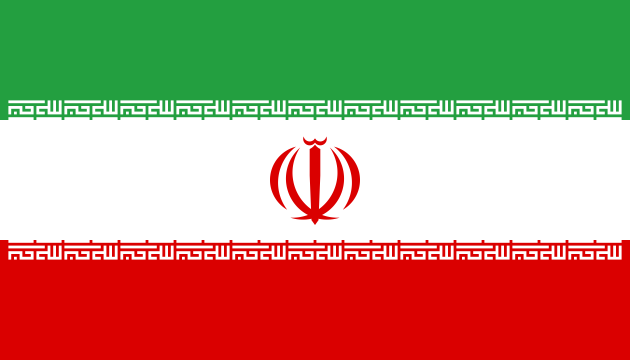
Iran Withdraws from FIFA 2026 World Cup Draw Amid US Visa Dispute
The Iranian football federation has declared its intention to boycott next week's FIFA 2026 World Cup finals draw in Washington D.C. This decision stems from the United States' alleged refusal to issue visas to several key members of its delegation, including Mehdi Taj, the president of the Iranian football federation.
Announced on Friday, the federation's stance was communicated to state television by a spokesperson. "We have informed FIFA that the decisions taken have nothing to do with sports," the spokesperson stated, adding, "and the members of the Iranian delegation will not participate in the World Cup draw."
Political Standoff Impacts Sports Arena
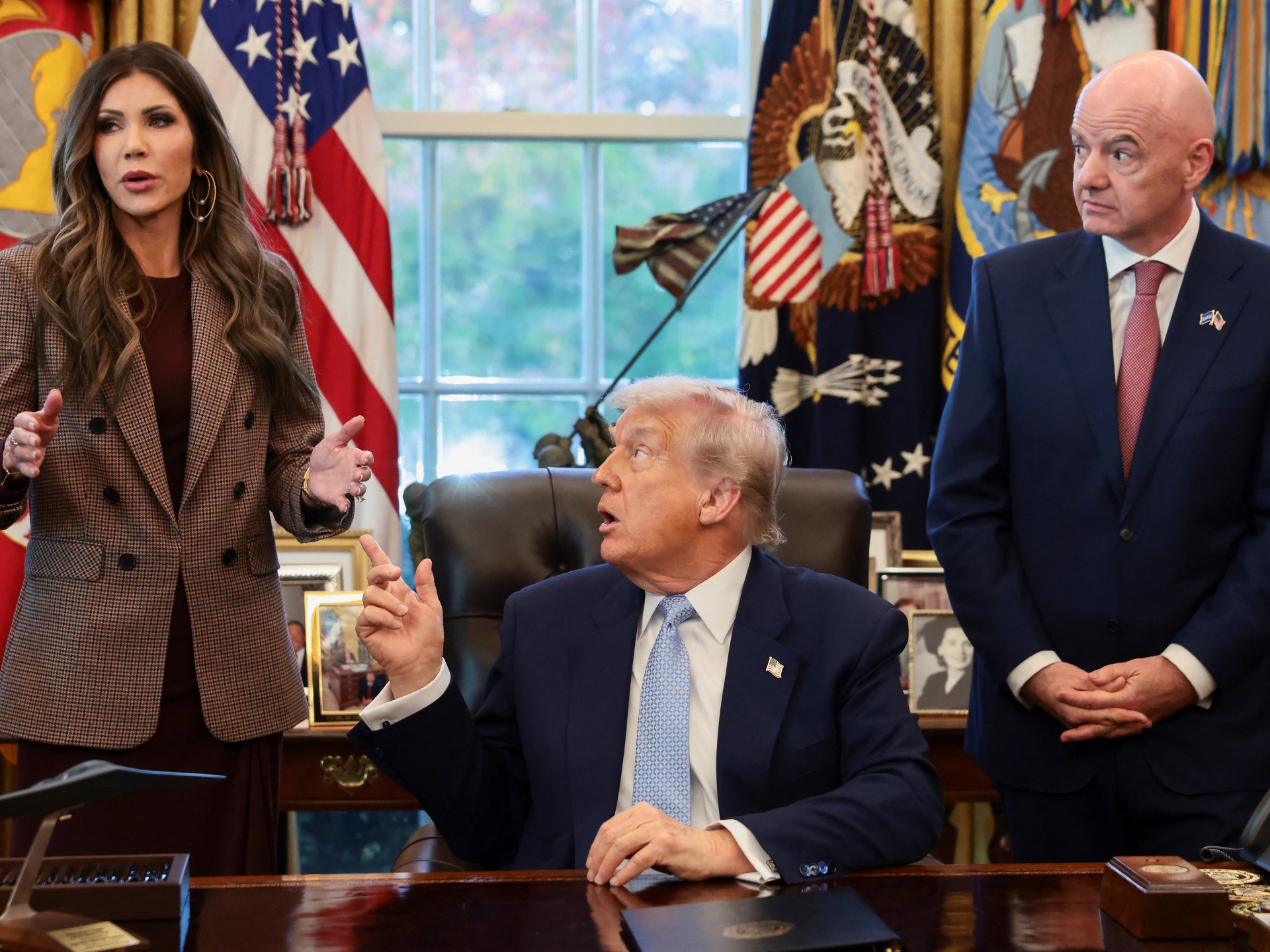
The controversy began to unfold earlier in the week when Iranian sports website Varzesh 3 reported on Tuesday that the US had declined visas for several delegates. Federation president Mehdi Taj publicly condemned the US decision on Thursday, unequivocally labeling it "purely political." Taj emphasized that FIFA President Gianni Infantino had been informed of this perceived political interference, urging the global football governing body to intervene and compel the US to reconsider its actions.
While certain individuals, such as national team coach Amir Ghalenoei, were reportedly granted visas for the December 5 draw, the exclusion of core leadership led to the federation's definitive withdrawal from the event.
A History of On-Field Rivalry and Persistent Off-Field Tensions
Iran secured its qualification for the quadrennial football showpiece in March, marking its fourth consecutive and seventh overall appearance. Despite a consistent presence, the team has yet to advance beyond the group stages. Memorable moments include their historic 2-1 victory over the USA in the 1998 finals in France, a win widely celebrated across Iran. The US later avenged this defeat with a 1-0 win in the 2022 edition.
The upcoming World Cup, co-hosted by the US, Canada, and Mexico, inadvertently casts a spotlight on the deep-seated political animosity between Washington and Tehran, a loggerhead relationship that has persisted for over four decades. While recent high-level nuclear talks between Tehran and Washington, which commenced in April, aimed to address disagreements over Iran's right to enrich uranium, these discussions abruptly concluded in mid-June. This cessation followed an unprecedented 12-day war triggered by an Israeli bombing campaign against Iran, which briefly saw US involvement through strikes on key Iranian nuclear facilities. This latest visa dispute serves as a stark reminder of how persistent geopolitical challenges frequently extend into non-political spheres, such as international sports.