ICC Appeals Judges Deny Duterte's Release on Health Grounds Amid Crimes Against Humanity Charges in The Hague
Nov 28, 2025
 Philippines
International Justice
Philippines
International Justice
Philippines
International Justice
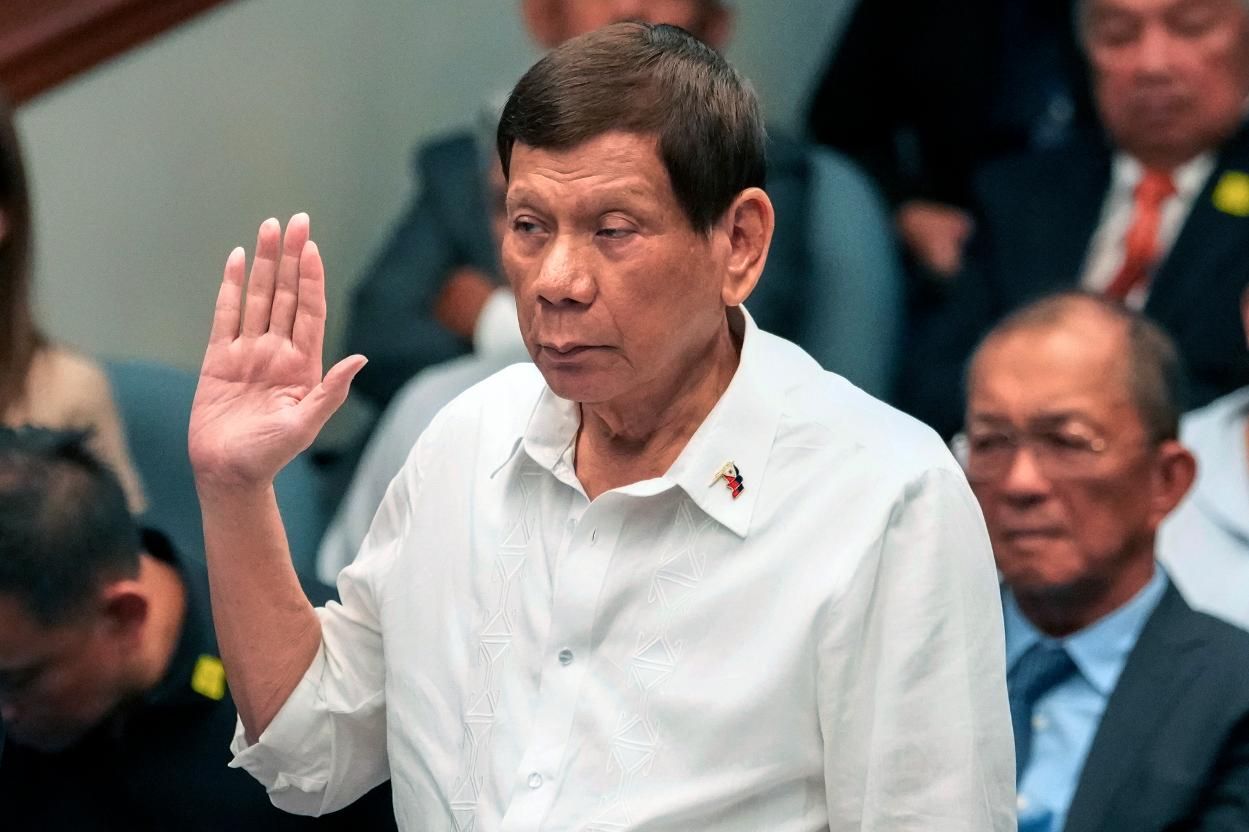
ICC appeals judges rejected former Philippine President Rodrigo Duterte's release on health grounds. He faces crimes against humanity charges for his "war on dr
ICC Upholds Detention: Duterte's Release Bid on Health Grounds Denied
The International Criminal Court (ICC) has firmly rejected former Philippine President Rodrigo Duterte's appeal for provisional release, citing the significant risk of flight and potential witness intimidation. Appeals judges in The Hague affirmed an earlier decision to keep the octogenarian leader in custody, where he faces grave charges of crimes against humanity related to his controversial "war on drugs."
Defense Arguments on Health and Cognitive Decline Rejected
Duterte's legal team had sought his release primarily on health grounds, asserting that the former president is "infirm and debilitated" and experiencing cognitive decline, which they claimed impaired his ability to assist effectively in his own defense. They proposed transferring him to the custody of an undisclosed member state while court proceedings continued. However, Judge Luz del Carmen Ibáñez Carranza, addressing the full courtroom, stated that the defense failed to demonstrate that the lower chamber's October decision was unreasonable. The appeals judges concurred that the risks associated with Duterte's release could not be adequately mitigated by the proposed transfer to another country's custody.
Charges Stemming from the "War on Drugs"
The serious allegations against Duterte stem from his alleged instruction and authorization of widespread violent acts, including murder, specifically targeting suspected drug dealers and users during his tenure. These charges encompass a period from November 1, 2011, when he served as mayor of Davao City, up to March 16, 2019, the date the Philippines officially withdrew from the ICC. Estimates of the death toll from his brutal anti-drug campaign vary widely, with official police figures reporting over 6,000 fatalities, while human rights organizations claim the number could tragically reach as high as 30,000. Families of victims have largely supported Duterte's arrest, which took place in March.
Jurisdictional Challenges and Philippines' Withdrawal
This latest ruling follows previous unsuccessful attempts by Duterte's legal team to challenge the ICC's jurisdiction and his administration's controversial decision to withdraw the Philippines from the court. In February 2018, shortly after the ICC announced a preliminary investigation into the drug war violence, Duterte, then president, initiated the withdrawal. This move was widely perceived by human rights activists as an attempt to evade accountability. Nevertheless, ICC judges have consistently ruled that countries cannot "abuse their right to withdraw from the Rome Statute" – the court's founding document – to shield individuals from justice when alleged crimes are already under consideration. The court further reiterated in 2023 that its investigation could resume, decisively rejecting arguments that Philippine authorities were adequately addressing the same allegations domestically. Duterte's lawyers have also appealed this fundamental jurisdictional decision, indicating a prolonged and complex legal battle ahead.
By news
7 months ago
No cameras found for this country.