Trump Vows "Permanent Pause" on Migration from Developing Nations After D.C. National Guard Attack
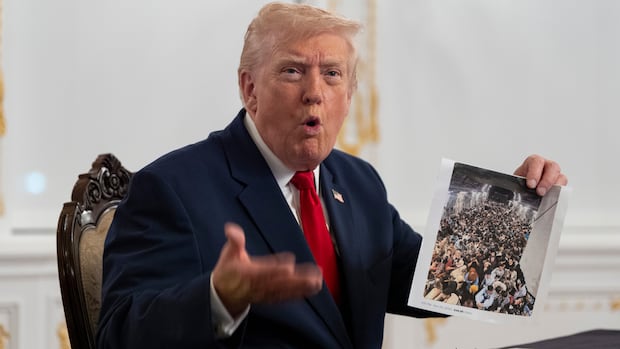
In a dramatic policy declaration following a deadly attack near the White House, U.S. President Donald Trump announced his administration would enact a "permanent pause" on migration from "Third World Countries." The statement, delivered via a late-night social media post, directly attributed the incident to alleged failures in immigration vetting during the previous Biden administration and proposed "reverse migration" as a necessary solution for the nation's challenges.
Details of the D.C. National Guard Attack
The catalyst for this intensified stance was Wednesday's tragic shooting in Washington, D.C., which targeted two National Guard members. Specialist Sarah Beckstrom, 20, of the West Virginia National Guard, tragically succumbed to her injuries, while Staff Sgt. Andrew Wolfe, 24, remains in critical condition with unspecified injuries. West Virginia Governor Patrick Morrissey lauded Beckstrom, stating she "served with courage, extraordinary resolve, and an unwavering sense of duty to her state and to her nation."
The suspect, identified as Rahmanullah Lakanwal, a 29-year-old Afghan national, is currently facing charges, which are expected to be upgraded following Beckstrom's death. Lakanwal, who reportedly worked with the CIA post-9/11 and emigrated to the U.S. through a program designed for those aiding American troops after the Afghanistan withdrawal, allegedly drove across the country to stage what officials described as an "ambush."
Trump's Intensified Rhetoric and Policy Directives
Hours before President Trump's social media pronouncements, Joseph Edlow, director of U.S. Citizenship and Immigration Services, indicated that the agency would implement increased screening measures for individuals from 19 "high-risk" countries, though he did not specify which ones. This move aligns with previous administration actions, including a ban on travel from 12 countries and restrictions on seven others, citing national security concerns, with Afghanistan notably among those affected.
Trump's social media address, which paradoxically began with Thanksgiving greetings, presented a series of long-disputed claims regarding migration's negative impacts on employment and crime. He specifically cited an alleged COVID-19 fraud case involving a Somalian-American group in Minnesota, and controversially used derogatory language when referring to Minnesota Governor Tim Walz. When directly questioned about blaming all Afghans for the shooting, Trump stated, "No, but we've had a lot of problems with Afghans," without elaborating further.
Refugee Groups and International Appeals
Immediately following the incident, refugee advocacy groups voiced profound concerns about a potential backlash against immigrant communities. Matthew Soerens, vice-president with World Relief, a Christian humanitarian organization, urged the public to "recognize these evil actions as those of one person, not to unfairly judge others who happen to share those same characteristics." This sentiment was echoed by Ashraf Haidari, founder of Displaced International, who warned against allowing one individual's alleged actions to "define, burden, or endanger entire communities."
Internationally, UN agencies have appealed to Washington to continue allowing asylum seekers access to the country. Jeremy Laurence, spokesperson for the United Nations human rights office, emphasized in a Geneva media briefing that asylum seekers are "entitled to protection under international law and should be given due process."
Broader Context: A History of Trump's Immigration Policies
This latest declaration aligns with a consistent pattern of aggressive immigration policies characterizing the Trump administration. His second term has seen significant increases in raids and deportations, often targeting not just those with criminal records but also law-abiding residents and even U.S. citizens. Critics, including several judges, have repeatedly questioned the administration's adherence to due process, citing instances of individuals deported without proper legal proceedings.
Key controversial incidents from his first term include the highly contentious "Muslim ban" enacted in his first week, which spurred widespread chaos and legal challenges. The administration was also widely condemned for the separation of migrant children from their families at southern border points and a subsequent failure to properly track hundreds of these children. Trump's rhetoric has also drawn sharp criticism, notably his comments describing migrants as "poisoning the blood of our country" and his controversial directive to four Democratic congresswomen—three U.S.-born and one naturalized citizen—to "go back" to their "totally broken and crime infested places from which they came."
Contrasting with the Biden Administration
While Republicans, including Trump, have frequently criticized the Biden administration's border policies as lax, experts from think-tanks like the libertarian Cato Institute argue the situation is more nuanced. The Biden administration had, for instance, encouraged more asylum claims from outside the country and developed an app for migrants, though it was later discontinued. The eventual ending of Title 42—a pandemic health measure that unintentionally encouraged repeat border crossing attempts—was also significantly delayed due to legal challenges from over 20 Republican-led states.