
Sudan faces an escalating crisis as the Rapid Support Forces (RSF) intensify their offensive to capture Kordofan, a strategically vital central region. Following their decisive victory against the Sudanese Armed Forces (SAF) in Darfur's el-Fasher last month – an event that led to an estimated 1,500 deaths and widespread displacement – the RSF now directs its focus towards key Kordofan cities like Babnusa and el-Obeid. This military drive, characterized by alleged grave human rights abuses, marks a significant shift in the two-year conflict, with momentum firmly on the RSF's side.
While SAF troops are still resisting RSF advances in West Kordofan's Babnusa, a crucial transport hub, their hold remains precarious. Analysts warn that Babnusa's fall would clear the path for the RSF to advance on North Kordofan’s el-Obeid, a critical gateway to the capital, Khartoum. This development reverses earlier fortunes; the SAF had expelled the RSF from Khartoum in March, suggesting a period of ascendancy that has since waned. Losing Kordofan after Darfur would represent a catastrophic blow to the SAF.
Political analyst Dallia Abdelmoniem highlights the RSF's sustained momentum, noting their ally, the SPLM-N, already controls parts of South Kordofan's Nuba Mountains. Abdelmoniem suggests that RSF leader Mohamed Hamdan Dagalo, known as Hemedti, seeks control of the entire nation, not just Darfur. With the SAF struggling with overstretched resources and limited access to weaponry, the balance of power appears to be decisively shifting. "The SAF is weakened unless they miraculously get their hands on weaponry equal, if not better, to what the RSF has," she stated.
Mediation Efforts and Escalating Conflict
The RSF's relentless push paradoxically coincides with ongoing mediation efforts by the so-called "Quad" (Egypt, Saudi Arabia, UAE, and the United States). SAF commander Abdel Fattah al-Burhan recently rejected a Quad-proposed ceasefire, deeming it beneficial to the RSF and accusing the UAE of supporting the paramilitary group – a claim Abu Dhabi denies. Despite the RSF's unilateral declaration of a three-month ceasefire, attacks on Babnusa have continued unabated.
Kholood Khair, director of Confluence Advisory, posits that mediation pressure might inadvertently fuel the escalation, as both sides strive for territorial gains before any potential agreement. "Each side will always try to maximise its position before the talks," she remarked. She also points to the accumulation of weapons by both factions during the recent summer rainy season, now being deployed as drier conditions facilitate combat, particularly after the RSF's morale-boosting victory in el-Fasher.
Kordofan's Strategic and Economic Importance
Kordofan's immense strategic value is underscored by its rich agricultural lands, livestock, and petroleum resources. Retired Lieutenant Colonel Omar Arbab emphasizes that the conflict extends beyond mere territory, aiming at controlling Sudan's economic heartland. "The battle for Kordofan is not merely territorial – it is about controlling Sudan’s economic backbone," Arbab explained. Militarily, Babnusa serves as a vital link between RSF forces in Darfur and el-Obeid. Its capture would enable a siege of el-Obeid, a major economic and regional capital, bringing the RSF significantly closer to Khartoum, according to Khair. The political ramifications of el-Obeid's fall would be profound.
The Specter of Sudan's Partition
Beyond the immediate conflict, analysts express grave concerns about Sudan's potential fragmentation. Khair notes that el-Fasher's fall solidified western Sudan's territorial division, exacerbated by numerous armed groups, either allied to the SAF, the RSF, or independent. She argues that the war's trajectory is increasingly driven by ethnic divisions, with both SAF and RSF exploiting identity for mobilization. "There’s no singular Sudanese project right now – not intellectually, militarily, politically, or economically – and that is catalysing fragmentation," Khair warned.
Abdelmoniem further warns that some elements within the SAF might even welcome further fragmentation to govern an "Arab Sudanese side," potentially abandoning non-Arab regions like Darfur and their allies. However, she believes such an approach is unsustainable, risking public perception of the SAF as responsible for the nation's dissolution. Arbab, while acknowledging de facto breakage, considers formal partition unlikely due to the complex web of alliances and the necessity for a nationwide political project, stating, "Division is not currently on the table."
Impending Humanitarian Catastrophe
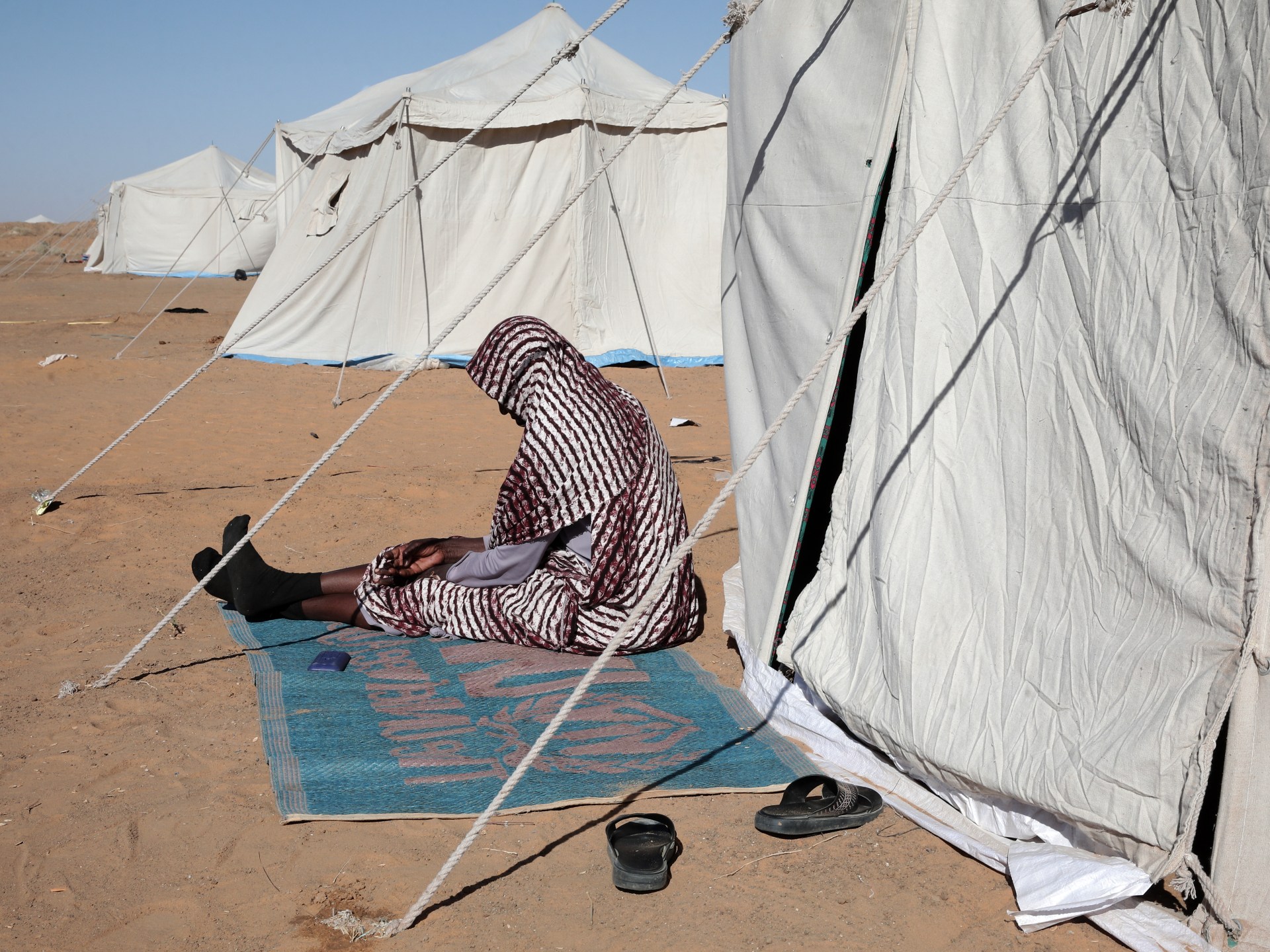
The expanding front lines in Kordofan also threaten a humanitarian catastrophe mirroring Darfur's tragedy. Abdelmoniem warns of atrocities, possibly without extensive media coverage, while attributing the international community's inaction to emboldening all armed groups. "That sense of impunity prevails and will only increase the longer the international community is content with releasing statements and not doing much else," she cautioned.
Arbab notes that while Darfur's violence had elements of ethnic cleansing, Kordofan's conflict in places like Babnusa involves overlapping tribal and ethnic communities, leading to distinct dynamics but still profound risks of reprisal killings, sieges, and mass displacement. Khair warned that humanitarian access to Kordofan is already near impossible. "Access issues become even more heightened when you’re away from an international border," she explained, pointing out Kordofan's lack of open borders for aid routing, unlike Darfur, raising fears of widespread suffering.