Swiss Inheritance Tax Referendum: Ultra-Wealthy Threaten Exit as 50% Levy Sparks Debate
Nov 28, 2025
 Switzerland
Politics & Economy
Switzerland
Politics & Economy
Switzerland
Politics & Economy
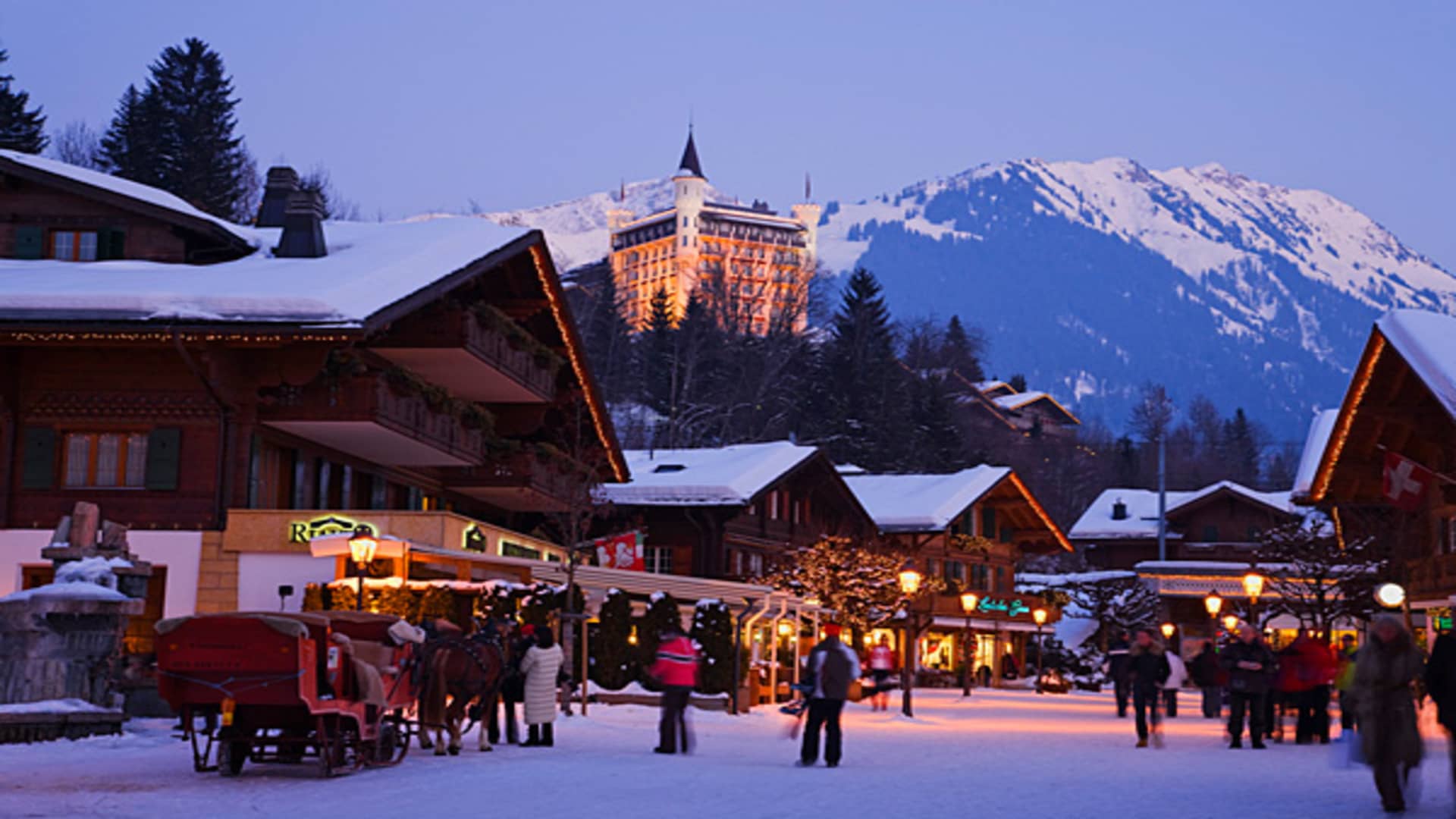
Swiss voters face a referendum on a 50% inheritance tax for ultra-wealthy individuals. The proposal, though likely to fail, has sparked concern among the rich,
Switzerland's Wealthy Stirred by Inheritance Tax Referendum
Switzerland, long celebrated as a premier haven for the world's most affluent individuals, is currently facing a significant political and economic crossroads. Voters are poised to cast their ballots on a highly contentious proposal: a substantial new tax targeting large inheritances and gifts. While early indications suggest the initiative is likely to be defeated, the fierce debate surrounding it has already sent tremors of concern through the nation's wealthy populace.
The Controversial 50% Inheritance Tax Initiative
Originating from the youth wing of Switzerland's left-leaning Social Democrats, the proposed tax aims to impose a hefty 50% levy on any inheritance or gift exceeding 50 million Swiss Francs (approximately $56 million USD). The revenue generated from this tax is earmarked to fund critical policies addressing climate change. Despite this progressive objective, recent polls reveal limited public support, hovering around just 30%, making its passage improbable.
Ultra-Wealthy Consider Departure, Experts Warn of Capital Flight
Experts highlight the unique position of the ultra-rich, describing them as "queens on a chessboard" due to their remarkable mobility and extensive options for optimizing their tax obligations. Stefan Legge from the University of St. Gallen notes that many affected individuals have already consulted tax lawyers and consultants, preparing the necessary paperwork to relocate if the tax were to pass. Legge states, "A lot of people who would be affected talked to their consultants and their tax lawyers, and they did the paperwork to be sure that this time of the year, a week before the final vote, they are ready to move out if necessary."
Prominent Swiss billionaire Peter Spuhler, founder of Stadler Rail, has publicly stated his intent to leave Switzerland if the law is enacted, citing the difficulty of paying such a tax when his wealth is predominantly tied up in his company assets rather than liquid capital. Kurt Moosmann, president of the Swiss Single Family Office Association, confirms that the proposal has created a "certain uncertainty among family offices" and has deterred foreign capital from entering Switzerland.
Potential Revenue Loss and Switzerland's Role as a Wealth Hub
Paradoxically, Legge projects that implementing a 50% inheritance tax could lead to a reduction in overall tax revenue. He points out that only about 2,000 individuals – a mere 0.3% of Switzerland's population – would be directly affected. These individuals collectively contribute a substantial 5 to 6 billion Swiss Francs in taxes annually, and their potential departure would create a significant fiscal void.
The powerful Swiss business lobby, Economiesuisse, has vocally condemned the discussion around an inheritance tax as "superfluous and damaging," emphasizing the country's reliance on high-net-worth taxpayers to finance its public services. While Switzerland faces stiff competition from emerging wealth centers in the Middle East and other European nations, it maintains its position as a global leader in private banking and wealth management. Giorgio Pradelli, CEO of Swiss private bank EFG International, underscores this resilience, stating that Switzerland's "ecosystem is super healthy and strong" and remains the top destination for international private banking. Legge adds that Switzerland's enduring strength lies in its ability to strike a crucial balance between competitive taxation and exemplary public services.
Switzerland's Wealth Profile
- Billionaire Count: 57
- Total Billionaire Wealth: $125 billion
- Global Ranking (Billionaires): 8th
- Global Ranking (Ultra-Wealthy - $30M+): 7th
- Wealth of 300 Richest Residents: Over $1 trillion (850 billion Swiss Francs)
- Billionaires' Share of Ultra-Wealthy Population: Top 1% of 5,597 ultra-wealthy individuals
- Billionaires' Share of Ultra-Wealthy Fortune: Over 19%
- Average Billionaire Net Worth: $2.2 billion
By news
7 months ago