Sweden's Royals Join Major War Drill for First Time Since 90s Amid Russia Tensions & NATO Membership Boost
Nov 29, 2025
 Sweden
Defence & Security
Sweden
Defence & Security
Sweden
Defence & Security
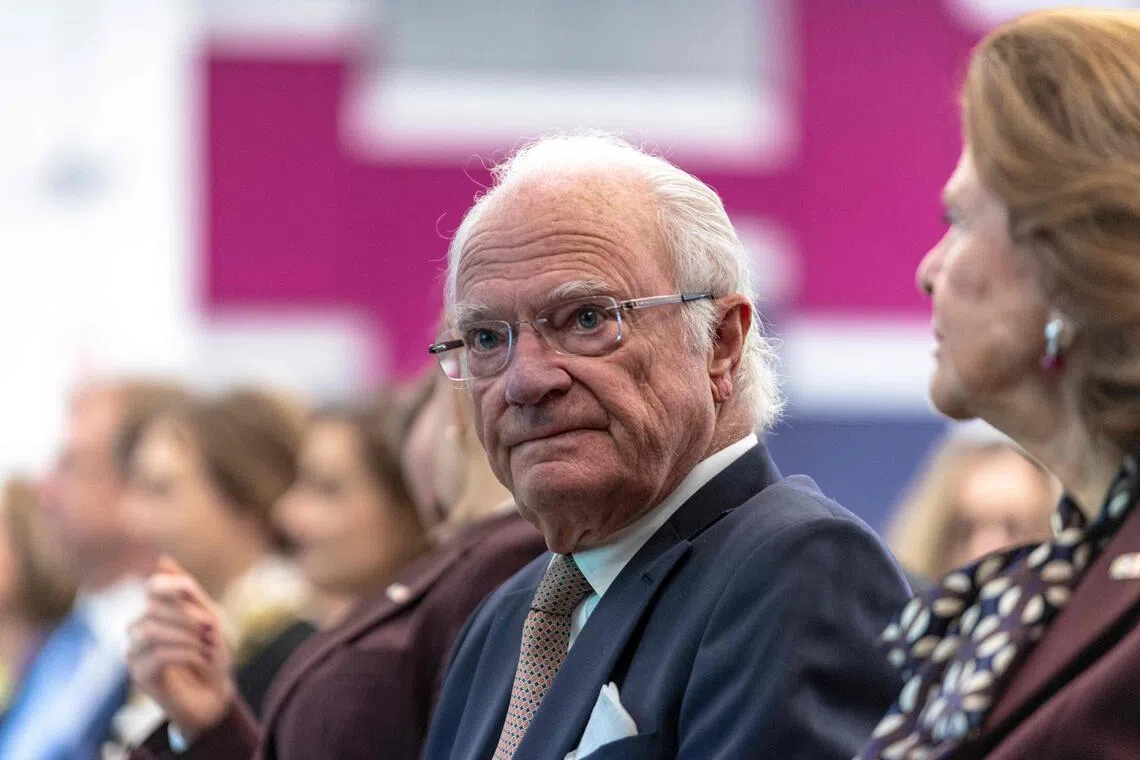
Sweden held a war simulation involving King Carl XVI Gustaf and Crown Princess Victoria, the first since the 90s, to boost defence amid Russia-Ukraine war tensi
Sweden's Royals Participate in Major War Simulation Amid Heightened Security Concerns
STOCKHOLM – In a significant move highlighting its heightened focus on national security, Sweden recently carried out a large-scale war simulation exercise that involved members of the royal family for the first time since the 1990s. King Carl XVI Gustaf and Crown Princess Victoria participated alongside Sweden's armed forces and various government officials, underscoring a unified national approach to defense preparedness.
Strategic Drill Reflects Evolving Security Landscape
The comprehensive drill was conducted "in light of the present security situation," as stated by Prime Minister Ulf Kristersson. This direct reference points to the ongoing geopolitical tensions, particularly Russia's invasion of Ukraine, which has reshaped Europe's security dynamics. The exercise specifically focused on "measures to maintain Sweden’s security" within a hypothetical "scenario involving war and the risk of war."
Prime Minister Kristersson emphasized the progressive nature of Sweden's defense strengthening, stating, "Step by step and exercise by exercise, we are strengthening Sweden’s total defence and resilience." The government's official statement regarding the exercise was notably translated into Russian, a clear signal of Sweden's resolve and communication strategy towards potential adversaries.
Bolstering Defence Against Identified Threats
Sweden's intelligence and defence services consistently identify Russia as the principal threat to the country's security. This assessment has driven a rapid acceleration in Sweden's military spending and strategic alignments. Following Russia's full-scale invasion of Ukraine, Sweden took the historic step of joining NATO in 2024, further integrating its defence capabilities with Western allies.
Looking ahead, Stockholm has committed substantial resources to its defence budget, planning to allocate US$32 billion (S$41 billion) over the next decade. This significant investment reflects a long-term commitment to enhancing its military prowess and ensuring robust national and collective defence within the framework of its new NATO membership. The inclusion of the monarchy in such critical exercises symbolizes a cohesive national effort in confronting contemporary security challenges.
By news
7 months ago