Trump's Anti-Migrant Stance Intensifies After Shooting: Rhetoric, Policy & Immigration Debate Impact
Nov 29, 2025
 United States
Politics
United States
Politics
United States
Politics
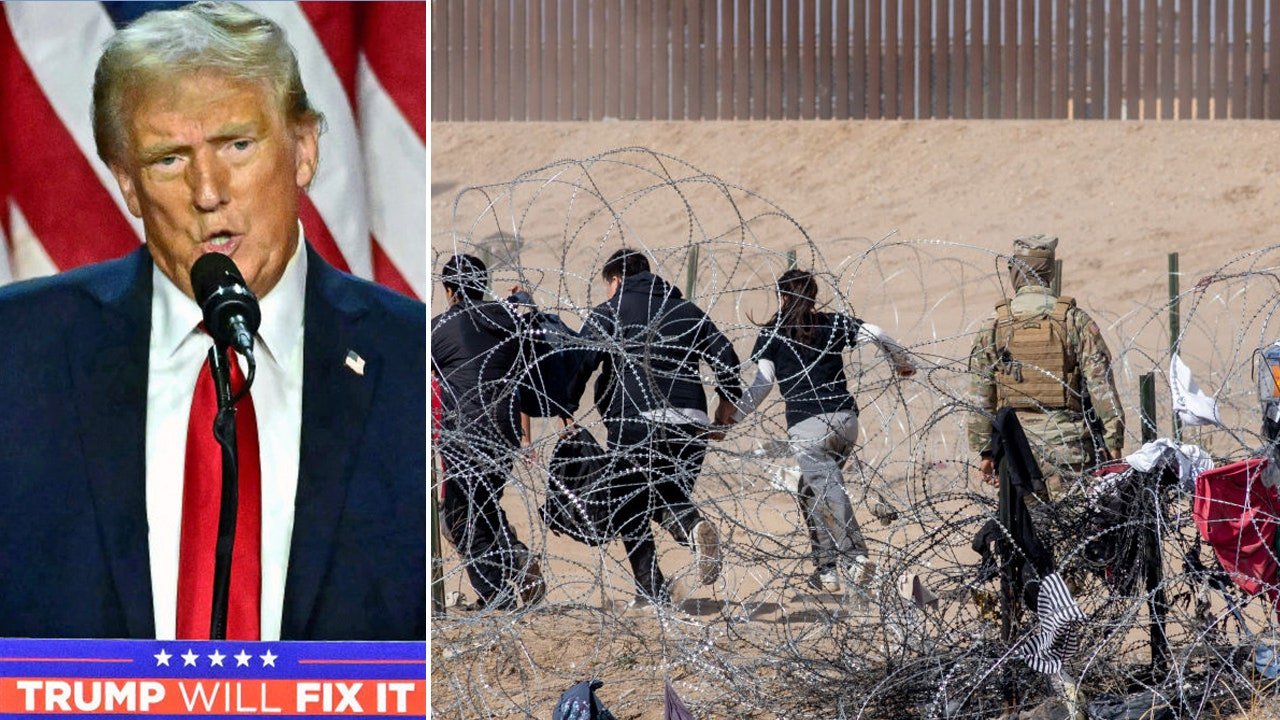
Following a recent tragic shooting, former President Trump's statements have underscored and intensified his long-standing anti-migrant stance, sparking debates
Trump's Anti-Migrant Stance Intensifies Post-Shooting Incident
Following a recent tragic shooting incident, former President Donald Trump's public statements have notably intensified his long-held anti-migrant stance. This development has reignited vigorous debate surrounding immigration policy, border security, and the impact of political rhetoric on national discourse.
The Response and Rhetorical Shift
In his remarks, Trump directly linked the shooting to what he described as porous borders and lax immigration enforcement, arguing for more stringent measures and a significant reduction in migrant arrivals. His comments emphasized the perceived threat posed by undocumented immigrants and called for an immediate overhaul of current immigration laws, suggesting a need for even more aggressive deportation efforts and and a halt to certain immigration programs.
Historical Context and Policy Implications
This renewed focus aligns with his past presidential campaign promises and policies, which often centered on a hardline approach to immigration, including the construction of a border wall and increased deportations. Critics argue that such rhetoric unfairly scapegoats migrant communities and can incite xenophobia, while supporters contend it is a necessary response to national security and economic concerns.
Wider Impact on Debate and Policy
The implications of these statements extend beyond immediate political reactions. They are expected to shape ongoing legislative discussions, influence public opinion, and potentially impact future electoral strategies, particularly as the nation grapples with complex issues of migration, crime, and national identity. The intensified stance underscores a deepening partisan divide on how best to address immigration challenges facing the country.
By news
7 months ago