Airbus Commands Urgent A320 Software Update Amid Solar Radiation Concerns
Airbus, the European aviation giant, has issued an immediate mandate for software alterations across a substantial portion of its highly popular A320 family of aircraft. This unprecedented directive, which industry insiders suggest could impact up to half of the global A320 fleet – numbering in the thousands – comes as a direct response to a critical flight incident. The company revealed that intense solar radiation is suspected of corrupting vital data within the aircraft's flight control systems.
The Triggering Incident: A JetBlue Flight's Harrowing Descent
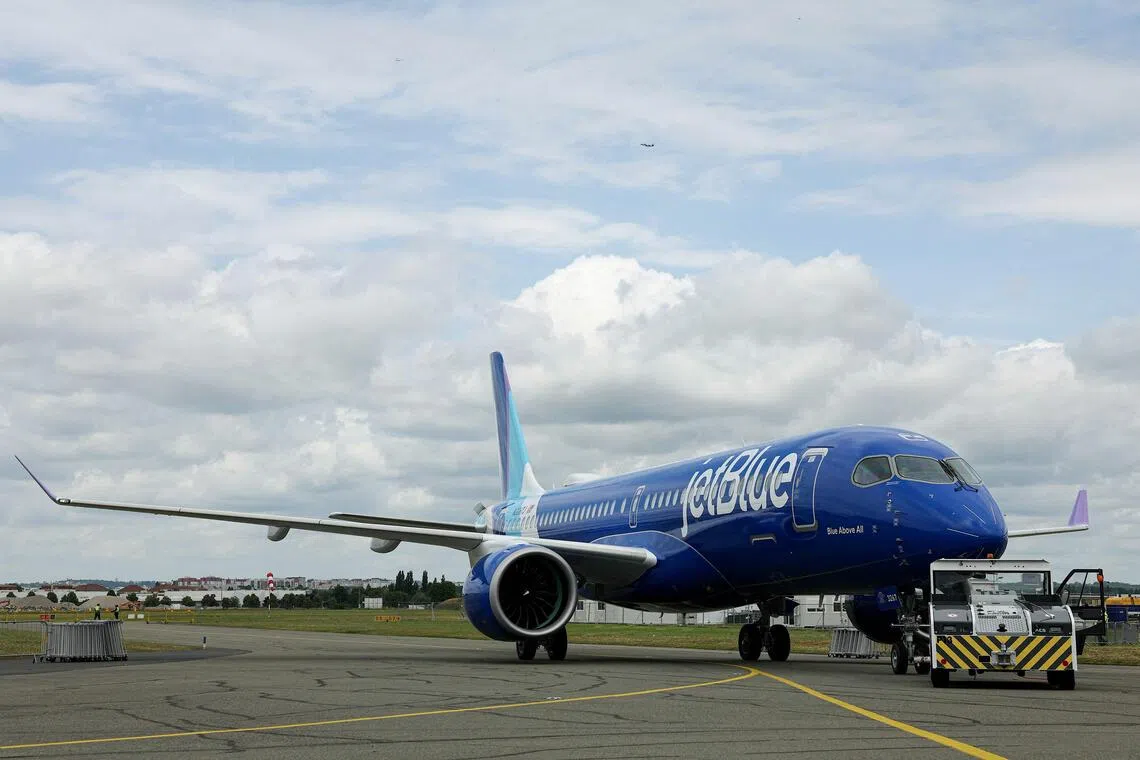
The catalyst for this widespread recall stems from a distressing event on October 30. JetBlue Flight 1230, en route from Cancun, Mexico, to Newark, New Jersey, experienced a sudden and uncommanded loss of altitude. Several passengers sustained injuries during the sharp descent, which ultimately led to an emergency landing in Tampa, Florida. The Federal Aviation Administration (FAA) immediately launched an investigation into the flight control malfunction that plagued the Airbus A320 aircraft. Airbus itself acknowledged that such recommendations would inevitably lead to "operational disruptions" for both passengers and airline operators.
Global Fleet Impact and Disruptions Loom
The required software modification must be implemented before an affected aircraft's next scheduled flight. This urgent timeline threatens to trigger significant flight cancellations and delays, particularly during what is anticipated to be one of the busiest travel periods of the year in the United States and beyond.
While approximately two-thirds of the impacted A320 jets will only require a relatively swift reversion to a previous software version – effectively a brief grounding – the situation is compounded by existing pressures on airline maintenance facilities. These facilities are already grappling with capacity shortages and extensive wait times for other essential engine repairs. For hundreds of the remaining affected aircraft, the fix will be more extensive, necessitating hardware changes that could result in much lengthier service interruptions.
The European Union Aviation Safety Agency (EASA) is poised to release an emergency directive, officially mandating these crucial fixes across the continent.
Airline Responses and Technical Specifics
Major carriers are quickly identifying their affected aircraft. American Airlines confirmed that around 340 of its 480 A320 family jets require the software replacement, anticipating the majority of these updates to be completed within a day or two, with each aircraft needing roughly two hours of work. Hungary's Wizz Air has also pinpointed its affected fleet, while United Airlines has stated it is not impacted by this particular issue.
The technical core of the problem lies within the Elevator and Aileron Computer (ELAC) system, a fly-by-wire component responsible for relaying commands from the pilot's side-stick to the aircraft's elevators, which control the plane's pitch. Thales, the manufacturer of the ELAC computer, has clarified that its hardware adheres to Airbus specifications and that the specific software functionality under scrutiny is not their responsibility.
A Significant Challenge for Airbus
With roughly 11,300 A320-family aircraft currently in service worldwide, this incident represents one of the largest mass recalls in Airbus's 55-year history. It notably occurs just weeks after the A320 model surpassed the Boeing 737 in total deliveries, marking a significant milestone for the first mainstream jetliner to incorporate fly-by-wire computer controls. The swift action underscores the gravity of potential solar radiation interference on modern, highly automated aircraft.