
Guinea-Bissau's Military Consolidates Power Post-Coup Amidst Global Outcry
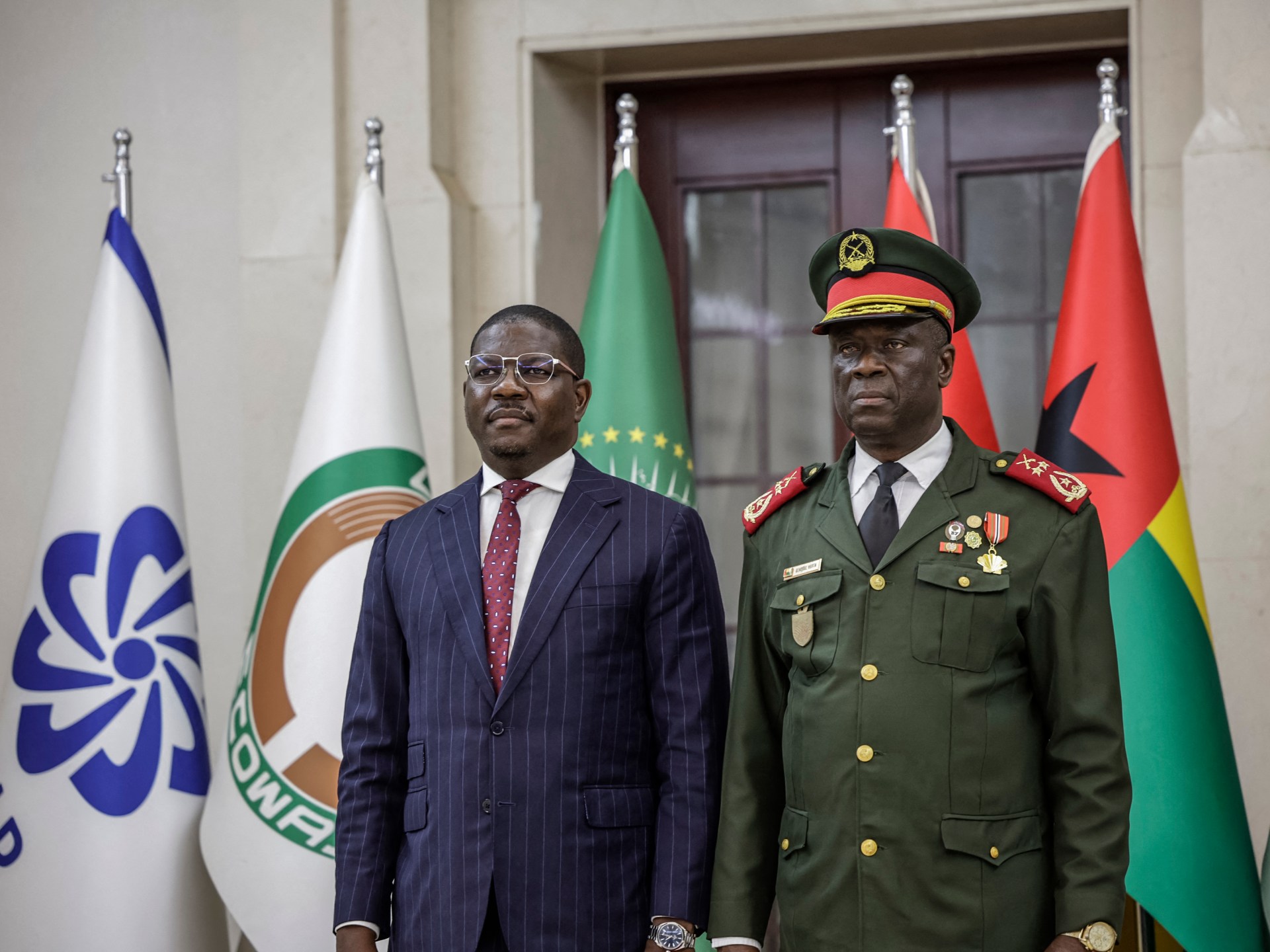
Guinea-Bissau is currently navigating a tumultuous political landscape as General Horta Inta-A, the nation's new military leader, moves swiftly to establish his authority following a recent coup. On November 28, 2025, in the capital city of Bissau, Inta-A officially appointed Ilidio Vieira Te, previously the Finance Minister, as the new Prime Minister of the West African country. This strategic move comes mere days after the military announced it had seized "total control," effectively deposing President Umaro Sissoco Embalo.
New Leadership Takes Oath, Old Ties Remain
During a brief swearing-in ceremony at the Presidential Palace, General Inta-A, who himself assumed the role of transitional president just a day prior, emphasized the high expectations the people of Guinea-Bissau hold for their new leadership. He expressed hope for continued collaboration between the military government and Prime Minister Te. Interestingly, both Inta-A and Te maintain close ties to the ousted President Embalo; Te even served in Embalo’s government and directed his party's campaign in the recent presidential election.
Controversial Election & International Condemnation
The coup unfolded on the eve of the anticipated release of provisional results from last Sunday's presidential election, which saw Embalo seeking re-election against challenger Fernando Dias. Both candidates had prematurely declared victory, and the official results remain unannounced, adding layers of uncertainty to the political crisis.
The international community has unequivocally condemned the military takeover, marking another chapter in Guinea-Bissau's history of coups since its independence from Portugal in 1974. The African Union swiftly suspended Guinea-Bissau "with immediate effect" on Friday, mirroring action taken by the Economic Community of West African States (ECOWAS), which froze the nation out of all its decision-making bodies. United Nations Secretary-General Antonio Guterres decried the military's "unacceptable violation of democratic principles," while the European Union called for an immediate restoration of constitutional order and the resumption of the electoral process. Senegal’s Prime Minister, Ousmane Sonko, whose country is currently hosting Embalo, labeled the putsch a "sham" and insisted on allowing the electoral commission to declare the rightful winner.
Allegations of a "Ceremonial Coup"
Adding a controversial twist, opposition candidate Fernando Dias alleged that Embalo himself orchestrated the power grab to prevent Dias from taking office. This sentiment was echoed by former Nigerian President Goodluck Jonathan, who observed the elections and described the event as a "ceremonial coup" staged by Embalo to retain power. Jonathan questioned the nature of a military takeover that permits the "overthrown" president to hold press conferences.
Human Rights Concerns and Return to Calm
Amidst the political turmoil, concerns over human rights violations have surfaced. UN human rights chief Volker Turk reported that at least 18 individuals, including government officials, magistrates, and opposition politicians, were arbitrarily detained during the coup, with most still held incommunicado. Turk voiced deep alarm over these reports, also noting threats and intimidation against media outlets and journalists, and called for immediate releases and a return to constitutional order, urging respect for fundamental freedoms.
Despite these grave concerns, a sense of normalcy began to return to Bissau. The new military authorities lifted the overnight curfew imposed during the coup, leading to the reappearance of people and vehicles on the capital's streets as army checkpoints were removed. Key economic institutions like the main stock exchange, markets, and commercial banks also reopened. For citizens like Boubacar Embalo, a 25-year-old street vendor, the return to work was a necessity: "I resumed my work because if I stay home, I will have nothing to eat," he told AFP, highlighting the immediate impact of the crisis on everyday life.