Peru Declares State of Emergency at Chile Border Amid Migrant Surge & Far-Right Political Tensions
Nov 29, 2025
 Peru
International Politics & Migration
Peru
International Politics & Migration
Peru
International Politics & Migration
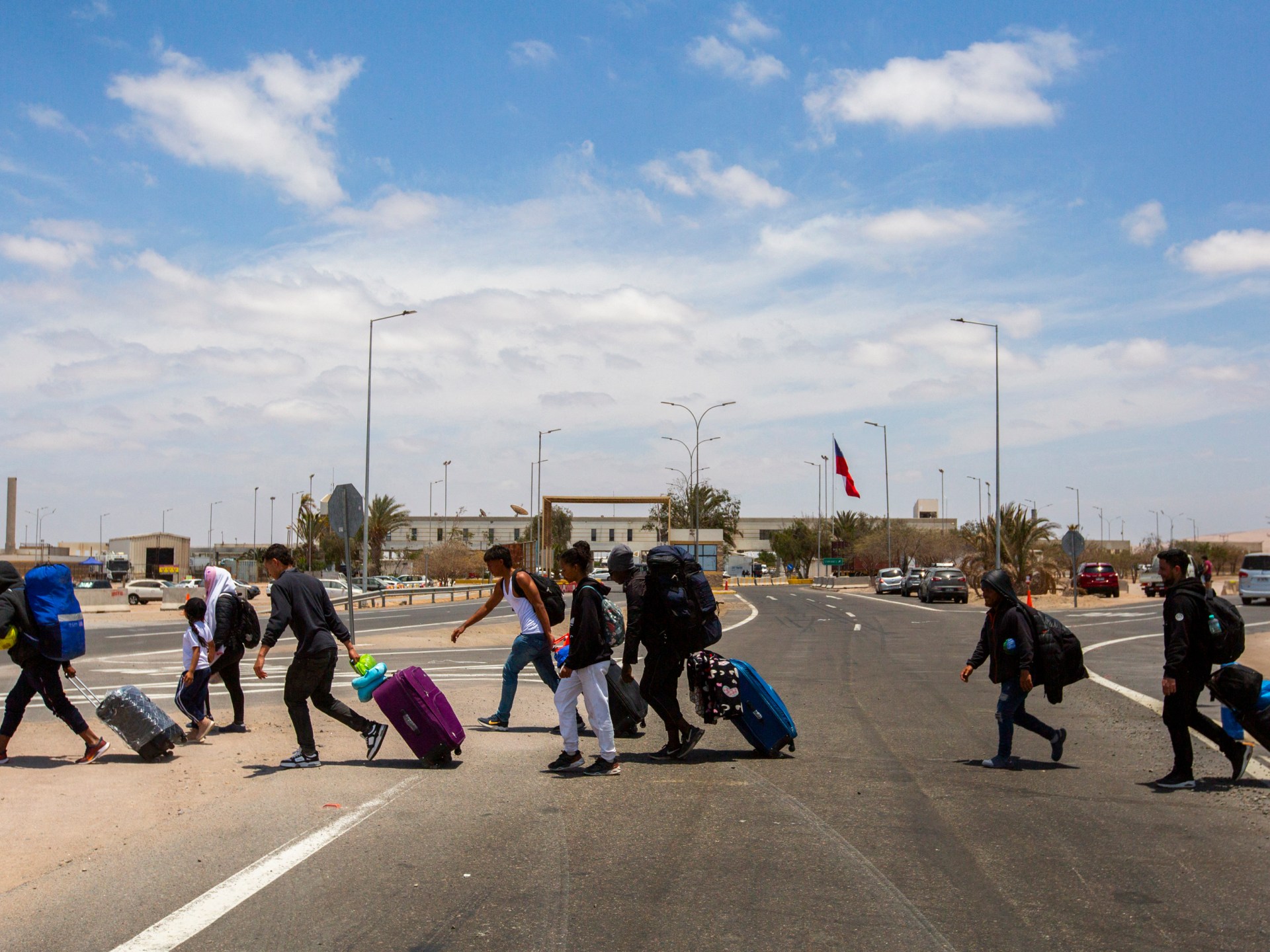
Peru's President Jose Jeri declared a state of emergency at the Chile border, citing public safety risks from a migrant surge ahead of Chile's far-right-led ele
Peru Declares Border Emergency Amid Migrant Surge and Political Tensions
Peru is taking decisive action at its southern border with Chile, as President Jose Jeri announced a state of emergency to address a notable influx of migrants. This move, communicated via social media, has intensified concerns about a potential humanitarian crisis, particularly given Chile's upcoming presidential run-off election, which features a prominent far-right candidate.
Escalating Border Tensions and Political Landscape
President Jeri, a far-right leader who assumed office in October following his predecessor's impeachment, made this declaration amidst growing media speculation and reports of increasing migrant numbers at the shared border. On platform X, Jeri explicitly stated that the state of emergency is intended "to generate tranquility before the risk of migrants entering without authorisation," warning that this surge could "threaten the public safety" of Peru's 34 million citizens. Peruvian police General Arturo Valverde reported at least 100 individuals attempting to cross into Peru on a recent Friday, with local media extensively broadcasting images of families at the border.
Chile's Looming Election and Far-Right Rhetoric
The current border situation is closely tied to the charged political atmosphere in Chile, where a presidential run-off is scheduled for December 14. This election pits far-right frontrunner Jose Antonio Kast against leftist Jeannette Jara. Kast has made highly controversial campaign promises, vowing to detain and expel undocumented migrants if he wins the presidency. His campaign tactics have included filming a video directly at the border, delivering a stark warning: "You have 111 days to leave Chile voluntarily. If not, we will stop you, we will detain you, we will expel you. You will leave with only the clothes on your back." This strong anti-immigrant rhetoric is believed to be a significant factor driving migrants, primarily Venezuelans who had previously sought economic opportunities in Chile, to attempt crossings into Peru.
Humanitarian Concerns and Official Reactions
The potential for a humanitarian crisis is a paramount concern. Chile's current left-wing president, Gabriel Boric, is constitutionally limited to a single four-year term, with the new president slated to be sworn in on March 11, 2026. Luis Cordero, Chile's Minister of Security, has openly criticized Kast's campaign tactics, cautioning that "rhetoric sometimes has consequences" and stressing that "People cannot be used as a means to create controversy for the elections." He emphasized the government's priority: "Our main purpose is to prevent a humanitarian crisis."
Peruvian President Jeri had also visited the border area earlier in the week, promising to deploy additional troops. While an estimated 330,000 undocumented individuals reside in Chile, the exact number who have recently crossed into Peru remains unclear. The escalating situation highlights a complex interplay of political opportunism, humanitarian challenges, and national security concerns in the region.
By news
7 months ago
No cameras found for this country.