
National Guard Attack Ignites Fierce U.S. Immigration Debate
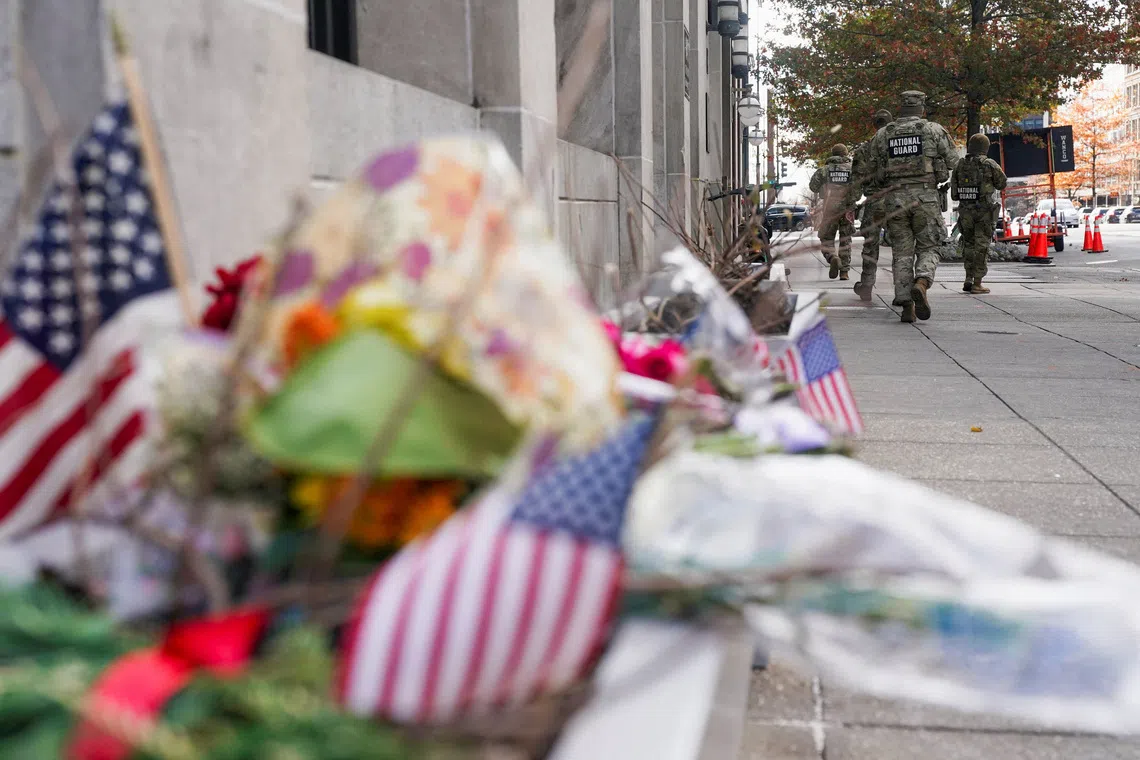
The United States is grappling with the tragic aftermath of a fatal shooting involving a National Guard member in Washington D.C., an incident that has rapidly intensified the national debate over immigration policy. Rahmanullah Lakanwal, a 29-year-old Afghan national, is expected to face first-degree murder charges after allegedly ambushing two West Virginia National Guard members near the White House.
One of the soldiers, 20-year-old Sarah Beckstrom, tragically succumbed to her wounds on Thursday, while her colleague, 24-year-old Andrew Wolfe, remains in critical condition. The two were deployed in the capital as part of President Trump's initiative to assist local police in combating crime.
The Accused and His Journey to the U.S.
Lakanwal's presence in the U.S. has become a focal point of the immigration discussion. He initially entered the country in 2021 under the Biden administration's Operation Allies Welcome program, designed for Afghans who aided U.S. efforts during the war. Interestingly, he was later granted asylum under the current Trump administration. Investigators allege Lakanwal drove across the country from his home in Washington state, carrying out the attack with a powerful .357 Magnum revolver before being wounded in an exchange of gunfire with other troops.
Officials also noted Lakanwal was reportedly part of a CIA-backed unit in Afghanistan before his arrival in the U.S.
Trump's Swift, Escalated Immigration Rhetoric
Following the shootings, President Donald Trump swiftly labeled the incident a "terrorist attack" during a Thanksgiving call with U.S. military service members. He immediately utilized the tragedy to escalate his already stringent immigration rhetoric. Via social media, Trump declared his intent to "permanently pause migration from all Third World Countries" to allow the U.S. system to "fully recover."
His posts further vowed to "terminate all of the millions of Biden illegal admissions," specifically challenging documents signed by his predecessor, Joe Biden, even those authenticated via autopen. Trump also stated his aim to "remove anyone who is not a net asset to the United States." These proposals, reminiscent of his earlier "Muslim ban," did not specify which countries he considered "Third World" or the exact mechanism of a "permanent pause."
Policy Reviews and Legal Challenges Anticipated
The president's sweeping proposals are expected to face significant legal and political hurdles. Jorge Loweree, managing director of programs and strategy at the American Immigration Council, cautioned that the president lacks the executive authority to enact such permanent, systemic changes without congressional action. He warned of potential "chaos and disarray" within the U.S. immigration system, even if Trump's executive actions are ultimately blocked by federal courts.
In the wake of the attack, Trump administration officials promptly ordered widespread reviews of existing immigration policies. Treasury Secretary Scott Bessent announced plans to propose regulations preventing individuals he referred to as "illegal aliens" from receiving certain income tax credits, despite existing congressional limitations on benefits for non-citizens. Furthermore, Homeland Security officials confirmed an order for a comprehensive review of asylum cases approved under the Biden administration and green cards issued to citizens from 19 specific countries, including Afghanistan.
International Concerns and Expert Perspectives
The international community has voiced concerns regarding the potential impact of these policy shifts. United Nations agencies urged the U.S. to uphold its commitments under the 1953 Refugee Convention, emphasizing the importance of continuing to allow asylum seekers access to the country and ensuring their due process rights.
Jasmin Lilian Diab, director of the Institute for Migration at the Lebanese American University, highlighted the potential for significant disruption to families and local communities should Afghan applications be frozen or approved asylum claims be reconsidered. She stated, "While the recent incident is tragic, using an isolated incident to justify mass restrictions is inconsistent with evidence showing no link between refugee arrivals and increased crime."
As legal proceedings against Lakanwal unfold, and with the administration reportedly considering the situation with his family (residing in Washington state), the incident has undeniably fueled a contentious political debate over national security, immigration reform, and the future of U.S. asylum policies.