Peru Declares State of Emergency at Southern Border Amid Migrant Influx Fears from Chile, Citing Far-Right Candidate Kast
Nov 29, 2025
 Peru
Immigration
Peru
Immigration
Peru
Immigration
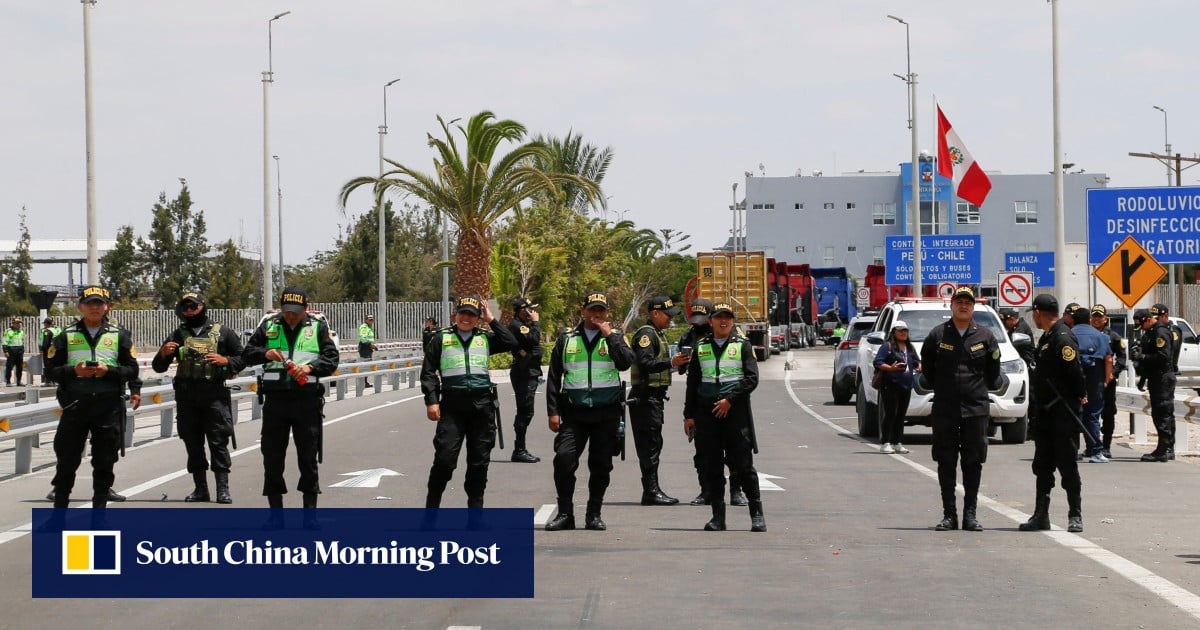
Peru declares a 60-day state of emergency at its southern border with Chile, deploying military due to fears of a migrant influx. This action is linked to far-r
Peru Reinforces Southern Border as Chilean Political Landscape Triggers Migration Fears
Peru has proactively declared a state of emergency along its southern frontier with neighboring Chile, anticipating a potential surge of migrants attempting to cross. This significant move, announced by the Peruvian government on Friday, November 29, 2025, is primarily driven by concerns surrounding the possible electoral victory of far-right candidate Jose Antonio Kast in Chile's upcoming presidential runoff.
Military Deployment and Duration
Under the newly enacted decree, Peru's military forces will be deployed to bolster border control operations within the southern Tacna region. This enhanced security measure is set to remain in effect for a period of 60 days, strategically extending beyond Chile's pivotal December 14 run-off election. The election pits immigration hardliner Kast against his left-wing rival, Jeannette Jara, whose policy approaches differ significantly on migration.
Beyond managing potential migration flows, the state of emergency also aims to “address crime and other situations of violence” prevalent in the border zone. The presidential order clarifies that the Peruvian National Police will retain primary responsibility for maintaining internal order, with the Armed Forces providing crucial supplementary support.
Context: Anticipating a Far-Right Shift
The declaration follows earlier statements from Peruvian President Jose Jeri, who signaled that such an action was imminent. This urgency was underscored by reports of dozens of migrants already stranded at the Chile-Peru border, highlighting existing pressures even before the potential shift in Chilean policy.
Further visual evidence, including a video released by the Chilean governor of the Arica border region (located approximately 2,200km north of Santiago), depicted numerous individuals attempting to exit Chile via the Chacalluta-Santa Rosa border crossing. These developments collectively painted a picture of an already strained border situation, now exacerbated by the political uncertainties looming over Chile's future leadership.
By news
7 months ago
No cameras found for this country.