Russia Escalates Crackdown: Human Rights Watch Banned, Critics Targeted
In a significant escalation of its clampdown on independent voices, Russian authorities have declared Human Rights Watch (HRW) an “undesirable organisation,” effectively halting its operations within the country. This designation, enacted under a 2015 law, criminalizes any association with the globally recognized human rights group, making cooperation or support a prosecutable offense.
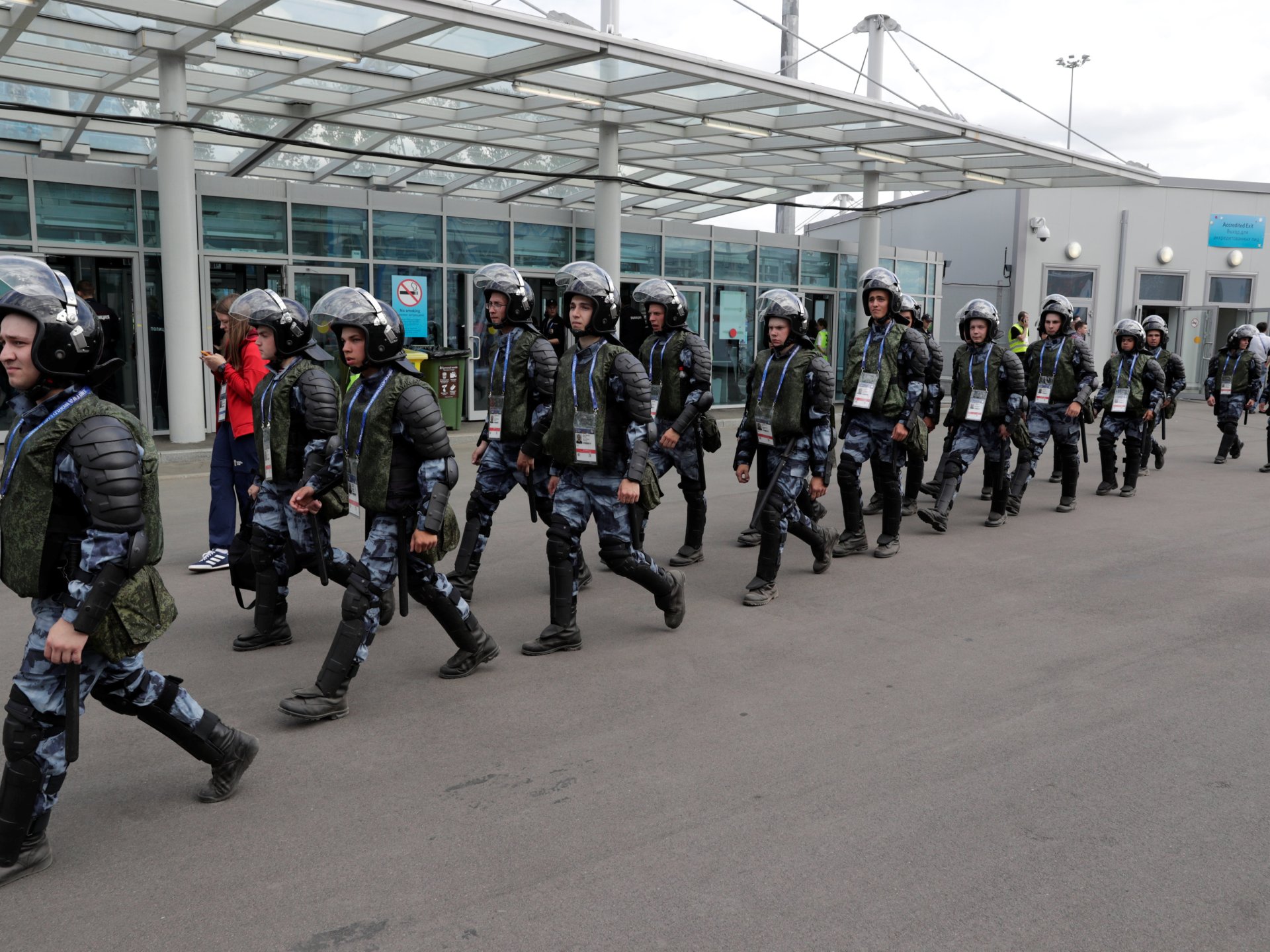
The decision, announced by Russia's prosecutor general's office, is the latest move in a systematic effort to silence Kremlin critics, journalists, and activists. This wave of repression has intensified dramatically since Moscow’s full-scale invasion of Ukraine in February 2022.
HRW Condemns Ban as Dictatorial Shift
Philippe Bolopion, executive director at Human Rights Watch, condemned the ban, stating, “For over three decades, Human Rights Watch’s work on post-Soviet Russia has pressed the government to uphold human rights and freedoms. Our work hasn’t changed, but what’s changed, dramatically, is the government’s full-throttled embrace of dictatorial policies, its staggering rise in repression, and the scope of the war crimes its forces are committing in Ukraine.”
Broader Crackdown Targets Multiple Entities
Beyond HRW, the crackdown encompasses various other groups. The prosecutor general’s office also initiated proceedings to label the Russian feminist punk collective Pussy Riot as an “extremist” organization. Concurrently, Russia’s Supreme Court branded the Anti-Corruption Foundation, established by the late opposition figure Alexey Navalny, as a “terrorist” group. This ruling specifically targets the foundation’s US-registered entity, which became its primary operational hub after the original foundation was deemed “undesirable” in Russia in 2021.
Russia's ever-growing list of “undesirable organisations” now includes over 275 entities, ranging from prominent independent news outlets like Radio Free Europe/Radio Liberty and think tanks such as Chatham House, to anti-corruption watchdogs like Transparency International and environmental groups like the World Wildlife Fund.
WhatsApp Under Threat Amid Communication Control Efforts
In a parallel development, Russia’s state communications watchdog, Roskomnadzor, issued a stern warning to WhatsApp, threatening a complete ban if the messaging service fails to comply with Russian legislation. This follows previous limitations on certain WhatsApp calls and allegations that foreign-owned platforms refuse to share information with law enforcement regarding fraud and “terrorism” cases. WhatsApp has countered, accusing Moscow of attempting to block secure communication for millions of Russian users. These actions align with Russia's promotion of a state-backed alternative app, MAX, which critics fear could be used for surveillance, though state media dismiss these concerns as unfounded.