Sri Lanka Devastated by Cyclone Ditwah: 123 Dead, Thousands Displaced in Catastrophic Floods & Mudslides
Nov 29, 2025
 Sri Lanka
Natural Disaster
Sri Lanka
Natural Disaster
Sri Lanka
Natural Disaster
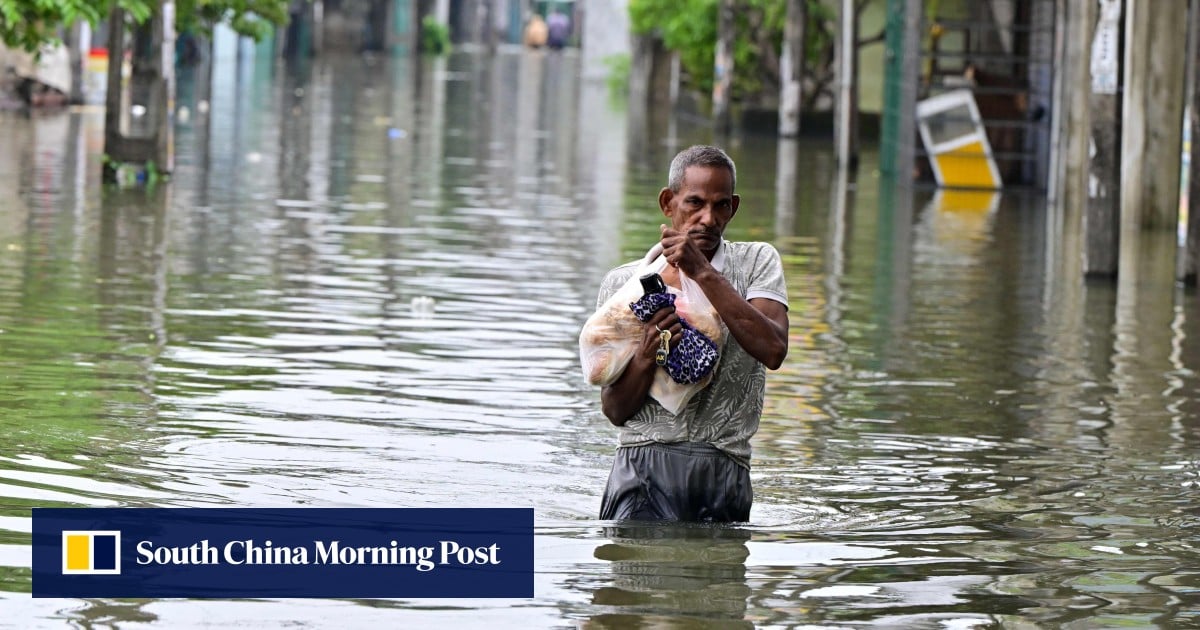
Cyclone Ditwah has caused devastating floods and mudslides in Sri Lanka, resulting in 123 confirmed deaths and 130 missing. Nearly 44,000 people are in temporar
Sri Lanka Grapples with Devastating Aftermath of Cyclone Ditwah
Sri Lanka is grappling with the severe aftermath of Cyclone Ditwah, which has unleashed catastrophic floods and mudslides across the island nation. The official death toll has tragically climbed to 123, with concerns that this number could rise further as 130 individuals remain unaccounted for.
Widespread Deluge and Displacement
The relentless deluge, which intensified last Thursday following a week of harsh weather, has caused most of Sri Lanka's rivers and reservoirs to burst their banks. This widespread flooding has submerged homes, agricultural lands, and vital transportation routes. The disaster has forced nearly 44,000 residents to abandon their homes and seek refuge in temporary shelters, according to the country’s disaster management centre.
Affected Regions and Humanitarian Response
Eyewitness accounts and social media updates from Saturday revealed scenes of utter devastation, particularly in areas struck by overnight mudslides that emergency services are still struggling to reach. The tea-growing central hill country has been among the hardest hit regions, where landslides have blocked roads and railway lines with fallen rocks, mud, and trees.
In response to the escalating crisis, the Sri Lankan government has taken decisive measures, including the closure of schools and offices, and the postponement of scheduled examinations. Passenger train services have been suspended, and numerous roads across the nation have been rendered impassable. On the outskirts of the capital, Colombo, images depicted compassionate citizens distributing essential provisions like bread to those affected by the floods, underscoring the immediate humanitarian needs on the ground. The nation remains on high alert as rescue and relief operations continue amidst challenging conditions.
By news
7 months ago
No cameras found for this country.