US Halts All Asylum Decisions After National Guard Shooting Amid Trump's Toughening Immigration Stance & Third World Country Ban Pledge
Nov 29, 2025
 United States
US Immigration Policy
United States
US Immigration Policy
United States
US Immigration Policy
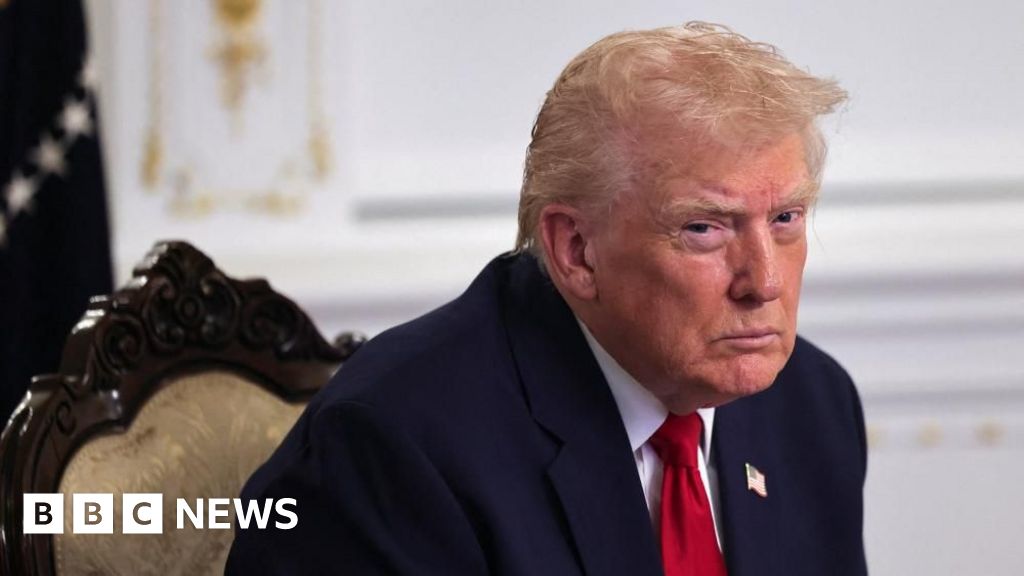
USCIS halts all asylum decisions after a National Guard shooting in Washington DC. The move follows Trump's pledge to permanently pause migration from 'third wo
The Trump administration has enacted a sweeping freeze on all asylum decisions by the U.S. Citizenship and Immigration Services (USCIS), a direct response to the fatal shooting of two National Guard soldiers in Washington D.C. USCIS Director Joseph Edlow stated the pause is critical to ensure "every alien is vetted and screened to the maximum degree possible."
This dramatic policy shift comes hours after President Donald Trump publicly vowed to "permanently pause migration" into the U.S. from all "third world countries." The incident prompting these measures saw a U.S. National Guard member, Sarah Beckstrom, die from injuries sustained in Wednesday's attack, for which an Afghan national, Rahmanullah Lakanwal, has been identified as the suspect.
Unprecedented Immigration Clampdown
According to reports from CBS News, USCIS officers have been instructed to stop approving, denying, or closing any asylum applications, regardless of the applicant's nationality. While officers can continue processing and reviewing cases, the final decision-making stage is currently suspended. The full scope of this directive and Trump's earlier remarks remains somewhat unclear, particularly regarding which countries might be targeted by the proposed "third world country" migration pause. Such a move is anticipated to face significant legal challenges and has already drawn criticism from United Nations agencies.
These announcements signify a further hardening of the Trump administration's stance on immigration during his second term. Previous efforts included attempts at mass deportations of undocumented migrants, drastic cuts to refugee admissions, and challenging birthright citizenship.
The Washington D.C. Shooting and Its Aftermath
The catalyst for these policy changes was Wednesday's tragic shooting. Specialist Sarah Beckstrom, 20, from West Virginia, a National Guard member deployed to D.C. as part of an anti-crime initiative, succumbed to her injuries. The second National Guard member, Andrew Wolfe, 24, is reportedly in critical condition. Trump described the incident as an "act of terror."
In the immediate aftermath, Trump promised to remove any foreigner "from any country who does not belong here." Subsequently, the U.S. suspended all immigration processing for Afghan nationals, citing a review of "security and vetting protocols." This was followed by a USCIS announcement to re-examine green cards issued to individuals from 19 specific countries, including Afghanistan, Cuba, Haiti, Iran, Somalia, and Venezuela – a list previously outlined in a White House proclamation.
Trump's Broader Anti-Immigration Rhetoric
Expanding on his directives, President Trump issued a strongly worded two-part statement on Truth Social, pledging to "end all federal benefits and subsidies to noncitizens." He asserted this would allow the "U.S. system to fully recover" from policies that he claims have eroded the "gains and living conditions" of many Americans.
In his posts, Trump also attributed "social dysfunction in America" to refugees, vowing to deport "anyone who is not a net asset" to the U.S. He specifically criticized the presence of "hundreds of thousands of refugees from Somalia" in Minnesota, accusing them of "completely taking over" the state and targeting Democratic lawmakers. He reiterated his commitment to "permanently pause migration from all Third World Countries." It's worth noting that "third world" is an outdated term traditionally used for poorer, developing nations.
This builds on earlier travel bans imposed during his first term and his current presidency, targeting Afghanistan and other primarily African and Asian nations, as well as several majority-Muslim countries.
International Reactions and Legal Scrutiny
The UN swiftly responded to Trump's pronouncements, urging the administration to uphold its international commitments under the 1953 Refugee Convention. Jeremy McKinney, president of the American Immigration Lawyers Association, characterized the administration's response as "scapegoating" migrants. He pointed out, prior to Trump's latest remarks, that the attacker's motive was still unknown, emphasizing that factors like radicalization or mental illness can affect individuals from any background, regardless of "skin colour" or "nationality."
The Suspect: Rahmanullah Lakanwal
Rahmanullah Lakanwal, the suspect in the D.C. shooting, arrived in the U.S. in 2021 under a special immigration program for Afghans who collaborated with U.S. forces following the American withdrawal. He was a member of a "Zero Unit," an Afghan intelligence and paramilitary force associated with the CIA, considered a respected domestic force in Afghanistan. A senior U.S. official confirmed Lakanwal had undergone vetting both upon joining the CIA-affiliated unit and upon his entry to the U.S. A childhood friend reportedly noted Lakanwal experienced mental health issues after his service.
Lakanwal applied for asylum in 2024, which was reportedly granted earlier this year after Trump's return to power. However, his green card request, linked to the asylum grant, remains pending. He was arrested after the attack and is reportedly uncooperative with authorities.
By news
7 months ago