Jetstar A320 Flights Resume in New Zealand; Air NZ Fleet Remains Grounded Amid Global Software Recall Disruptions
Nov 30, 2025
 New Zealand
Aviation
New Zealand
Aviation
New Zealand
Aviation
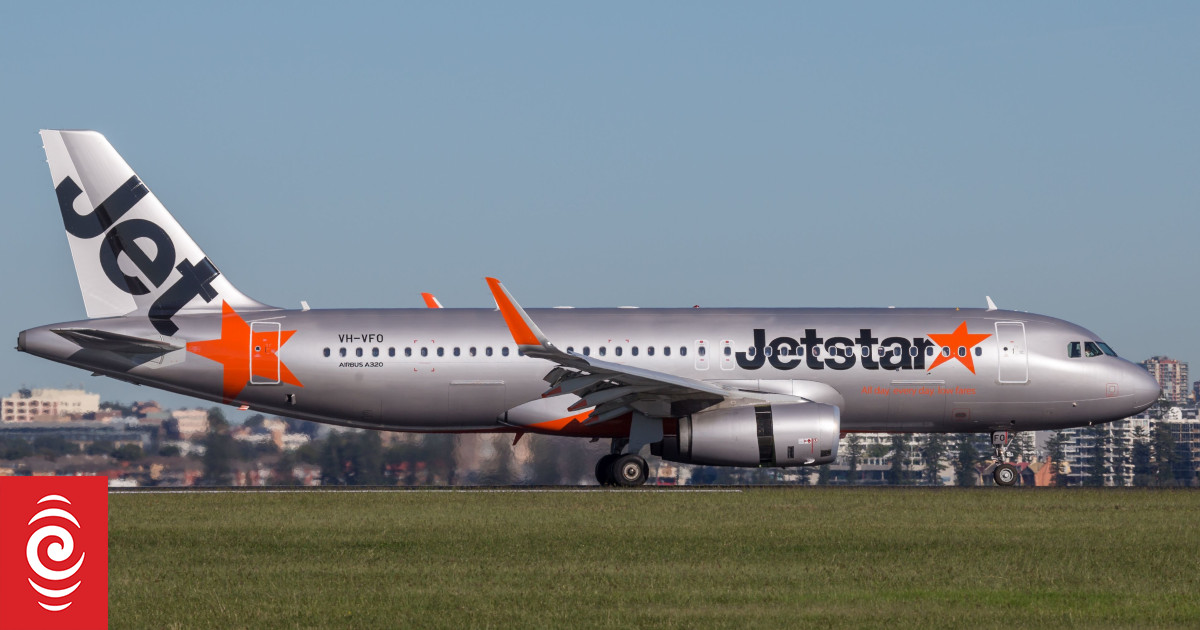
Jetstar's New Zealand A320 fleet is back in the air after software updates, but Air New Zealand's aircraft remain grounded due to a global recall, causing wides
Aviation Disruptions Continue: Jetstar A320s Resume Flights as Air NZ Fleet Remains Grounded
New Zealand's aviation sector is experiencing ongoing turbulence as airlines grapple with the fallout from a global software recall affecting Airbus A320 aircraft. While Jetstar's New Zealand-based A320 fleet has successfully completed necessary software updates and resumed flying, national carrier Air New Zealand continues to face significant disruptions with its A320s remaining grounded. This situation has led to numerous flight cancellations and a substantial backlog, affecting thousands of passengers across the country.
Global Recall's Local Impact
The global issue stems from a mandatory software upgrade impacting approximately 6,000 Airbus A320 aircraft worldwide. In New Zealand, the immediate consequence has been widespread cancellations, with Jetstar alone having already axed around 90 flights. Air New Zealand anticipates at least 20 further cancellations, although the airline's chief safety and risk officer, Nathan McGraw, expressed optimism that the flight schedule could normalize by Monday.
Swift Action by Authorities
Authorities and the aircraft manufacturer have been lauded for their swift response to the anomaly. Tyrone Simes, Jetstar's chief pilot and head of flying operations, commended their efficiency, stating that a directive was issued within 24 hours of the issue's identification. This rapid action underscores the industry's commitment to safety and minimizing potential risks.
Passenger Options and Support
For passengers impacted by Air New Zealand's grounding, the airline is offering several options. Affected customers can make one free change to their booking within seven days of their original travel date, retain the value of their fare as a credit for twelve months, or request a full refund, even for non-refundable tickets. Jetstar has also confirmed that its teams are actively developing solutions and contacting affected customers directly to provide support and alternative arrangements. The aviation industry remains focused on resolving the backlog and restoring regular service as quickly and safely as possible.
By news
8 months ago
No cameras found for this country.