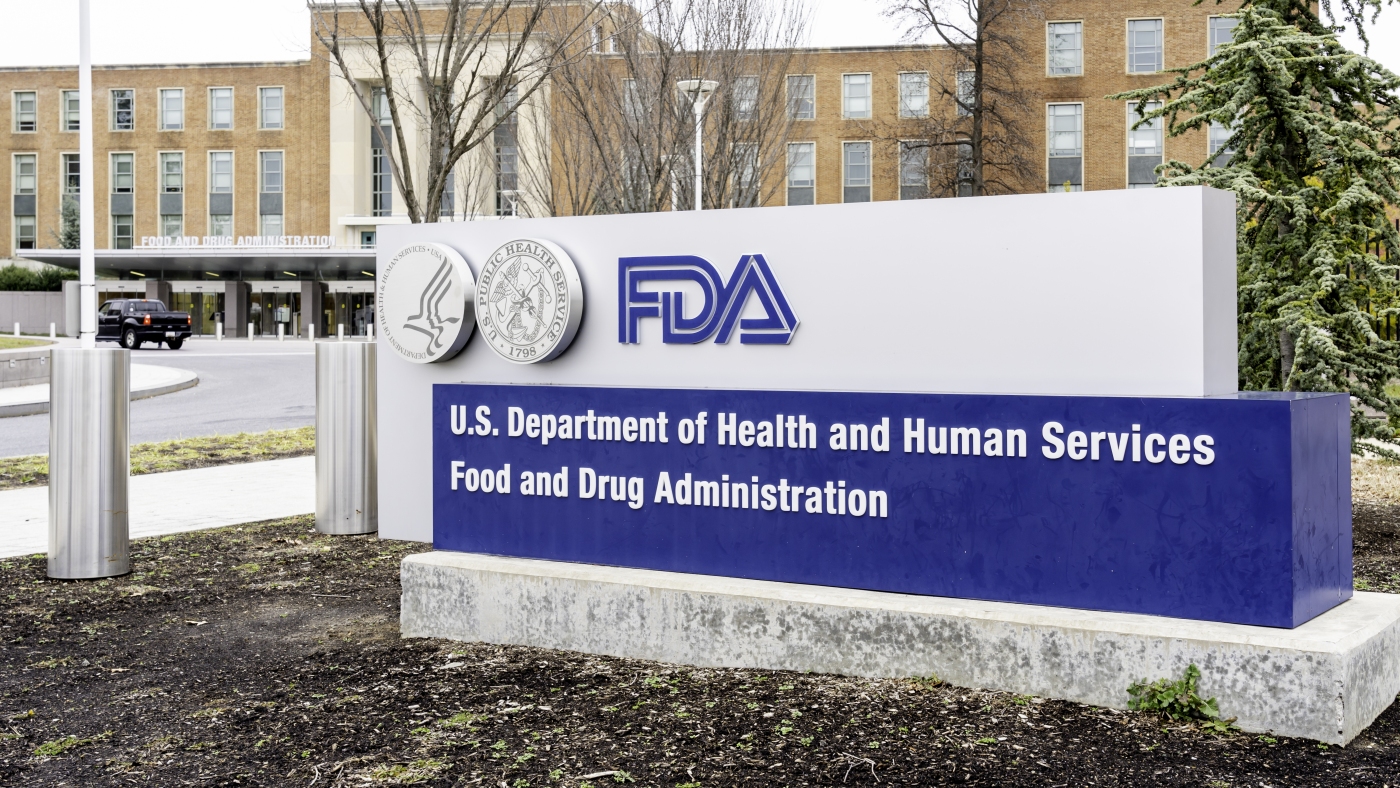
The U.S. Food and Drug Administration (FDA) is poised to implement more rigorous standards for vaccine approvals, a move spurred by heightened scrutiny of COVID-19 vaccines and claims linking them to child fatalities. This shift signals a departure from previous practices, with top officials expressing concerns about existing approval processes.
Increased Scrutiny for Vaccine Approvals
FDA Commissioner Marty Makary, speaking on Fox News, declared that the agency would no longer "rubber-stamp new products that don't work," asserting that such actions had made a "mockery of science." His comments coincided with revelations from an internal email by Dr. Vinay Prasad, the FDA's chief vaccine regulator, detailing imminent changes. These include an overhaul of the annual flu vaccine framework, the mandate for "honest" vaccine labels, and stricter review protocols across the board.
Significantly, the FDA will cease authorizing vaccines for pregnant women without more stringent requirements. For pneumonia vaccines, manufacturers will now be required to demonstrate a reduction in actual disease incidence, rather than merely proving antibody generation. Prasad also questioned the common practice of administering multiple vaccines simultaneously. These reforms could significantly increase the cost and complexity of vaccine development and approval, potentially impacting their availability.
While vaccines are widely regarded as vital tools against infectious diseases, with public health experts generally agreeing that current vetting processes ensure benefits outweigh risks, the FDA's new stance suggests a re-evaluation of this balance. Post-approval surveillance systems, including the Vaccine Adverse Event Reporting System (VAERS), traditionally monitor safety concerns once vaccines are in circulation.
Controversy Surrounding COVID Vaccine-Related Child Deaths
A central impetus for these changes appears to be an internal FDA analysis linking COVID-19 vaccines to the deaths of 10 children during the Biden administration. Makary cited this analysis on Fox News, though specifics on how the FDA reached this conclusion were not immediately provided. Millions of children have received the vaccine, making this claim highly contentious.
According to Prasad's email, the FDA's biostatistics and pharmacovigilance team was tasked with analyzing 96 reported deaths between 2021 and 2024. Their findings reportedly concluded that 10 children died "after and because of" the COVID vaccine, with Prasad suggesting the actual number might be higher.
However, these claims have met with strong skepticism from leading experts. Dr. Paul Offit, director of the Vaccine Education Center at the Children's Hospital of Philadelphia, demanded evidence, stating that Prasad was "asking us to trust him on an important issue" without providing data, which could "scare people unnecessarily." Similarly, Dr. Jesse Goodman, a former FDA vaccine regulator and professor at Georgetown University, defended the agency's existing approval processes, calling the Center for Biologics Evaluation and Research a "gold standard regulator." He highlighted the importance of "immunologic endpoints like antibody levels" for accelerated approvals, which have historically provided timely access to life-saving vaccines.
Epidemiologist Michael Osterholm of the University of Minnesota further challenged Prasad's statements, pointing out "factual mistakes" in his email, including misrepresenting the severity of COVID in children and how the U.S. responded to early signals of possible vaccine-associated pediatric deaths. Osterholm emphasized that the 10 alleged deaths have not been presented for review by the medical community or published, concluding that without expert third-party review, "we can not accept the fact they are vaccine-associated deaths."
Broader Implications and Industry Response
The FDA's VAERS system, co-sponsored by the CDC, collects reports of adverse events, but explicitly cautions that "no cause and effect relationship has been established" for reported events. Prasad's email, however, suggests an assessment scale where "certain, possible/likely, and probable are broadly considered as related to the product."
These developments follow a trend of increased questioning of vaccine safety and effectiveness by health officials aligned with the Trump administration, including Health Secretary Robert F. Kennedy Jr. The FDA had already restricted eligibility for updated COVID vaccines in August, requiring more safety and effectiveness evidence moving forward.
The timing of these FDA policy shifts is critical, preceding a crucial two-day meeting of the CDC's Advisory Committee on Immunization Practices (ACIP) on December 4-5. Public health experts fear ACIP might revise the childhood vaccination schedule, potentially delaying inoculations, spacing them out, or calling for vaccine reformulations. Such changes could lead to reduced vaccination rates and the re-emergence of preventable diseases.
Moderna, whose COVID vaccine is approved for children as young as 6 months, responded by reiterating its September statement, asserting its shot's safety based on multiple peer-reviewed studies. The company monitors its vaccine's safety globally and reports no new or undisclosed safety concerns in children or pregnant women from over a billion doses distributed worldwide. Pfizer did not immediately comment.
This evolving landscape indicates a significant shift in U.S. vaccine policy, with potentially far-reaching consequences for public health and vaccine confidence.