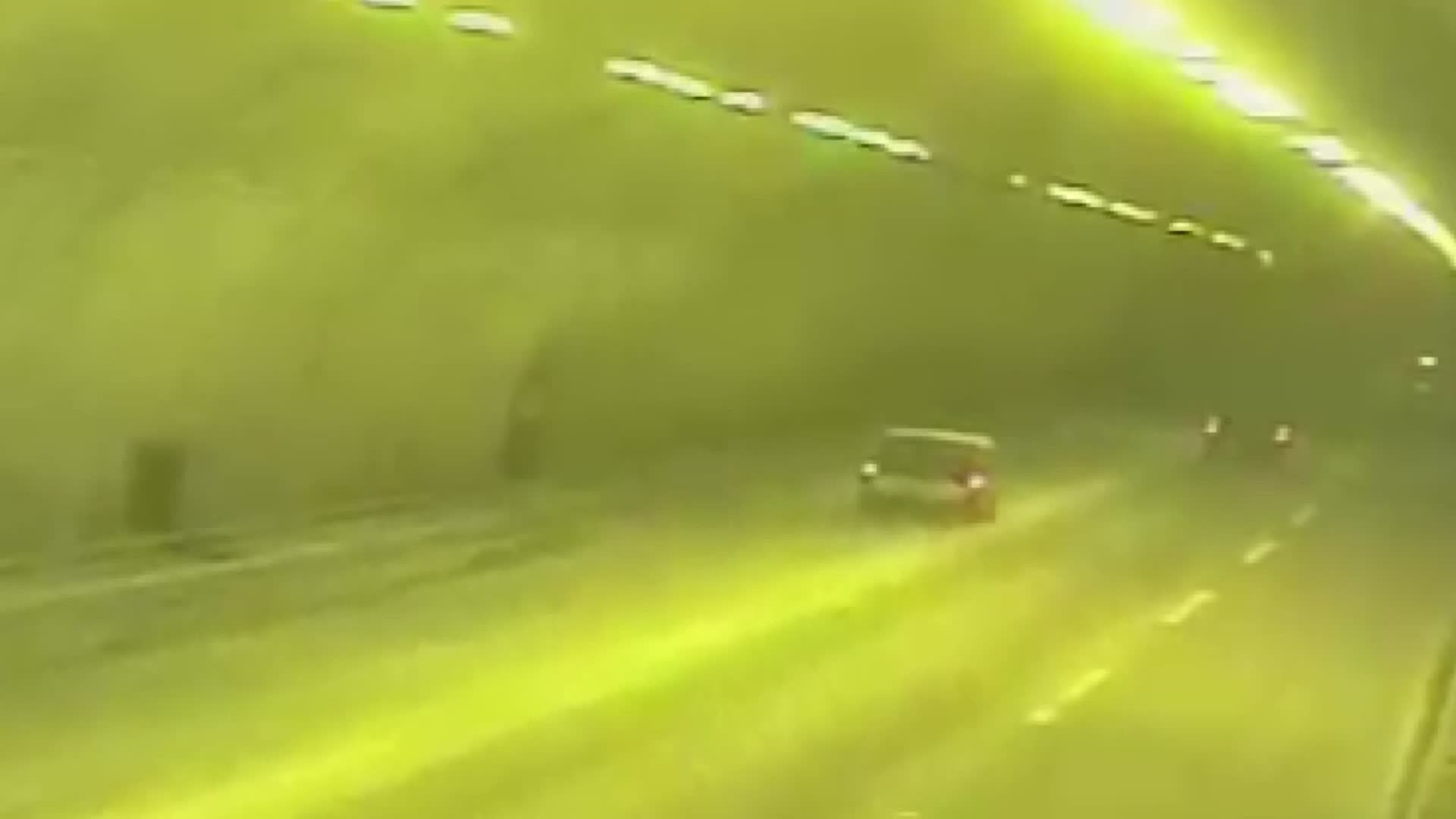
Midwest Crippled by Winter Storm: Over 1,400 Flights Canceled & Massive 45-Car Pileup
The heartland of the United States, often referred to as the Midwest, has been plunged into chaos by a severe winter storm, leading to widespread travel paralysis and dangerous conditions. As heavy snowfall and icy winds swept across several states, the region's transportation infrastructure bore the brunt of the extreme weather.
Air Travel Grinds to a Halt
Air travel has been particularly hard-hit, with a staggering over 1,400 flights canceled across major Midwestern airports. This massive disruption has stranded thousands of passengers, creating a ripple effect of delays and rebookings that could last for days. Airlines are scrambling to re-accommodate travelers and clear backlogs, but the ongoing inclement weather makes swift recovery challenging. Passengers are strongly advised to check their flight status directly with their airline before heading to the airport.
Roads Become Treacherous: 45-Car Pileup Reported
On the ground, roads have become treacherous, with visibility severely reduced and surfaces slick with ice and snow. The perilous conditions culminated in a dramatic 45-car pileup on a major interstate, a stark reminder of the dangers posed by reduced visibility and slick surfaces. Emergency services worked tirelessly at the scene, tending to injuries and clearing the wreckage, while authorities issued urgent warnings, urging residents to avoid non-essential travel and exercise extreme caution if venturing out.
Community Impact and Safety Warnings
Local communities are bracing for continued cold temperatures and potential power outages as the powerful storm system slowly moves eastward. Residents are advised to stay indoors, ensure they have adequate emergency supplies, and follow official weather alerts for their respective areas. The massive scale of flight cancellations and highway accidents underscores the profound impact of this significant winter event on daily life and regional logistics, highlighting the critical need for preparedness and adherence to safety guidelines.