Trump Announces Indefinite Asylum Freeze Following Fatal White House Area Shooting
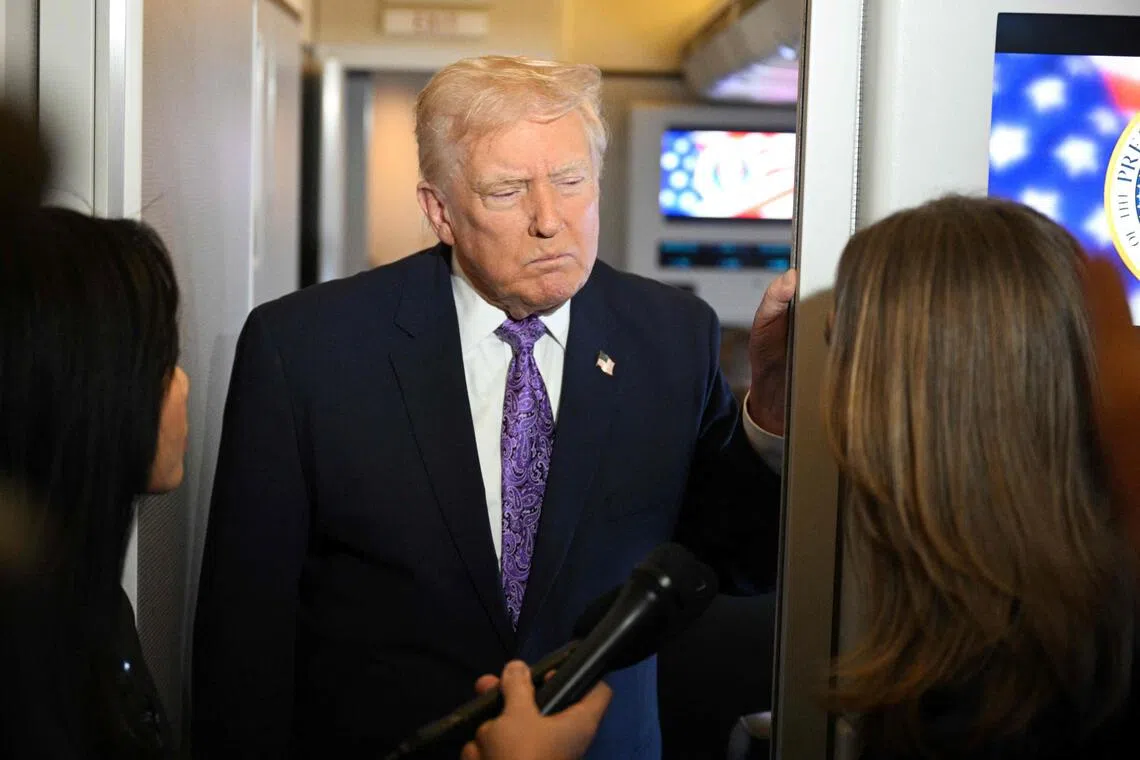
US President Donald Trump has declared his administration's intent to maintain an indefinite pause on asylum decisions, a policy directly linked to a recent fatal shooting incident near the White House. Speaking aboard Air Force One on November 30, 2025, President Trump indicated that there is "no time limit" for this measure, emphasizing a strong stance against admitting individuals deemed undesirable for national security.
The Tragic Incident and Accused
The decision follows a tragic event on November 26 in Washington, D.C., where an Afghan national allegedly shot two National Guard members, resulting in the death of 20-year-old Sarah Beckstrom and critically wounding another. Rahmanullah Lakanwal, 29, has been arrested and charged with first-degree murder in connection with the incident.
Lakanwal's Background and Entry into the US
Investigations revealed Lakanwal's complex background: he was part of a CIA-backed "partner force" in Afghanistan, fighting the Taliban. He subsequently entered the United States as part of a resettlement program following the American military withdrawal in 2021 and was granted asylum in April 2025, ironically under the Trump administration's tenure.
Blame Game and Policy Rationale
However, administration officials have been quick to assign blame for Lakanwal's entry into the US, pointing fingers at what they describe as "lax vetting" procedures implemented by the previous Biden administration during the Afghan airlift. President Trump himself had previously expressed a desire to "permanently pause migration from all Third World Countries" in the wake of the shooting, aiming for a full recovery of the US immigration system.
Impact on Specific Nationalities
The Department of Homeland Security has clarified that this asylum freeze is connected to an existing list of 19 countries already subject to US travel restrictions. This list includes nations such as Afghanistan, Cuba, Haiti, Iran, and Myanmar, all of which have faced such restrictions since June. Trump's candid remarks on the policy highlighted his administration's selective approach to immigration, stating, "We don’t want those people... Because many have been no good, and they shouldn’t be in our country.”