Former British Officer Alleges Widespread SAS War Crimes During Afghanistan Inquiry
Dec 1, 2025
 United Kingdom
Military Justice
United Kingdom
Military Justice
United Kingdom
Military Justice
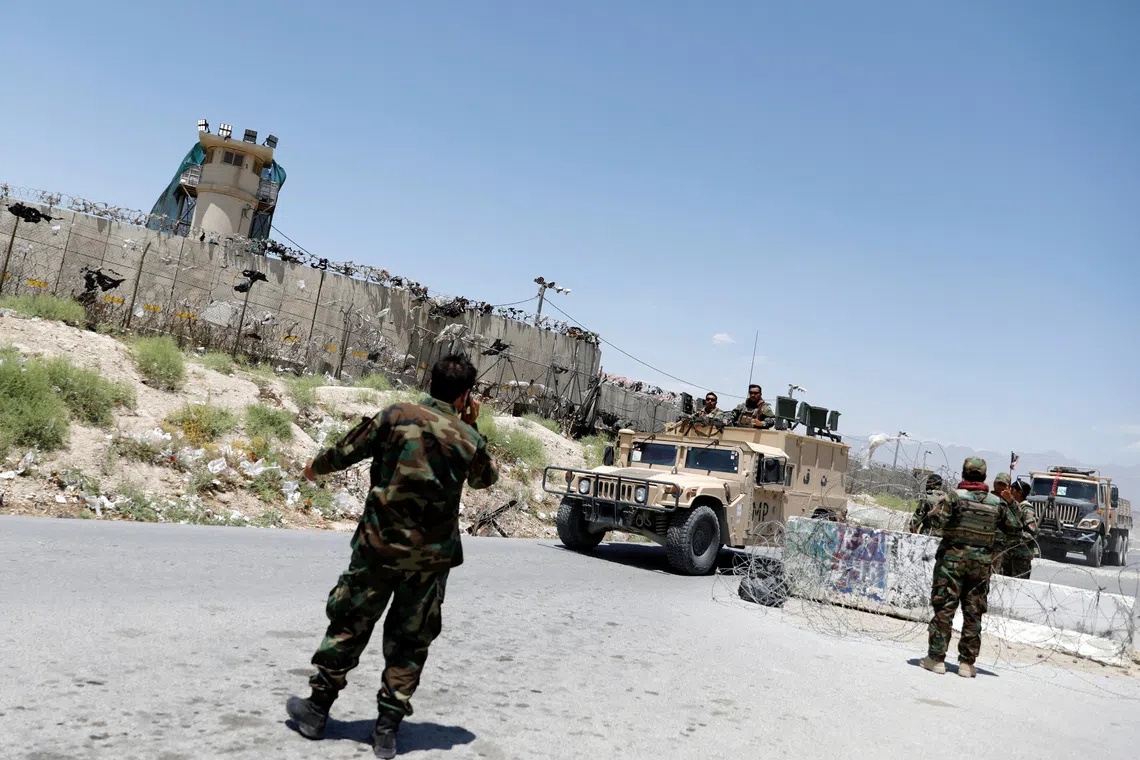
An ex-British officer testified at a public inquiry, alleging British special forces committed war crimes in Afghanistan from 2010-2013, executing suspects desp
Ex-British Officer Alleges SAS War Crimes in Afghanistan Inquiry
A significant public inquiry in London has heard damning testimony from a former senior British officer, who alleged that British special forces committed war crimes in Afghanistan. The officer, identified as N1466, stated that suspects were executed and detainees unlawfully killed during operations between mid-2010 and mid-2013, despite awareness within the chain of command.
The Inquiry's Genesis and Scope
The inquiry was launched by Britain's Ministry of Defence (MoD) following a BBC documentary that highlighted suspicious killings by soldiers from the elite Special Air Service (SAS). Specifically, the investigation is scrutinizing night-time raids conducted by British forces when they were part of a US-led coalition targeting the Taliban and other militant groups. Previous military police probes into misconduct allegations, including against the SAS, reportedly lacked sufficient evidence for prosecution.
Damning Allegations from an Insider
N1466, who served as Assistant Chief of Staff for Operations in the UK Special Forces Headquarters in 2011, presented evidence – initially private but now public – detailing his growing suspicion regarding the high number of detainees killed during activities involving a sub-unit known as UKSF1. His analysis of official raid reports revealed that the count of 'enemies killed in action' (EKIA) often surpassed the number of weapons recovered. Furthermore, repeated claims of detainees attempting to retrieve weapons or use grenades after capture struck him as implausible.
"We are talking about war crimes… taking detainees back on target and executing them with a pretense, the pretense being that they conducted violence against the forces," N1466 explicitly stated to Oliver Glasgow, the lead counsel for the inquiry. He recalled raising these concerns with the Director of Special Forces (known as 1802), but instead of criminal action, only an operational tactic review was ordered.
Regret and Widespread Knowledge
The former officer expressed regret for not having approached military police himself at the time, although he did report his worries in 2015. He conveyed deep distress over what he strongly suspected were unlawful killings, potentially including children. N1466 concluded that these extra-judicial killings were not isolated incidents by a few soldiers but were potentially widespread and known to many within UK Special Forces.
Wider Context and Personal Stance
Other testimonies revealed frustrations among soldiers regarding the release of captured individuals due to the Afghan judicial system's limitations, as well as fierce rivalry between special forces units UKSF1 and UKSF3, to which N1466 belonged. Addressing potential skepticism, N1466 asserted, "we didn't join the UKSF for this sort of behaviour, you know, toddlers to get shot in their beds or random killing. It's not special, it's not elite, it's not what we stand for and most of us I don't believe would either wish to condone it or to cover it up."
The Inquiry's Path Forward
Senior judge Charles Haddon-Cave, chairing the inquiry, emphasized the importance of referring lawbreakers to appropriate authorities while clearing the names of those who acted correctly. The inquiry continues its work to determine if credible information of unlawful killings exists, whether subsequent investigations were proper, and if any cover-ups occurred.
By news
8 months ago