Trump's Controversial Interactions with Female Reporters & Media Scrutiny Intensify Amid BBC Resignations
Dec 1, 2025
 United States
US Politics & Media
United States
US Politics & Media
United States
US Politics & Media
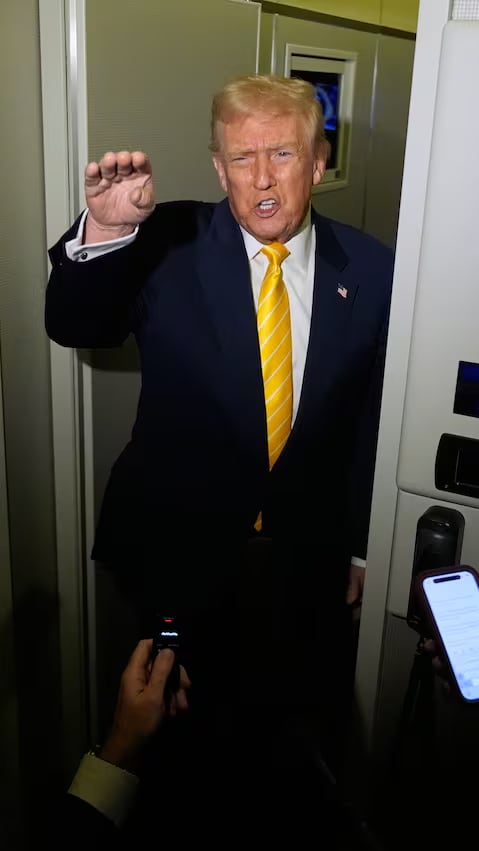
Donald Trump faces scrutiny for berating female reporters as judges grow tired of his officials' social media tactics. The BBC also faced criticism and resignat
Trump's Conduct Towards Female Reporters Under Renewed Scrutiny
Former President Donald Trump's interactions with female journalists have once again drawn sharp criticism, sparking a wider debate about media conduct and press freedom. This recurring pattern of confrontational exchanges has led many to question the breaking point for such behavior and its implications for journalistic integrity.
Judges Express Frustration Over Trump Officials' Media Tactics
Adding to the controversies, the judiciary has reportedly grown increasingly weary of Trump administration officials attempting to try cases not in the courtroom, but through social media and cable news appearances. This trend highlights a broader tension between legal proceedings and public perception, often fueled by rapid, unverified information streams.
BBC Faces Backlash and Leadership Changes Following Trump Speech Edits
Internationally, the British Broadcasting Corporation (BBC) recently found itself embroiled in a significant controversy following erroneous edits to a speech by Donald Trump. This incident escalated dramatically, with Trump threatening legal action against the public broadcaster. The fallout led to the resignations of the BBC's director and head of news amidst heavy criticism. Lawmakers subsequently grilled BBC leaders over their handling of the matter and the editorial standards applied, emphasizing the global impact of media accuracy when reporting on high-profile political figures.
The convergence of these events — Trump's direct confrontations with reporters, the judiciary's pushback against media-driven legal tactics, and the BBC's internal crisis over its coverage — collectively underscore a turbulent period for journalism and the complex relationship between political power and the press.
By news
8 months ago